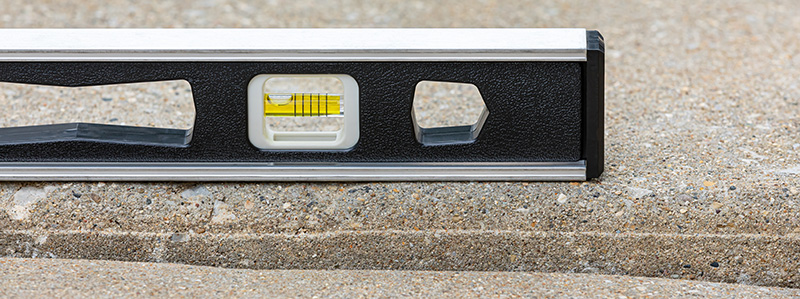
Out with the cracked and heaved, in with a slab that holds.
Every driveway reaches a point where patching costs more than it saves. When the joints have heaved into ledges, cracks have spread across the whole field, or the slab is sinking toward the garage, you are paying every spring to chase damage that keeps moving. Driveway replacement and removal is the clean break: we tear out the failed concrete, haul it off, fix what went wrong underneath, and pour a new slab engineered for the soil on your property. Done right, a fresh pour costs less over its life than another decade of repairs.
On the Front Range, most failed driveways died for reasons you cannot see from the surface. A thin or skipped base, no reinforcement, and joints cut too late or too shallow let expansive clay and the freeze-thaw cycle do their work. Replacing the slab without correcting those is how you end up with the same cracks in a few years. We treat the demolition, the base, and the pour as one job, because the part you stand on is only as good as the part you do not.
Concrete repair has a real place, and we do plenty of it. But there is a line. Crack filler and partial patches hold a slab together when the structure underneath is still sound. Once the base has failed, the joints have heaved, or cracking runs the full field, you are sealing symptoms while the cause keeps working. Each spring thaw opens the damage a little wider, and each repair buys less time than the last. We will tell you honestly where your driveway sits on that line. If a repair still makes sense, we say so. When the math has flipped and you are spending good money holding a failed slab together, replacement is the better value, and we lay out exactly why.
Removal is half the job and it sets up everything after. We break out the old driveway in full, including the sections people often try to leave in place, because a sound new slab does not bond to a failing old one. The broken concrete gets loaded and hauled off, not piled in your yard for weeks. We protect what stays, like your garage apron, walkways, foundation, and landscaping edges, and keep the work area controlled so your driveway does not become a hazard while it is open. When the old slab is gone, we have clean access to the base, which is where the real diagnosis happens and where the next driveway is either saved or doomed.
This is the honest question, and it deserves a straight answer. A new pour can crack again if it is poured the same lazy way the old one was. It will not crack the same way if the cause is fixed. That is the whole point of replacing instead of patching. With the slab out, we correct or rebuild the base, compact it properly, and address the drainage that was feeding water under the concrete. We reinforce the new pour, cut control joints at the right spacing and depth so the slab cracks where we tell it to instead of randomly, use an air-entrained mix built for freeze-thaw, and cure it for real. No concrete is promised to never show a hairline. But a driveway built on a corrected base, reinforced, jointed, and cured stays flat, stays level, and stays sound through Colorado winters in a way a thin slab on bad dirt never could.
The reason your old driveway failed is almost always under it, not on it. Expansive clay swells when it takes on water and shrinks when it dries, and that movement lifts and drops a slab that was not built to ride it. Water pooling against the concrete or running under it makes the swing worse and feeds the freeze-thaw damage that scales and cracks the surface. When the old slab is out, we regrade and recompact the base, repair soft or washed-out areas, and build in drainage so water sheds away from the slab and the garage instead of collecting under them. Getting the dirt and the slope right is the unglamorous work that decides whether your new driveway lasts a decade or a couple of seasons.
From homes to commercial sites across the Front Range, here is where driveway replacement & removal earns its place.
Replacement makes sense when slab sections have lifted at the joints into ledges that catch tires and feet.
When cracks have spread across the whole driveway rather than staying in one spot, the slab is past patching.
A driveway settling toward the garage drains water at the house and signals base failure that a new pour corrects.
Flaking and pitting from freeze-thaw and road salt means the concrete is breaking down from the surface in.
If you patch the same driveway every spring, the running cost of repairs has likely passed the cost of replacing it.
A cracked, stained driveway is the first thing visitors and buyers see, and a fresh slab resets the look of the whole front.
Concrete behaves differently at altitude. Our expansive clay soils swell with moisture and shrink when they dry, and the freeze and thaw cycle works on any surface that takes on water. Every driveway replacement & removal project we pour accounts for both, from base preparation and drainage to air-entrained mixes, proper reinforcement, and control joints cut on time. That is how the work holds its shape and finish through Colorado winters instead of failing by spring.
You also get a written estimate before anything starts, a structural engineer on staff for the jobs that need one, and a crew that pulls and manages permits when the project calls for them. Licensed, bonded, and insured, with finishes that range from a clean broom texture to stamped, colored, and sealed.
A flatwork quote comes down to a few things working together, and the cheapest bid almost always skips one of them. Here is what actually shapes a Driveway Replacement project.
Keeping water out of the surface is everything here. A reseal every few years, snow cleared before it melts and refreezes, and a quick rinse of de-icing salt off the slab will add years to your driveway replacement & removal. Avoid rock salt and harsh ice melt, which accelerate surface scaling at altitude. And whatever the project, the same rule applies across the Front Range: keep water from sitting on or soaking into the surface, and the concrete will reward you with decades of service.
You always know what is happening and what it costs before we mix a single yard. Here is the path from first call to final walkthrough.
We visit the site, measure, check drainage and soil, and hand you a clear written quote. No charge, no pressure.
We set the grade, thickness, reinforcement, and finish. Structural work gets engineered and permitted.
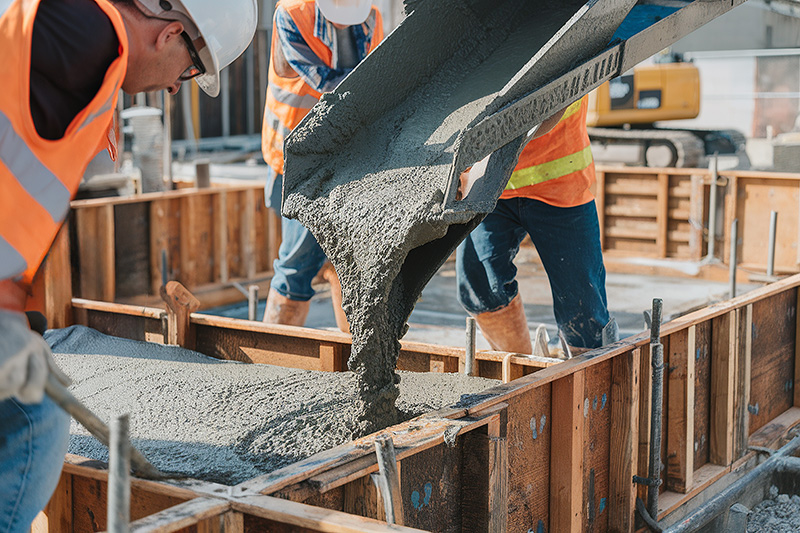
Forms, rebar, and a clean pour. We screed, float, and finish to the texture you picked, then cut control joints.
You can walk it in 24 to 48 hours. We walk the job with you and explain how to care for it through the first winter.
Still unsure about something?
Call the crew at (303) 569-4046 and we will talk it through.
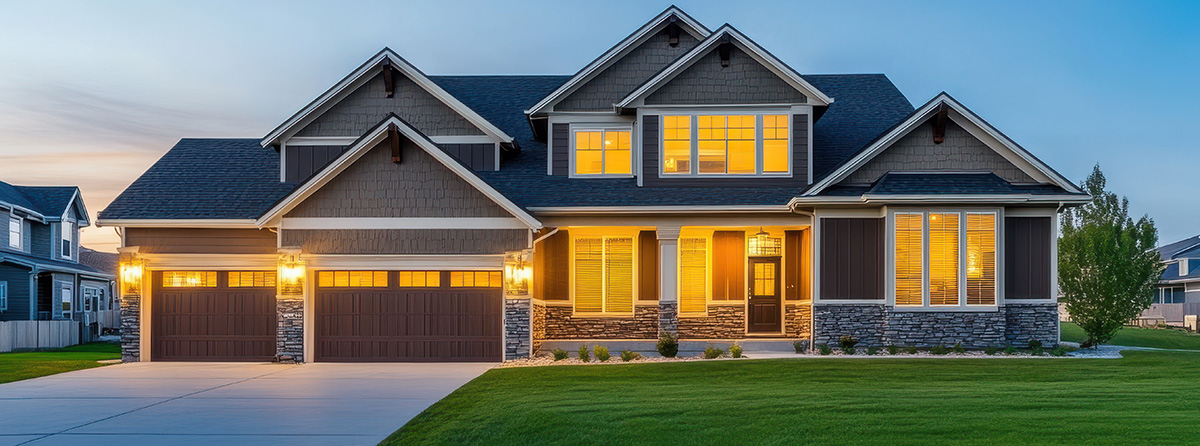
Get a free, no-obligation estimate from a crew that knows Colorado soil, Colorado weather, and how to finish concrete that lasts.
Accessibility
Adjust the site to fit how you read and browse. Your choices are saved on this device.