Restore integrity without a full tear-out.
A cracked or pitted slab does not always mean it is time for a tear-out. Plenty of concrete around the Front Range is still structurally sound under the surface, with a base that is fine and steel that is doing its job. The problem is on top: a crack working its way across the field, an edge that has spalled and flaked, or a section that has lifted just enough to catch a toe or a snow shovel. When the bones are good, repair restores the slab to safe and solid for a fraction of what new concrete costs.
The catch is that not every repair is worth doing. A surface crack from normal shrinkage is one thing. A crack that keeps widening because the soil under the slab is moving is another, and patching that one just hides the real problem until next spring. We look at the slab, figure out what is actually driving the damage, and tell you straight whether a repair will hold or whether replacement is the smarter spend. That honest read is the whole point of calling us first.
A crack is information. The width, the direction, whether the two sides sit level or one has dropped, all of it tells us why the slab failed. Hairline shrinkage cracks that show up in the first year are cosmetic and seal up clean. A crack that runs corner to corner, opens wider at one end, or has a lip where one side sank is telling you the ground moved. On our expansive clay, that movement is usually water getting under the slab and swelling the soil, then drying and shrinking it back. We trace the cause first. Sealing a moving crack without fixing the drainage or the void underneath just buys you a few months before it reappears in the same line.
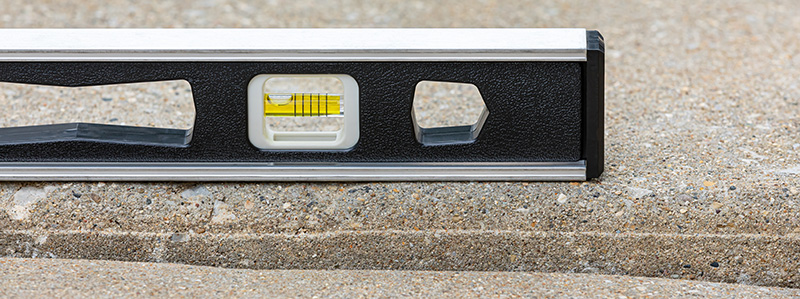
Once we know a slab is worth saving, the repairs themselves are straightforward. Active cracks get routed out to a clean channel and filled with a flexible polyurethane or epoxy that moves with the concrete instead of popping back out the first cold snap. Spalled and flaked surfaces, the kind road salt and freeze-thaw chew into driveways and steps, get cut back to sound material and rebuilt with a bonding repair mortar. Raised edges and lifted joints that snag feet come down to a safe transition, either by grinding the lip or lifting the low side. The goal every time is a surface that is safe to walk, sheds water, and does not keep eating at itself through the next winter.
This is the question worth asking, and the honest answer is: it depends on what caused it. If a crack came from normal shrinkage or a one-time event and the slab is otherwise stable, a proper rout-and-seal repair holds for years. If the crack is the symptom of soil that keeps swelling and shrinking under the slab, then filling it alone will not last, and we will tell you that up front. In those cases the fix is the cause, correcting drainage so water stops collecting under the concrete, filling the void if the slab has lost support, and only then sealing the crack. We would rather quote you the repair that actually lasts than the cheap one that sends you back outside next March with the same line opened up.
Repair is not always the right call, and we will say so. If a slab is spider-cracked across the whole field, has multiple sections that have heaved or sunk, or has crumbled deep enough that there is no sound concrete left to bond to, you are throwing money at a surface that is going to keep failing. At that point a partial slab replacement or a full tear-out and fresh pour costs less over the life of the concrete than chasing repairs every season. We give you the repair-versus-replace read as part of a free estimate, with the reasoning behind it, so you are deciding with the same information we have, not just taking our word for it.
From homes to commercial sites across the Front Range, here is where concrete & crack repair earns its place.
Sealing cracks and rebuilding spalled, salt-damaged surfaces so a sound driveway gets more years before it ever needs replacing.
Routing and sealing cracks and grinding down raised edges that have become trip hazards along front walks and paths.
Repairing chipped treads, broken corners, and spalled risers where freeze-thaw and foot traffic do the most damage.
Filling field cracks and renewing flaked surfaces on patios that are structurally fine but looking rough.
Patching cracks, pitting, and pop-outs so a slab is ready for an epoxy or polyaspartic coating.
Trip-hazard correction and crack sealing on walks and pads where safety and appearance both matter.
Concrete behaves differently at altitude. Our expansive clay soils swell with moisture and shrink when they dry, and the freeze and thaw cycle works on any surface that takes on water. Every concrete & crack repair project we pour accounts for both, from base preparation and drainage to air-entrained mixes, proper reinforcement, and control joints cut on time. That is how the work holds its shape and finish through Colorado winters instead of failing by spring.
You also get a written estimate before anything starts, a structural engineer on staff for the jobs that need one, and a crew that pulls and manages permits when the project calls for them. Licensed, bonded, and insured, with finishes that range from a clean broom texture to stamped, colored, and sealed.
A good repair starts with an honest read of what failed and why. Here is what shapes a Concrete Repair project.
After a concrete & crack repair, the best protection is keeping water managed around the slab so the problem does not return. Reseal repaired surfaces, keep drainage flowing away, and address new cracks early before they spread. And whatever the project, the same rule applies across the Front Range: keep water from sitting on or soaking into the surface, and the concrete will reward you with decades of service.
You always know what is happening and what it costs before we mix a single yard. Here is the path from first call to final walkthrough.
We visit the site, measure, check drainage and soil, and hand you a clear written quote. No charge, no pressure.
We set the grade, thickness, reinforcement, and finish. Structural work gets engineered and permitted.
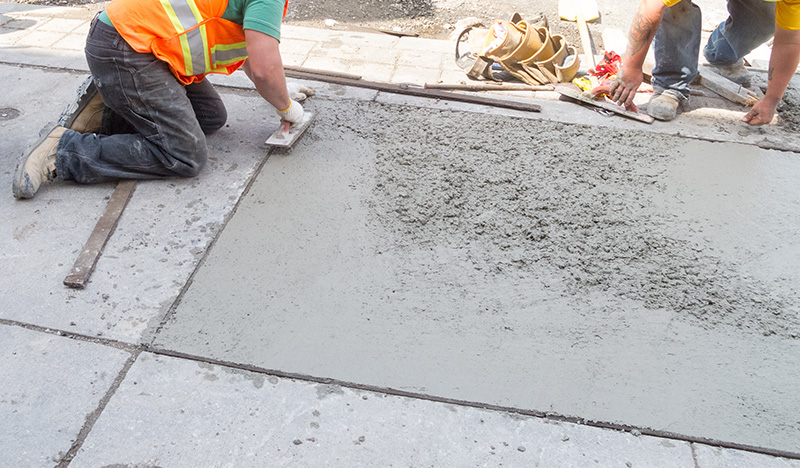
Forms, rebar, and a clean pour. We screed, float, and finish to the texture you picked, then cut control joints.
You can walk it in 24 to 48 hours. We walk the job with you and explain how to care for it through the first winter.
Still unsure about something?
Call the crew at (303) 569-4046 and we will talk it through.

Get a free, no-obligation estimate from a crew that knows Colorado soil, Colorado weather, and how to finish concrete that lasts.
Accessibility
Adjust the site to fit how you read and browse. Your choices are saved on this device.