A dead-level, reinforced base rated for a filled spa.
A hot tub looks like patio furniture until you fill it. A mid-size spa holding water, plus three or four people in it, can run to several thousand pounds sitting on a footprint not much bigger than a kitchen table. That load is concentrated, constant, and unforgiving. Set the tub on pavers, a deck, or a thin slab that was never meant for it, and the base starts to settle unevenly. Once it tilts, the shell stops draining right, the door gaps, and the cabinet racks.
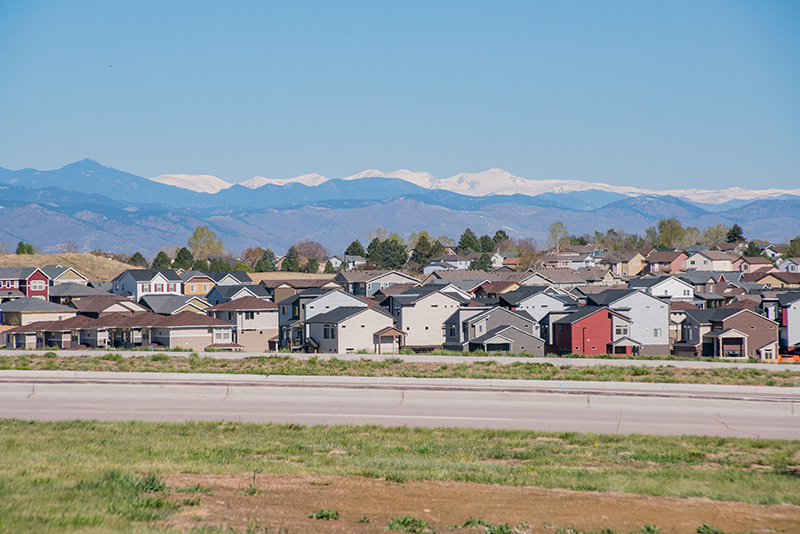
On the Front Range the problem is sharper. Our expansive clay swells when it gets wet and shrinks when it dries, so a base that is not prepped and reinforced will move with the seasons. A spa that overflows and drips makes the soil under it even wetter than the yard around it. We pour reinforced hot tub and spa pads sized and leveled for the exact tub you are putting on them, built on a compacted base with drainage planned in, so the spa sits dead level and stays that way.
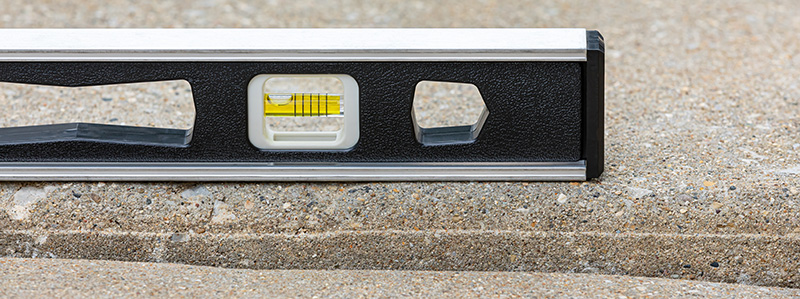
Every spa has a footprint, a filled weight, and a drain location specific to that model. We build the pad to those numbers, not to a guess. That means confirming the tub's dimensions before we form, adding a few inches of margin past the cabinet so you have a clean edge to stand on, and setting the slab dead level so the shell drains the way the manufacturer intended. A pad that is off by even a quarter inch over its length will show up as a door that will not latch or water that pools at one corner. We screed and check for level as the concrete goes down, then again before it sets, so the surface the spa lands on is flat and true from the day it is poured.
This is the honest worry with any spa pad, and it is the right one to ask. A filled, occupied hot tub is a heavy point load that never moves off the slab, so if anything underneath is going to give, it gives here. The failure almost never starts in the concrete. It starts in what is under it. We dig out the soft material, compact a stone base in lifts so it carries the weight evenly, and reinforce the slab with rebar or mesh so the load spreads instead of concentrating. We also pour the pad thick enough for the tub you named, not for a generic patio. On expansive clay we pay extra attention to keeping water away from the base, because saturated clay is what heaves and tilts a pad. Do all of that and the spa sits level the day you fill it and stays level for years.
Spas overflow. People climb out dripping, the cover sheds rain and snowmelt, and water finds the low spots. If that water sits against the pad or soaks into the soil beneath it, you get the exact freeze-thaw and clay movement that wrecks a base. We pitch the pad with a slight slope so water runs off and away from the house and the spa equipment instead of pooling under the cabinet. Where it makes sense we tie in a drain or a gravel apron to carry runoff clear of the slab. The surround gets a non-slick broom or textured finish so it is safe to walk on wet, in bare feet, when there is frost on the ground. Keeping water moving is what keeps the pad from lifting through a Colorado winter.
A spa needs power, and many need a dedicated circuit run to a disconnect near the tub. The cleanest time to handle that is before the concrete is poured, while we can sleeve conduit through the slab or set it where the cabinet will hide it instead of cutting and patching later. We coordinate the equipment side so the pad accounts for where the spa pack, the disconnect, and any future access panel need to sit. We can also pour a surround or apron in the same job, giving you a finished edge to step onto and a place for a cover lifter or steps. Planning the buried work up front means no jackhammering a fresh pad to chase a wire you forgot.
From homes to commercial sites across the Front Range, here is where hot tub & spa pads earns its place.
A reinforced, level pad for a standard family spa set on the patio or in the yard.
Larger, heavier swim spas put even more concentrated load on the slab and need a pad engineered for it.
A pad poured to match or tie into an existing patio so the spa reads as part of the outdoor space.
A solid, drained base for tubs set lower than grade, where water management matters most.
A small, dead-level pad for a cold plunge or tub that has to drain clean and sit stable.
A fresh, properly built pad when an old slab has cracked, sunk, or tilted under a previous tub.
Concrete behaves differently at altitude. Our expansive clay soils swell with moisture and shrink when they dry, and the freeze and thaw cycle works on any surface that takes on water. Every hot tub & spa pads project we pour accounts for both, from base preparation and drainage to air-entrained mixes, proper reinforcement, and control joints cut on time. That is how the work holds its shape and finish through Colorado winters instead of failing by spring.
You also get a written estimate before anything starts, a structural engineer on staff for the jobs that need one, and a crew that pulls and manages permits when the project calls for them. Licensed, bonded, and insured, with finishes that range from a clean broom texture to stamped, colored, and sealed.
A flatwork quote comes down to a few things working together, and the cheapest bid almost always skips one of them. Here is what actually shapes a Hot Tub Pads project.
Keeping water out of the surface is everything here. A reseal every few years, snow cleared before it melts and refreezes, and a quick rinse of de-icing salt off the slab will add years to your hot tub & spa pads. Avoid rock salt and harsh ice melt, which accelerate surface scaling at altitude. And whatever the project, the same rule applies across the Front Range: keep water from sitting on or soaking into the surface, and the concrete will reward you with decades of service.
You always know what is happening and what it costs before we mix a single yard. Here is the path from first call to final walkthrough.
We visit the site, measure, check drainage and soil, and hand you a clear written quote. No charge, no pressure.
We set the grade, thickness, reinforcement, and finish. Structural work gets engineered and permitted.
Forms, rebar, and a clean pour. We screed, float, and finish to the texture you picked, then cut control joints.
You can walk it in 24 to 48 hours. We walk the job with you and explain how to care for it through the first winter.
Still unsure about something?
Call the crew at (303) 569-4046 and we will talk it through.
Get a free, no-obligation estimate from a crew that knows Colorado soil, Colorado weather, and how to finish concrete that lasts.
Accessibility
Adjust the site to fit how you read and browse. Your choices are saved on this device.