Lift sunken slabs back to level for less than replacing.
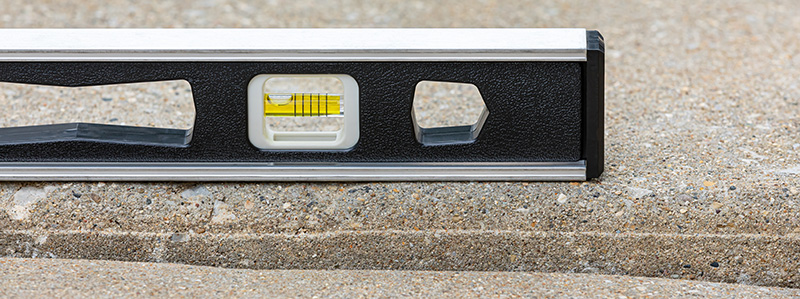
Concrete sinks for one reason: the dirt under it moved. On the Front Range that happens a lot. Expansive clay swells when it gets wet and shrinks when it dries, water carves channels under a slab, and the soil that was supposed to hold your driveway up just is not there anymore. The slab itself is usually fine. It is the support that failed. Mudjacking, also called slab jacking, lifts that sunken concrete back to where it belongs by pumping material into the empty space underneath until the slab rises to level.
For a homeowner or a business, the appeal is simple. A sunken section of driveway, walkway, or patio is a trip hazard and it sends water toward your foundation instead of away from it. Tearing it out and pouring new concrete is expensive and slow. If the slab is structurally sound, lifting it costs a fraction of replacement, fills the voids that caused the problem, and corrects the drainage at the same time. You keep the concrete you already paid for.
We drill a grid of small holes through the sunken slab, usually a couple of inches across, then pump a flowable cement-based slurry down through them under pressure. The material spreads across the bottom of the slab, fills every void it finds, and once those gaps are packed it starts pushing the concrete upward. We watch the surface and feed material slowly, raising the slab in small increments until it sits level with the sections around it. When the lift is right, we plug the holes with concrete and clean up. The slurry does double duty here. It puts the slab back where it should be and it fills the empty space that let it drop in the first place, so the soil is no longer the only thing carrying the load.
This is the fair question, and you deserve a straight answer. Mudjacking lifts the slab and fills the void, but it does not change the soil underneath or fix what made the ground move. If the real cause is a downspout dumping water against the slab, a bad grade funneling runoff under it, or clay that keeps swelling and shrinking, the slab can settle again. So we look at the why before we lift. We check drainage, look for the water source, and correct what we can. When the cause is a one-time washout or settled fill, a lift holds for a long time. When the cause is ongoing water, we tell you what has to change with grading or downspouts so the repair lasts. We would rather fix it once than lift the same slab twice.
Mudjacking is the right call when the concrete is sound and the problem is elevation. A driveway panel that dropped an inch, a walkway section that heaved at a joint, a patio that tilts toward the house: those are good candidates because the slab is still strong and just needs to come back up. It is the wrong call when the slab itself is failing. If it is broken into several pieces, spider-cracked across the whole field, crumbling at the surface, or thin and underbuilt, lifting a weak slab just gives you a level weak slab. We will tell you honestly when a section is worth saving and when replacement is the better value. No upsell, no pressure to lift something that should come out.
One of the real advantages of slab jacking is how little it disrupts your day. There is no demolition, no haul-off, no torn-up yard, and no waiting weeks for new concrete to cure to full strength. We drill, pump, level, and patch, and most residential jobs wrap up in a single visit. The holes get filled and the slab is ready for foot traffic quickly, and back to normal use shortly after. For a business, that means a sunken sidewalk or entry pad gets fixed without closing access for days. You are not routing customers around caution tape for a week. The lift happens, the surface goes back to level, and people walk on it.
From homes to commercial sites across the Front Range, here is where mudjacking & slab jacking earns its place.
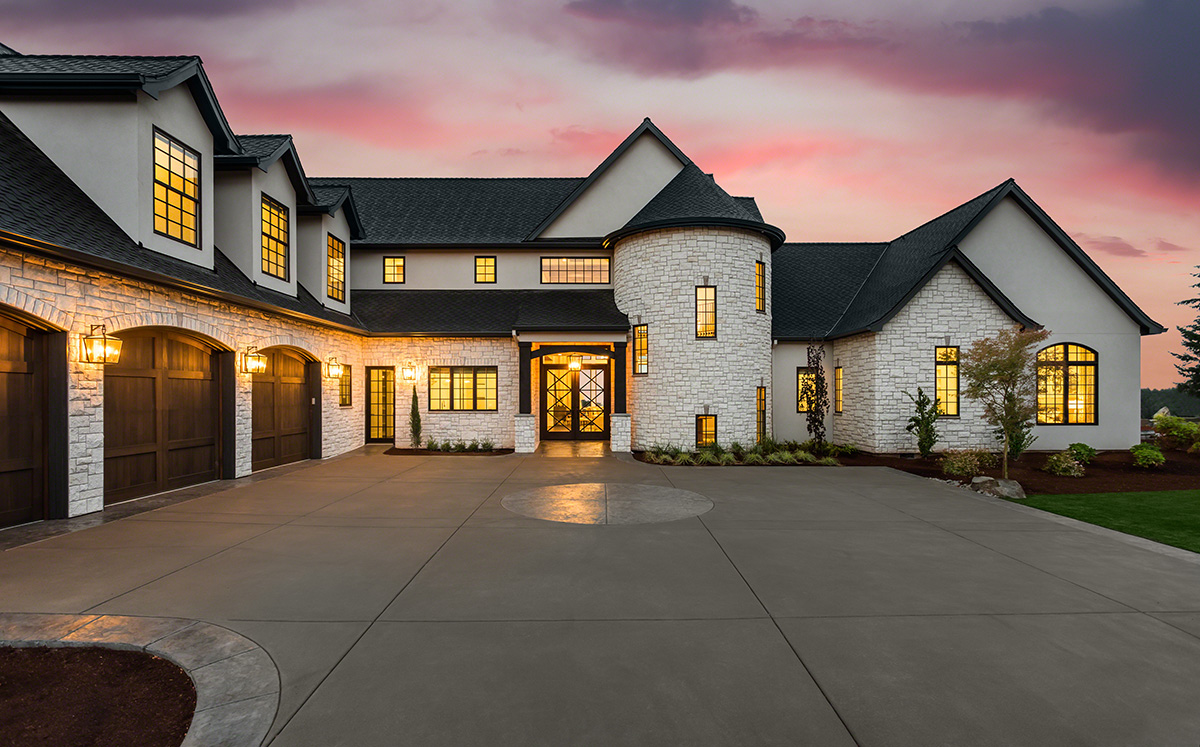
Lift sunken driveway panels back to level so cars stop scraping and water drains away from the garage.
Raise heaved or dropped walkway sections that have become trip hazards along the front of a home or business.
Correct a patio that has tilted toward the house and is sending rain back at the foundation.
Lift a settled interior slab section without ripping out the floor or shutting down the space.
Bring sunken deck slabs and stoop pads back up so the surface around the water sits flat and safe.
Pack the empty space under a slab to stop further settling, even when only a small lift is needed.
Concrete behaves differently at altitude. Our expansive clay soils swell with moisture and shrink when they dry, and the freeze and thaw cycle works on any surface that takes on water. Every mudjacking & slab jacking project we pour accounts for both, from base preparation and drainage to air-entrained mixes, proper reinforcement, and control joints cut on time. That is how the work holds its shape and finish through Colorado winters instead of failing by spring.
You also get a written estimate before anything starts, a structural engineer on staff for the jobs that need one, and a crew that pulls and manages permits when the project calls for them. Licensed, bonded, and insured, with finishes that range from a clean broom texture to stamped, colored, and sealed.
A good repair starts with an honest read of what failed and why. Here is what shapes a Mudjacking project.
After a mudjacking & slab jacking, the best protection is keeping water managed around the slab so the problem does not return. Reseal repaired surfaces, keep drainage flowing away, and address new cracks early before they spread. And whatever the project, the same rule applies across the Front Range: keep water from sitting on or soaking into the surface, and the concrete will reward you with decades of service.
You always know what is happening and what it costs before we mix a single yard. Here is the path from first call to final walkthrough.
We visit the site, measure, check drainage and soil, and hand you a clear written quote. No charge, no pressure.
We set the grade, thickness, reinforcement, and finish. Structural work gets engineered and permitted.
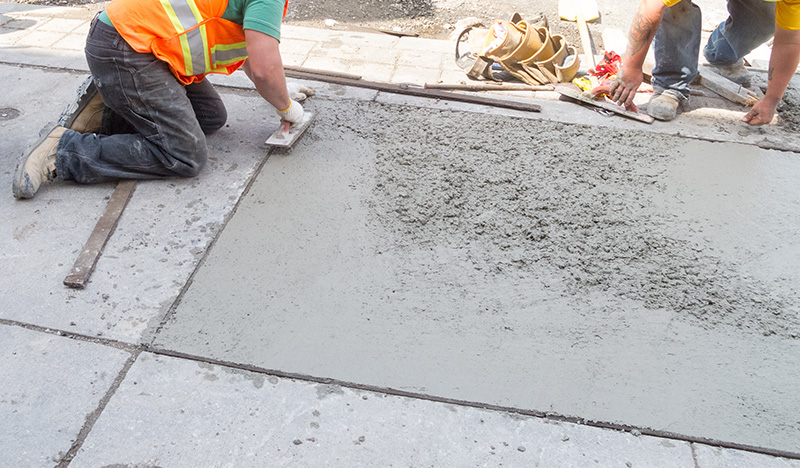
Forms, rebar, and a clean pour. We screed, float, and finish to the texture you picked, then cut control joints.
You can walk it in 24 to 48 hours. We walk the job with you and explain how to care for it through the first winter.
Still unsure about something?
Call the crew at (303) 569-4046 and we will talk it through.

Get a free, no-obligation estimate from a crew that knows Colorado soil, Colorado weather, and how to finish concrete that lasts.
Accessibility
Adjust the site to fit how you read and browse. Your choices are saved on this device.