
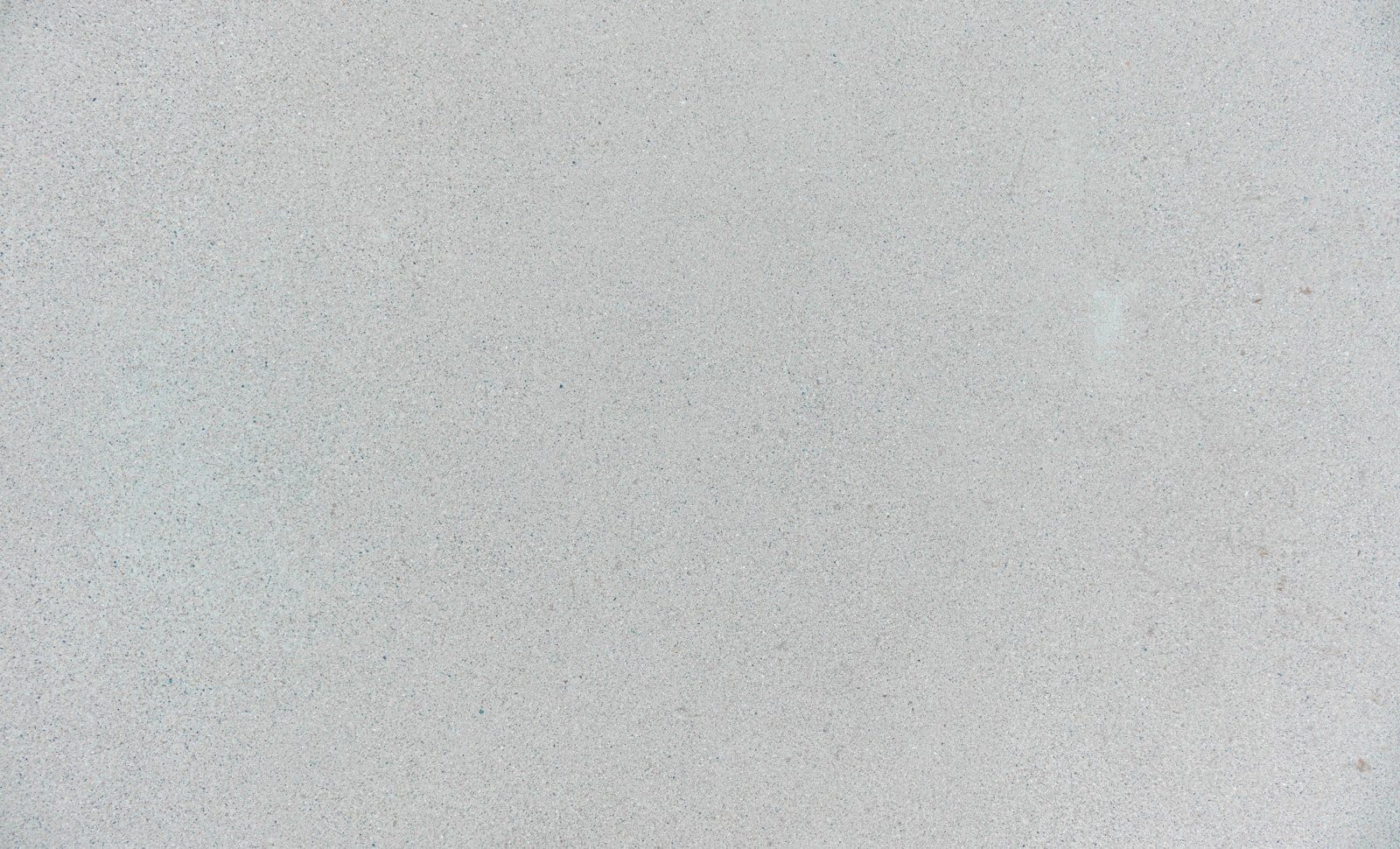
Flat in one plane, jointed so the ball never finds a seam, and dry by mid-morning in January.
Second Saturday in December, fifty-two degrees, sun so bright you squint. Whatever fell on Tuesday burned off by nine. That afternoon is the whole argument for a poured court up here, because the Front Range hands out dozens of days like it between November and March, and a slab that sheds water and dries fast is playable on almost all of them.
A court that puddles is playable on none of them. That's really the difference between a rectangle of concrete and a basketball court: where the water goes, how flat the surface reads, and whether the joints fall where a dribble crosses them. We build the second thing. Kids in Castle Pines North and out through Lagae Ranch have played on enough sloped driveways to know the difference immediately.
Those two words get used interchangeably and they're opposites here. Level means water sits on it. What a court needs is a surface with no dips or waves anywhere, tipped very gently in a single direction so rain and snowmelt run off in one sheet. About one percent is the number we build to. Enough to drain, little enough that nobody playing on it can feel the tilt.
Crowning is the mistake we get called to fix. Somebody pours a court like a road, high in the middle, falling to both sides, and now half your shots come off a ridge and the ball breaks sideways on a hard dribble. One plane. Pick the low side based on where the water should end up, which on these hillside lots usually means downhill and away from anything you care about, and hold it dead flat everywhere else.
Getting there is screeding discipline. Wet screeds set to grade, a straightedge working across them, and someone checking with a laser while the concrete is still workable. Fix a low spot at that moment and it costs nothing. Find it after the pour and you're grinding.
Concrete gets control joints. That isn't negotiable; a slab this size will crack, and the joints decide where. What we control is the layout. We plan the grid before the pour and align it with the court's own geometry so the cuts land on or beside painted lines rather than through the top of the key or across the free-throw lane where the ball spends its life. Then we fill them with a flexible sealant so a hard dribble doesn't catch a lip.
The hoop is its own structure. Its footing goes below frost depth, sized for the pole and the wind load a backboard catches, and we isolate it from the court slab with a joint so the two never fight each other. Anchor bolts get set to the manufacturer's template while the concrete is fresh, checked for square, checked again.
Surface texture is a balance. Too smooth and it's slick when damp. Too coarse and it eats knees and scuffs the ball. We use a light broom or a burlap drag, then talk with you about whether an acrylic sport coating goes on later. Coatings add color, line work, and a bit of cushion. They also need recoating on a cycle at this altitude, so it's a choice, not a default.
Send dimensions or a rough sketch. We'll lay out the biggest court your grade and setbacks allow.
| Setup | Rough footprint | Who it suits |
|---|---|---|
| Shooting pad | 20 by 24 feet | Driveway-adjacent hoop, free throws and one-on-one. The easiest fit on a tight or steep lot. |
| Small half court | 30 by 30 feet | Most popular backyard size. Real three-point range on the wings, room for a two-on-two game. |
| Full half court | 42 by 50 feet | A true half of a regulation floor, arc and key at proper dimensions. Needs real flat ground or retaining. |
| Full court | 84 by 50 feet | High school layout. Rare on a residential lot here without significant grading and a wall. |
| Multi-sport | 30 by 60 feet | Basketball plus pickleball or a hitting area, with two sets of lines and often a modular tile surface on top. |
Ask a kid to test a court and they'll dribble hard across every seam within a minute. That's the real inspection. If the ball comes back true everywhere, the joint layout was drawn before the pour instead of after.What our crew lead tells homeowners
Still unsure about something?
Call the crew at (303) 569-4046 and we will talk it through.
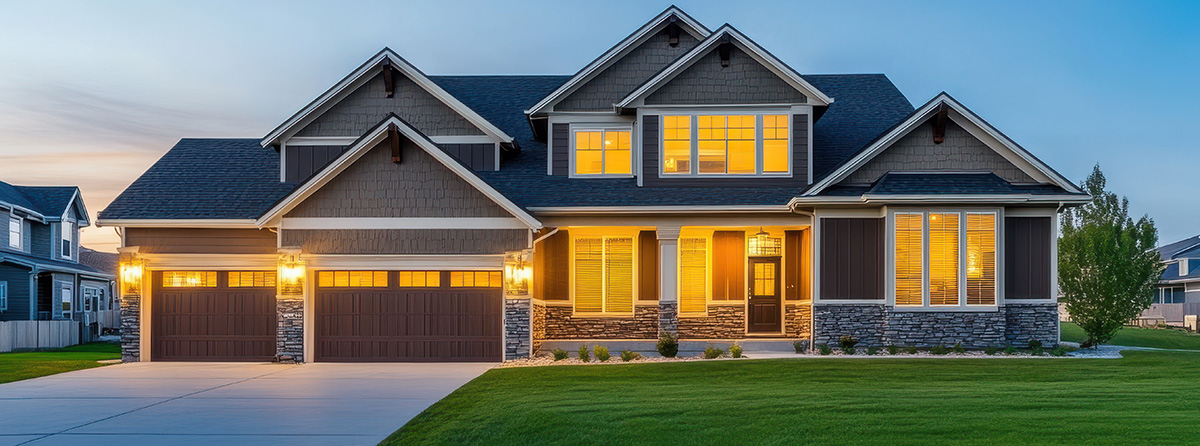
Get a free, no-obligation estimate from a crew that knows Colorado soil, Colorado weather, and how to finish concrete that lasts.
Accessibility
Adjust the site to fit how you read and browse. Your choices are saved on this device.