
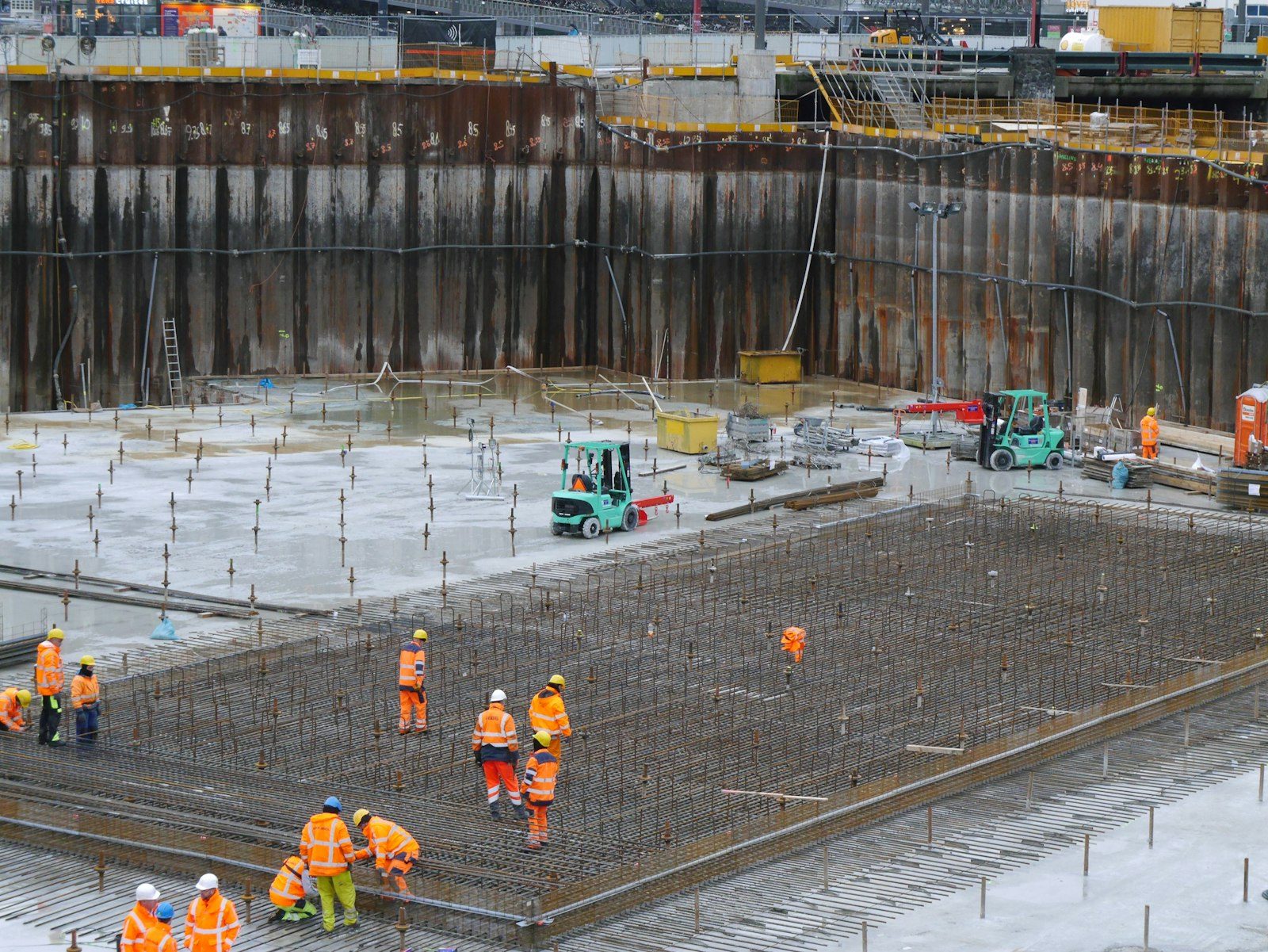
Dig a hole before you write a spec. What sits under a pad matters more than what goes in it.
Before we price a pad, we dig. Post hole digger, a shovel, sometimes a small bucket if the yard has room, and then we look hard at what came up. Sandy fill that drains? The build gets simpler. Gray clay that holds a thumbprint? Different job. Construction spoil with brick chunks and a buried strip of landscape fabric? Seen that plenty, and it explains most of the pads we get called out to replace.
Ground varies enough across Aurora that we won't spec a pad off a map or a neighborhood name. Here's the part people skip: a parked rig drops several tons onto a handful of contact patches and then leaves them sitting there for months. The dirt under that footprint is doing the real work. Concrete only spreads the load out so the dirt can handle it.
Traffic loads come and go. A parked fifth wheel doesn't. Soil under a permanent footprint keeps compressing long after it would have quit under a car, finding every soft pocket on the way down. That's why the classic failure is a dish or a crack across the axle line rather than general wear.
Water makes it worse, quietly. Snow piles against the tires, melts on a warm afternoon, soaks the subgrade, refreezes overnight. Thirty rounds of that in a season and the fines start migrating. Once fines move you have a void, and a void under a loaded slab is where the crack begins.
Take the topsoil out. All of it. Black dirt holds water and compresses under load, and burying it under road base hides the problem for about two years. We dig past it to material that holds a shape, then build back up a few inches at a time, running a plate or roller over each lift until it quits moving under a boot.
Moisture during compaction matters more than people expect. Bone-dry base won't lock together and soaked base turns to pudding, so there's a window in between where the material knits and stays knitted. Where the subgrade underneath is soft, we roll woven fabric first so base rock and clay can't grind into each other. That one layer is why some pads still read flat a decade on.
| What the hole shows | How the base changes | What the slab gets |
|---|---|---|
| Sandy fill that drains freely | Standard depth of road base in lifts | Six inches with bar on chairs |
| Tight clay that holds a thumbprint | Deeper excavation, fabric, and extra base to spread the load | Six inches, grid tightened under the wheel paths |
| An old gravel pad with mud pockets | Strip the contaminated rock, rebuild clean | Standard build once the pockets are gone |
| Loose backfill over a utility line | Recompact in thin lifts, keep the joint off the trench | Thickened section bridging the trench line |
| Topsoil and roots a foot down | Dig deeper, haul it off, no shortcuts | Standard build on corrected subgrade |
| Ground that stays damp into June | Drainage first: swale, drain line, or regrade | Pour only after the water has somewhere to go |
The test hole is part of our free estimate. We'll show you what came out and what it changes.
A pad is a big flat surface that used to be lawn, and every drop landing on it now has to go somewhere. We plan that before we form. Usually a gentle fall toward open yard, sometimes a shallow swale along one side, occasionally a drain line where the lot boxes water in. Side yards in Southshore and Tallyn's Reach often carry runoff off two roofs already, and dropping a pad into that path just moves the puddle to the fence line.
Shoulder seasons win on timing. Late April into June, or September into mid October. Your rig is usually away or stored by then, the ground digs clean, and enough mild weather is left for strength to climb ahead of hard freezes. Autumn books up first, since nothing motivates a phone call like a whole season of your own tire ruts.
Cold placement is possible. Water heated at the plant, an accelerator with no chloride in it, blankets held down for days. The subgrade still has to be thawed, and that 28 day wait doesn't shrink because you're in a hurry. One habit worth keeping: rinse the undercarriage before the rig parks for the season. Whatever it picked up off the interstate drips onto the slab for hours.
Still unsure about something?
Call the crew at (303) 569-4046 and we will talk it through.
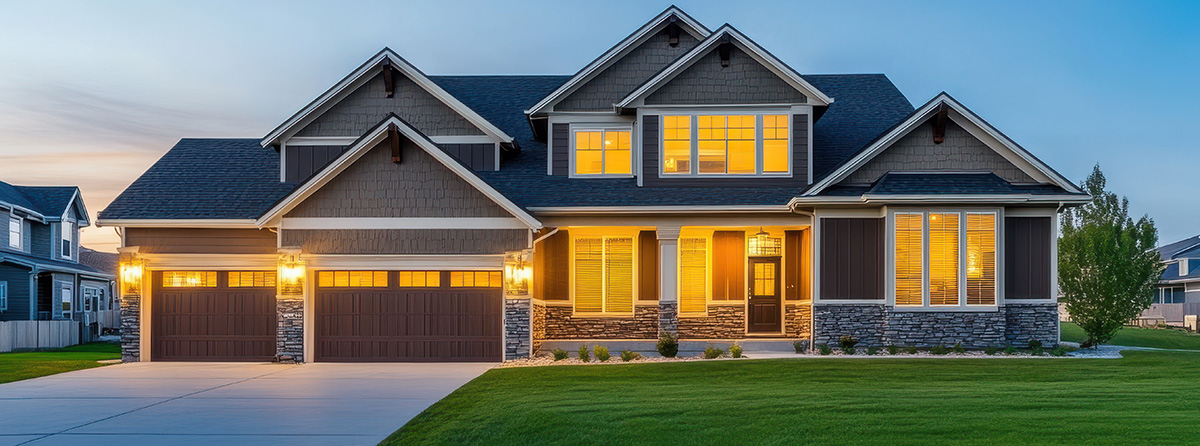
Get a free, no-obligation estimate from a crew that knows Colorado soil, Colorado weather, and how to finish concrete that lasts.
Accessibility
Adjust the site to fit how you read and browse. Your choices are saved on this device.