
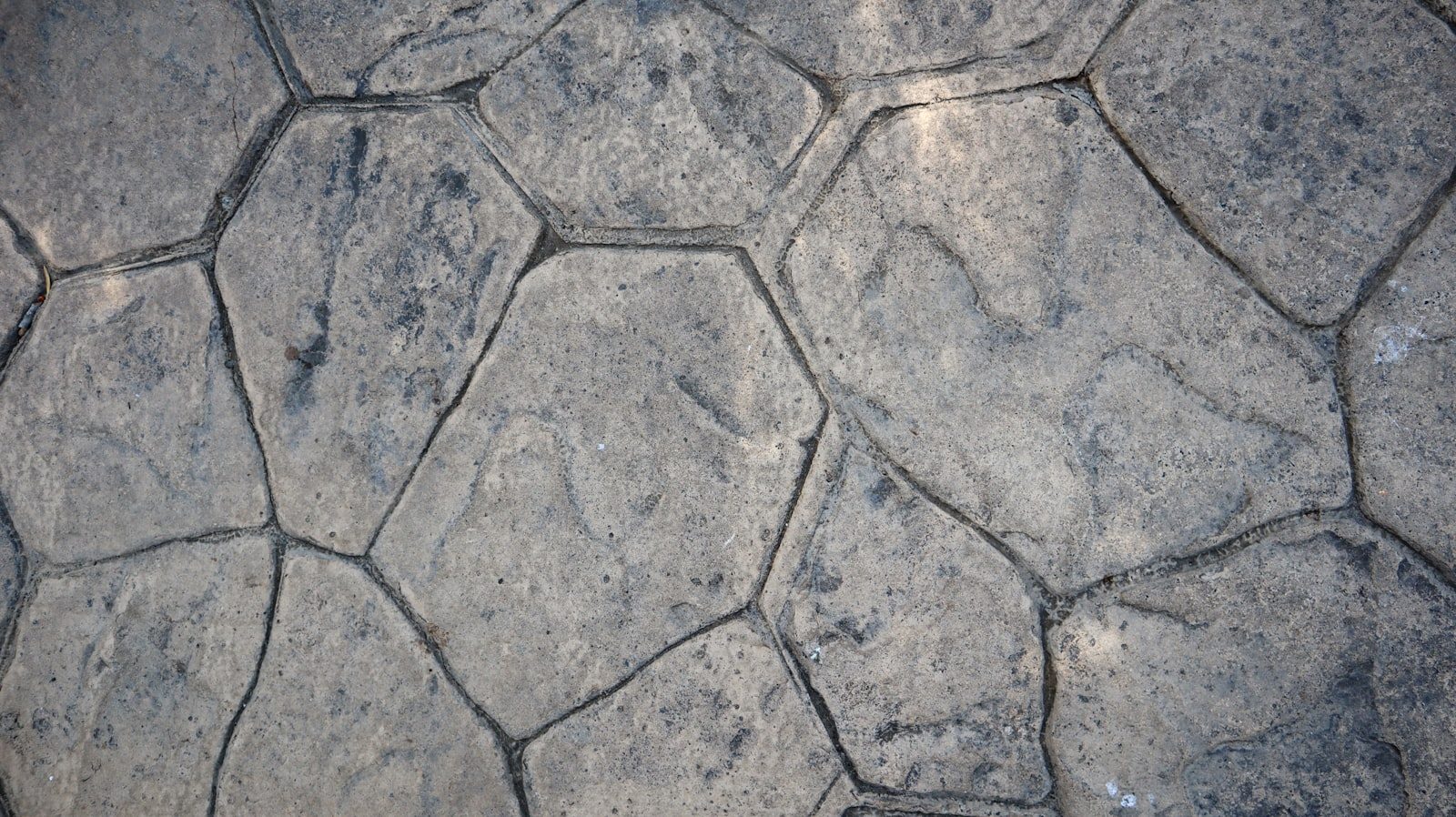
Pattern and color that survive altitude sun, plus honest resealing for the stamped work you already own.
You can grade stamped concrete from the sidewalk. Walk an older block in Stroh Ranch or Canterberry Crossing and study the front walks and porch caps. Some still read as slate, color deep in the grout lines, a low sheen holding the whole thing together. Others have gone flat gray, pattern rubbed smooth at the door, surface chalky where the sealer surrendered years ago. Same product. The difference is how it was built, and whether anybody ever resealed it.
We handle both halves of that story. We pour new stamped patios, walkways, and borders with color mixed through the concrete rather than painted onto it. And we bring tired stamped surfaces back to life with a deep clean, color touch-up where it makes sense, and fresh sealer that puts the depth back into the pattern.
Stamped work has more to lose than plain gray, because the whole point is the surface. And Parker's climate goes after surfaces three different ways. UV at this elevation bleaches exposed color and cooks unprotected sealer until it clouds and peels. Freeze-thaw pries at the textured profile all winter long, tiny expansions working every wet pore. And deicer, especially the magnesium chloride that drips off parked cars and gets tracked up the front walk, chews on the very top layer, which is where all your color lives.
None of that is a reason to skip stamped concrete. It's a reason to build it for this climate: integral color through the slab, a quality release color over it, an air-entrained mix underneath it all, and a UV-stable sealer renewed on schedule instead of whenever the fading finally bothers you.
| Question | Stamped concrete | Pavers |
|---|---|---|
| What's the look? | One continuous surface textured to read as flagstone, slate, or wood plank | Individual units with visible joints; very uniform, very modular |
| What grows in it? | Nothing; there are no open joints to sprout weeds or shelter ants | Joint sand hosts weeds and ant colonies unless you keep up on polymeric sand |
| How does it ride our clay? | Moves as one reinforced slab, with joints deciding where any cracking goes | Units heave and wander individually as the ground shifts, leaving a wavy surface |
| What does repair look like? | Cracks can be disguised but rarely erased; major damage means replacing a section | A single unit swaps out cleanly, though matching its color years later is a chore |
| What's the upkeep? | Reseal every two or three years, rinse as needed | Re-sand the joints, pull the weeds, reset whatever settled |
Ashlar slate leads our pattern list, and for good reason: those random rectangles disguise wear and future touch-ups far better than tight repeating textures do. Random flagstone runs a close second. Wood-plank stamping looks sharp on porches and covered patios, though we steer it away from full-sun slabs where fine grain lines wear soonest. On color, we push integral color plus a contrasting release; surface-applied color alone sits exactly where UV and foot traffic do their worst work.
In Idyllwilde and Reata we pour plenty of stamped upgrades behind brand-new homes, since builders rarely offer anything past plain gray. In Stonegate and Clarke Farms it's often a stamped border wrapping a broom-finish patio, which buys the decorative look without the full-surface price. And The Pinery leans toward earth tones that sit quietly under all those trees.
A reseal revives more stamped concrete than owners expect. We'll take a look and tell you whether yours qualifies before you spend a dime on replacement.
People assume the color wore out of their patio. More often than not the color's still down there; it's the sealer that died. We strip, clean, reseal, and the pattern pops again like the week it was stamped.From the crew lead on these jobs
New stamped work follows the same calendar as any exterior pour, spring through fall, with early autumn the standout because moderate temperatures give the crew extra working time on the texture. Stamping is time-sensitive in a way plain finishing isn't. The slab has to be firm enough to hold an imprint yet soft enough to take one, and Parker's dry air shrinks that window, so we bring extra hands and start at first light.
Resealing runs on its own season. It wants dry concrete, a dry forecast, and mild temperatures, which makes late spring and early fall the sweet spots. Winter is planning season: get on the books, and your reseal lands before the summer sun starts working on faded color again.
Still unsure about something?
Call the crew at (303) 569-4046 and we will talk it through.
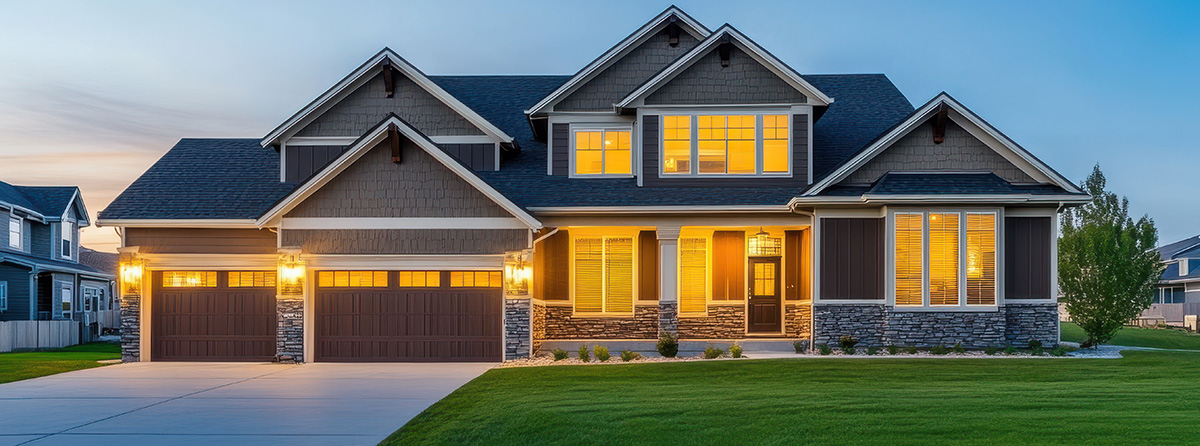
Get a free, no-obligation estimate from a crew that knows Colorado soil, Colorado weather, and how to finish concrete that lasts.
Accessibility
Adjust the site to fit how you read and browse. Your choices are saved on this device.