
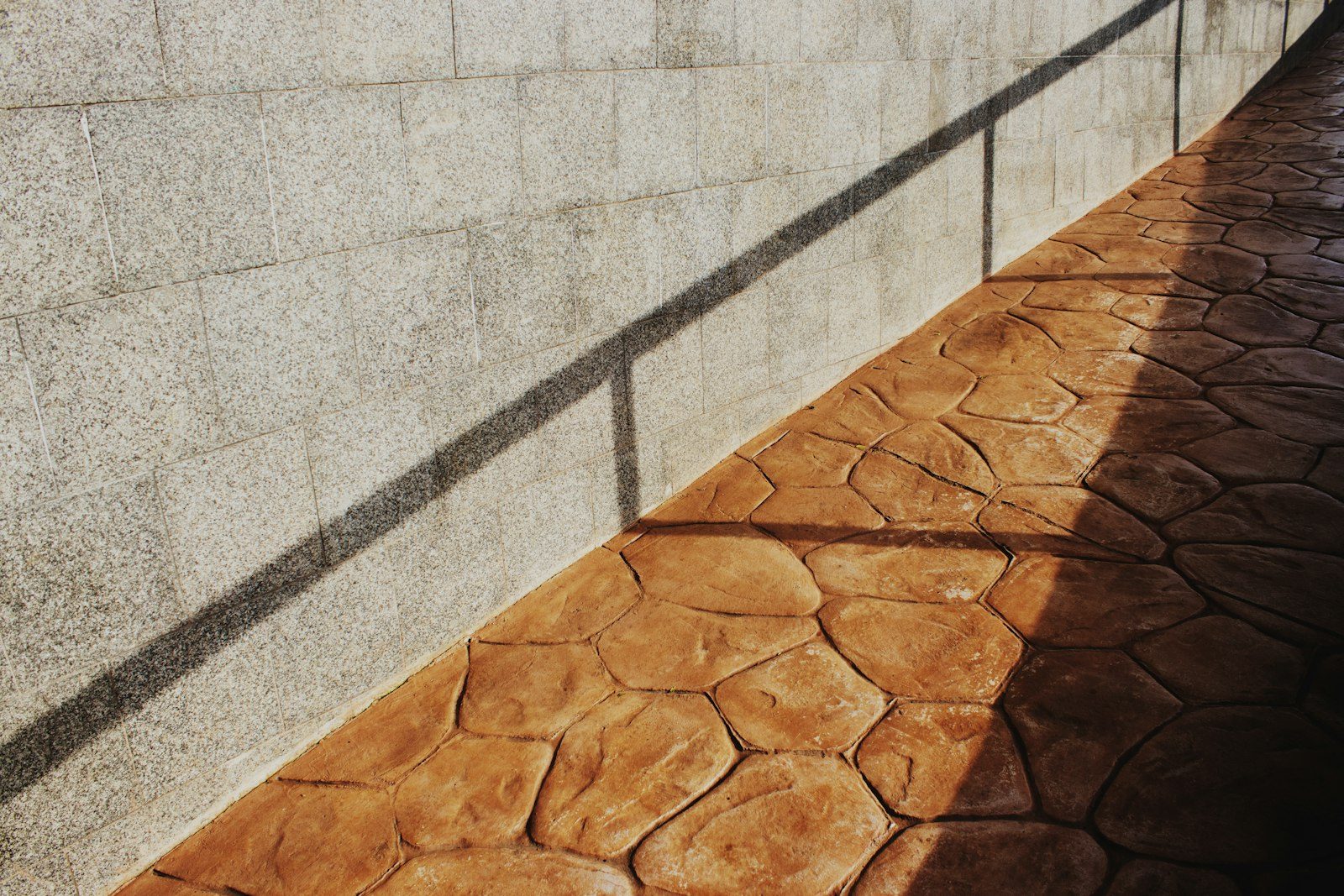
The concrete is the easy part. Phasing, notice, and panel selection are what make a community project work.
Community concrete gets used in a way no office park ever matches. A resident walks the same forty feet of sidewalk twice a day for fifteen years. The trash truck runs the identical loop every week. Add dogs, strollers, a mail carrier on the same route, kids cutting the same corner on bikes, and a snow contractor who pushes to the same three piles every storm. None of it is heavy. All of it is relentless, and it wears specific panels out on a schedule you can almost predict.
We handle bulk concrete replacement for associations and community properties around Lone Tree, from the established streets near Heritage Hills and Carriage Club to the newer sections around RidgeGate. Bulk work is a different animal from a single pour. The concrete itself is straightforward. Phasing, resident communication, and deciding which panels come out this year are the parts that decide whether the board hears complaints or compliments.
Corners go first. Any place a route turns, people cut the inside of the curve, so the corner panel and the ramp beside it take concentrated traffic plus every wheeled thing in the neighborhood. Then apron panels at the street, where each vehicle on the block crosses the same six feet twice a day and where the plow blade transitions from street to concrete.
Mailbox cluster pads are next, and they surprise boards. People stand there, they pivot, and the area collects foot traffic from a whole block into a slab the size of a small patio.
Then the snow piles. Wherever your contractor pushes, that panel spends four months under a melting, refreezing mound with whatever chemical came off the street in it. It is the single most reliable predictor of which panels will scale first, and moving the pile location every couple of seasons pays for itself.
Amenity walks around pools and clubhouses wear differently. They are seasonal but concentrated, and wet feet mean surface texture matters more there than anywhere else on the property.
| Shared surface | How residents use it | Where it lands in the phasing |
|---|---|---|
| Curb ramps and corner panels | Strollers, wheelchairs, bikes, everybody crossing a street | First. Accessible routes and trip hazards lead every scope we write |
| Walk panels with vertical offsets | Daily walkers, dog routes, the mail carrier | First, often as a standalone hazard package ahead of the main phase |
| Driveway aprons at the street | Every vehicle on the block, twice a day, plus the plow | Second. High traffic and the panels residents notice immediately |
| Mailbox cluster pads | Concentrated foot traffic and a lot of standing in one spot | Second, and worth pairing with the ramp package since the routes connect |
| Pool and clubhouse walks | Seasonal, heavy, and always underfoot when wet | Third, scheduled outside the amenity season |
| Trash truck route panels | One very heavy vehicle on the same line every week | Third, unless it is actively failing, then it jumps the line |
We will walk the property, mark and count every panel, and hand you a written scope you can phase across years. Free, and no obligation attached.
Every complaint we have ever seen on a community project traced back to notice, not to concrete. So the paper comes first. Residents will tolerate a week of parking on the street. They will not tolerate finding out about it on the morning it happens.
Then the sequence. We keep one phase live at a time and we look at where the displaced cars go before we close anything, because closing eight aprons on one cul-de-sac at once creates a parking problem the association hears about for a month.
Season shapes the calendar. Late April through October is the working window at 5,817 feet, and most associations run their bulk work from May into September while residents are outside and the cure is easy. We place early in the day during monsoon weeks and cover fresh work when a cell builds over the foothills. Winter placement is possible with heated water, accelerators, and blankets, but for community projects we usually recommend banking the budget and starting in spring instead.
Still unsure about something?
Call the crew at (303) 569-4046 and we will talk it through.
Get a free, no-obligation estimate from a crew that knows Colorado soil, Colorado weather, and how to finish concrete that lasts.
Accessibility
Adjust the site to fit how you read and browse. Your choices are saved on this device.