
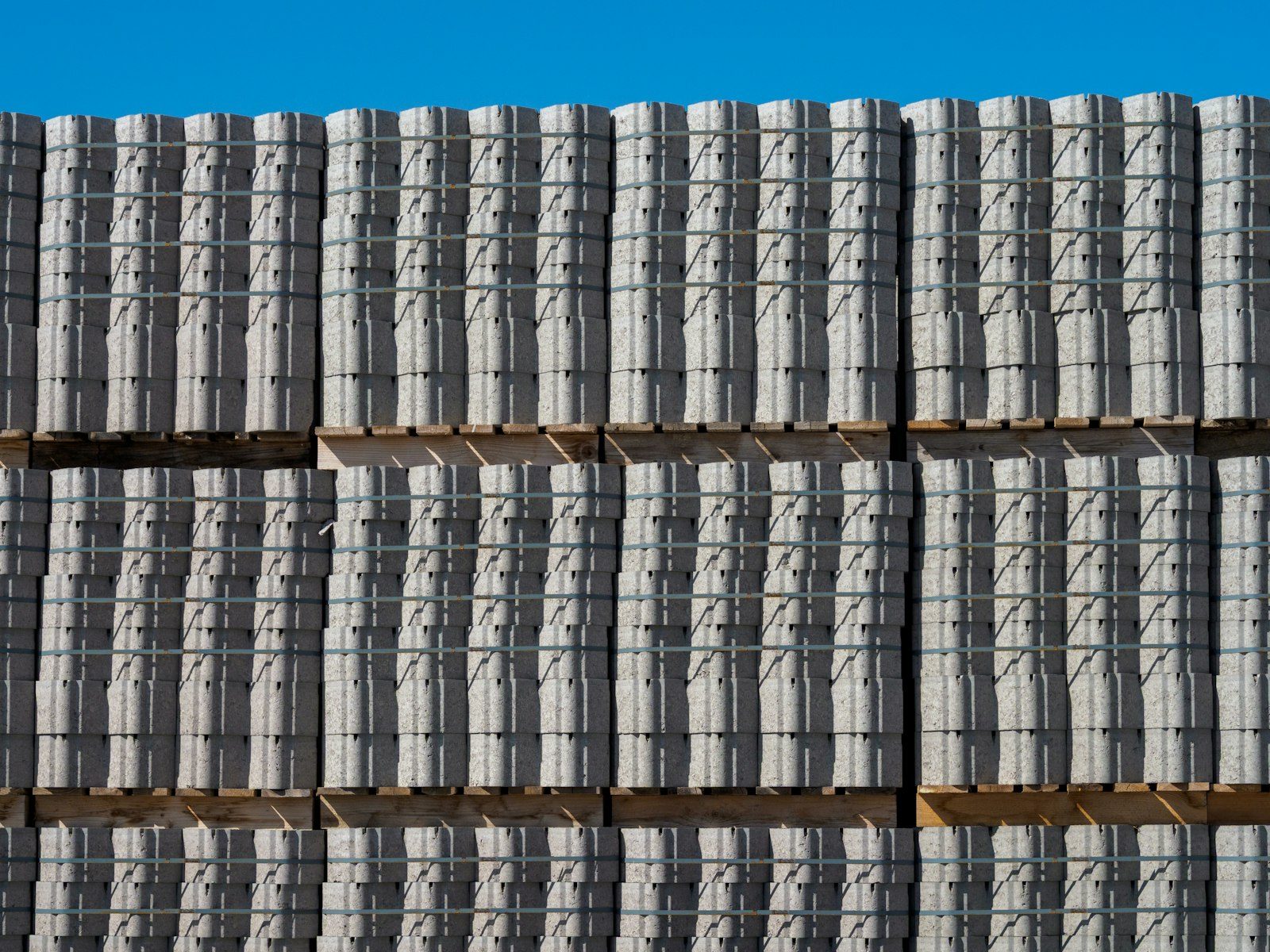
Most of the walls in this town were built by somebody else, a long time ago, out of whatever was cheap that year.
Almost nobody calls us about a brand new wall on bare ground. They call about the one that came with the house. A row of creosote timbers holding back the side yard, spiked together during the Carter administration and now soft enough to push a thumb into. A stack of boulders dry-set to make a garden bed, quietly walking downhill an inch a year. Builder block along the back of the lot that looked fine at closing and looks less fine now.
Littleton has plenty of that, because it has plenty of slope and several distinct waves of building. Our job is usually sorting out which inherited wall is a real structure that aged out, which was never a structure at all, and which slope would be better off with no wall in it.
Through the older streets around Columbine and Southbridge, the standard fix decades ago was timber. Ties, spikes, a few deadmen buried into the hill if the builder was conscientious. Those walls did decent work for a long time and they're all at the end of it now. Wood rots from the buried face outward, so a tie wall looks fine right up until it doesn't.
Out toward Ken Caryl the walls do harder duty. Those lots were carved into slope, so the flat ground exists only because something holds dirt back, and losing a wall means losing the driveway or patio above it. Different problem, different budget, and usually an engineered structure rather than landscaping. Newer ground near Highland Walk and The Hills at Piney Creek brings segmental block along the grade breaks between lots. Some of it went in with proper reinforcement. Some got stacked to a height it never should have reached.
| What's holding the dirt now | How it's failing | What we do about it |
|---|---|---|
| Creosote timber tie wall | Buried face rotted through, deadmen gone, belly at mid-height | Full removal, poured wall on a real footing, drainage behind it |
| Dry-stacked boulders | Stones rolling out as the soil behind them consolidates | Rebuild if decorative; anything holding height gets replaced |
| Builder-grade segmental block | Top courses tipping, no reinforcement behind the lower ones | Rebuild with geogrid at engineered spacing, or pour it |
| Mortared block on a shallow footing | Stair-step cracking, shallow footing, no weeps anywhere | New footing below frost, drainage, steel sized for the height |
| Poured wall with no drainage | Sound concrete, saturated backfill, whole wall leaning as one | Open the back, add rock and pipe, reset or replace by tilt |
A wall fights one thing: dirt trying to slump into the flat space you made. That push grows with height, and it grows hard when the soil behind gets wet, since saturated clay is heavier and stacks water pressure on top of soil pressure. Wet backfill can multiply the load several times over. Which is why walls here pick the March thaw to fail, not the July heat.
The wall is half the job. Behind it goes clean free-draining rock wrapped in filter fabric, perforated pipe running to daylight, and weeps through the face so trapped water has an exit. Segmental walls get geogrid, a stiff mesh laid between courses and reaching back into the fill, which turns the block and a wedge of soil into one heavy mass. We also batter the face into the hill slightly, because a wall leaning in has a long way to go before it looks like it's leaning out.
Send photos from straight on and from the end. We'll tell you whether it's an emergency or a project. (303) 569-4046.
Late spring through early fall is the window, for a practical reason beyond comfort. Wall building is mostly earthwork, and earthwork wants ground that's neither saturated nor frozen. Compaction is the whole game back there, and nobody compacts frozen clumps or soup. Both leave voids that surface as settlement a year later.
Fall is our favorite stretch: dry soil and a finished wall standing before the wet season. Winter work happens on smaller jobs when the ground stays workable, with cold weather protection on the concrete and backfill scheduled into a thaw window. What we won't do is race a freeze and shove frozen material behind a new wall. If the calendar gets tight we'd rather secure the site and finish the backfill properly in spring.
Still unsure about something?
Call the crew at (303) 569-4046 and we will talk it through.
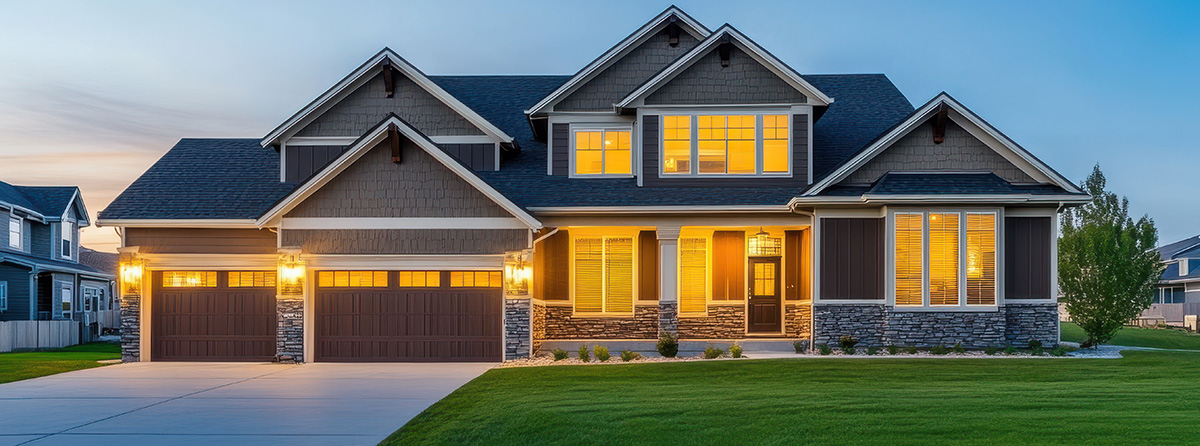
Get a free, no-obligation estimate from a crew that knows Colorado soil, Colorado weather, and how to finish concrete that lasts.
Accessibility
Adjust the site to fit how you read and browse. Your choices are saved on this device.