
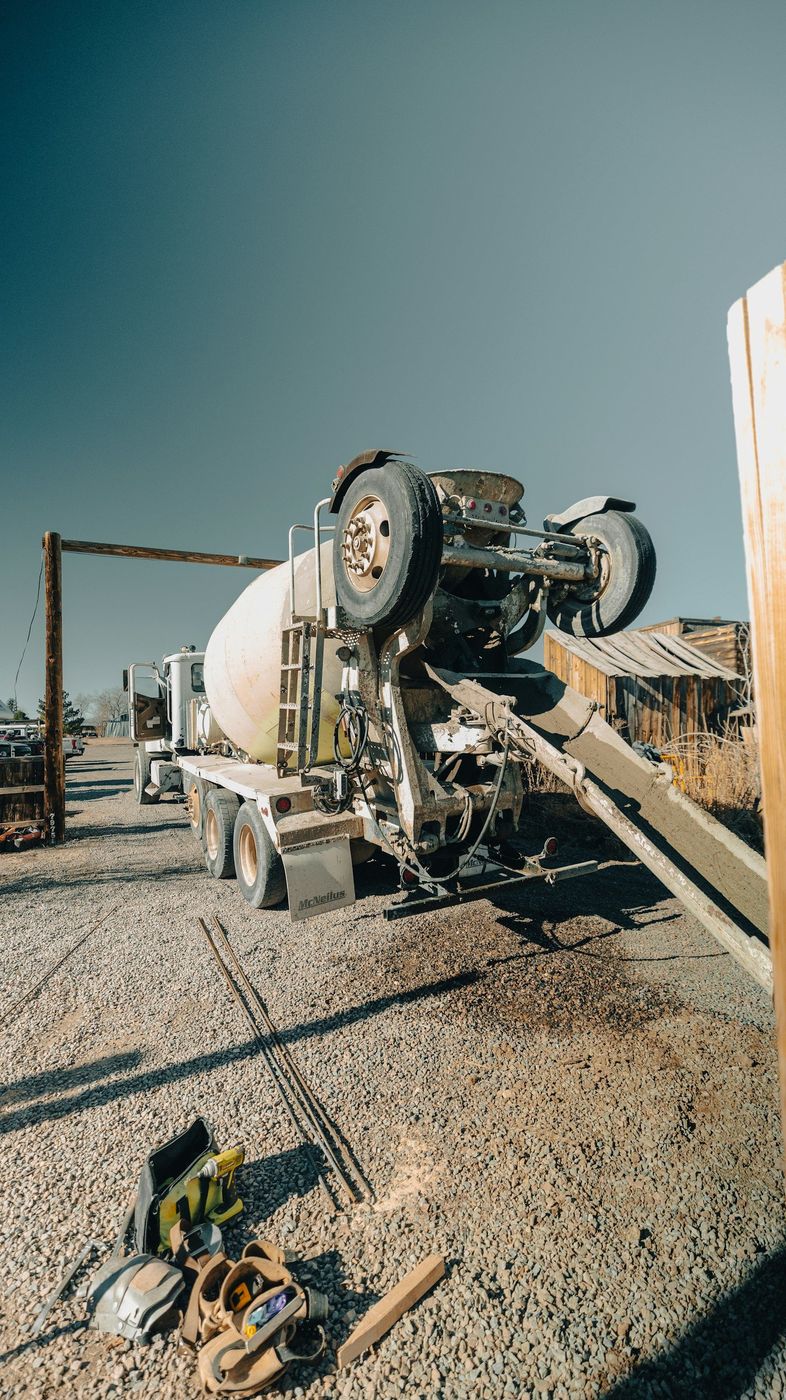
Everything else on a pergola can be swapped out later. The holes cannot.
Think about a pergola as a set of decisions with very different expiration dates. Hate the stain? Refinish it. Want more shade? Add slats or stretch a canopy. Lights, a fan, a heater, curtains on the west side: all of that is a weekend and a receipt. Even the beams can be replaced if a limb comes down on them.
The concrete under the posts is the exception. To change a footing you have to take the structure apart, break out the old concrete, dig, pour, wait, and rebuild. Which means the smallest and least visible line on a pergola quote is the one line that has to be right the first time. This page is about where that money goes and what actually moves it, so you can read two bids and understand why they don't match.
Hole count comes first, and it isn't only about square footage. A wider beam span means fewer posts carrying bigger loads, so four deep footings can beat six shallow ones on price. Depth is next, and depth follows what the ground gives us. Then access. A gate wide enough for a small machine makes a very different day than a side yard where every bucket of spoil goes out by wheelbarrow.
After that come the site specifics. Digging through an existing patio means coring or saw work plus a patch afterward. Tree roots slow everything down and occasionally move a post location. Slope means the tops of the footings all land at different depths, which takes layout time. Hardware grade matters too, since a heavy standoff base built for real uplift costs more than a light bracket and is worth every bit of it. None of that is padding. It's the difference between two honest bids.
| Part of the pergola | Change it later? | What that takes |
|---|---|---|
| Stain, paint, or finish | Any time | A weekend and a brush |
| Slat spacing, canopy, shade cover | Easily | Hardware and an afternoon on a ladder |
| Lights, fans, heaters | Yes, if you planned the power | An electrician, and conduit you wish you'd run earlier |
| Post wraps and trim details | Yes | Carpentry only, nothing structural |
| Post base hardware | Painful but possible | Unbolt the post, shore the structure, hope the anchor is reusable |
| Post locations and spacing | Effectively no | New footings, new holes, rebuild the frame above |
| Footing depth and diameter | No | Full teardown, demolition, and starting over |
Send the plan and a photo of the yard. We'll tell you what the holes need to be. Free estimates, (303) 569-4046.
A pergola weighs very little, and people assume that makes it easy. It's the opposite. A light structure with a large horizontal surface is a wing. When a gust comes through the yard, the pressure difference across those beams tries to lift the whole frame straight up, and the only thing arguing back is the connection at the bottom of each post.
That's why we care so much about post bases. A standoff base with the right anchor, embedded to a real depth in the concrete, holds a post against tension rather than just keeping it from sliding sideways. The standoff also lifts the wood off the concrete so the end grain isn't wicking snowmelt all winter, which is what rots posts from the bottom. Then add our other seasonal load: a wet spring snow can put serious weight on a covered pergola for a day or two before the sun gets underneath. Up, then down, twice a year, for decades. Cheap hardware loses that argument eventually.
Anytime the ground is workable, which here is most of the year. Fall is our favorite: dry soil, clean holes, and a yard with time to recover before you want it back. Spring is fine but muddier, and a saturated hole takes longer to get right. Summer works with an early start.
Winter isn't out of the question. The frozen crust comes off the top, the ground below digs normally, and we place with heated water and cover the tops overnight. We still nudge people to book ahead of winter for a different reason: most want the pergola standing by spring, and letting footings gain full strength before anyone torques a bolt beats cramming all of it into one cold week.
Still unsure about something?
Call the crew at (303) 569-4046 and we will talk it through.

Get a free, no-obligation estimate from a crew that knows Colorado soil, Colorado weather, and how to finish concrete that lasts.
Accessibility
Adjust the site to fit how you read and browse. Your choices are saved on this device.