
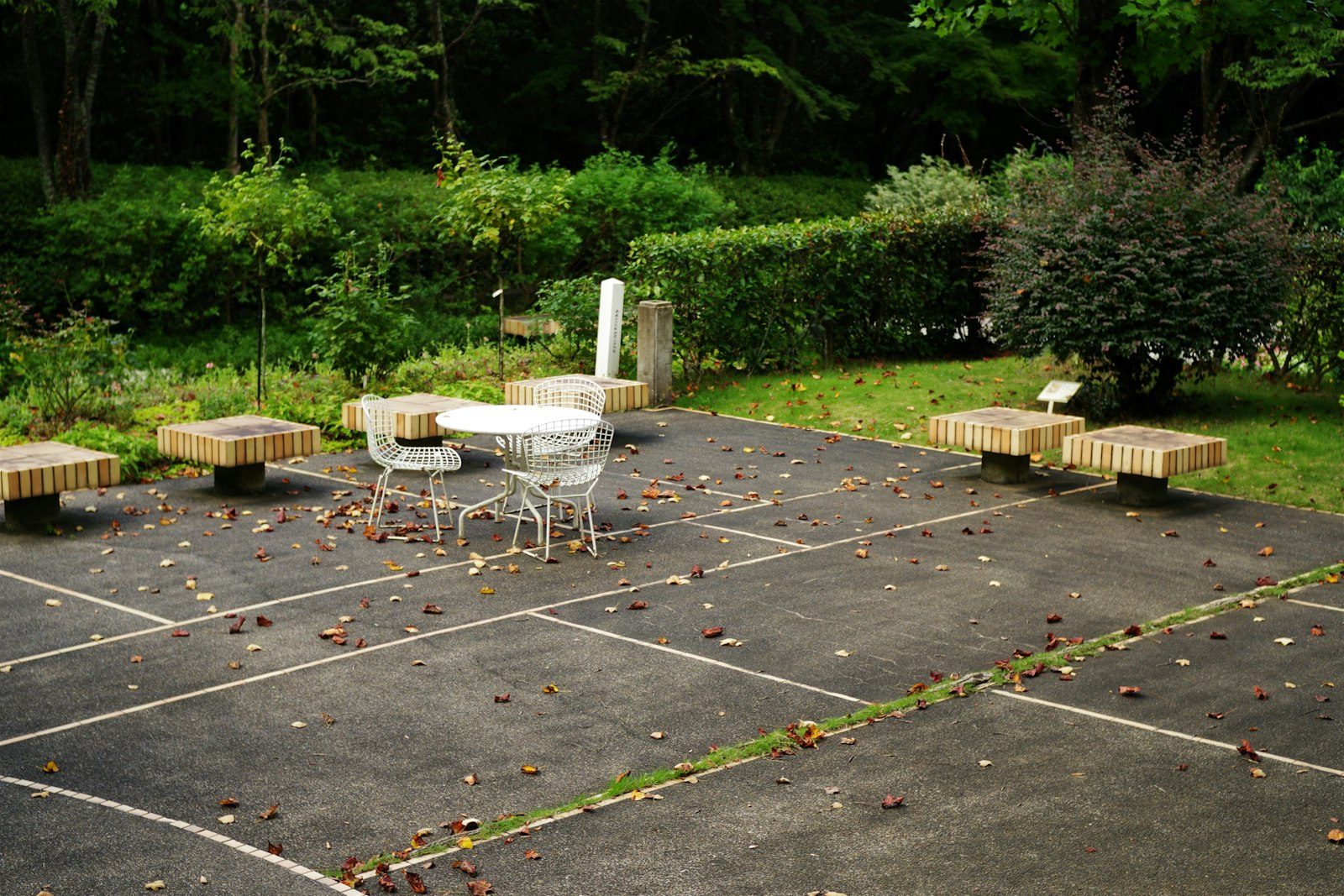
Backyard concrete sized for your lot, your sun, and the water that has to go somewhere.
Littleton backyards come in two flavors, and they want different patios. Near the historic downtown, lots are older and tighter, yards have mature trees, and the patio has to earn its footprint; a well-placed 12 by 14 slab often beats a sprawling one that swallows the garden. Out toward the foothills and up through Ken Caryl, the yards get bigger and the ground gets opinionated: slope, rocky soil, sun with nothing to block it. There the patio design starts with grading and ends with shade.
We build both kinds. Go Denver Concrete is licensed, bonded, and insured, we keep a structural engineer on staff for the tricky lots, and we've formed up patios on ground that ranged from downtown clay to hillside rock in the same month. The estimate is free, and it starts with us standing in your yard asking how you actually plan to use the space.
The established neighborhoods, Columbine, Southbridge, the blocks around downtown, tend to have patios already: small original pads, cracked and settled, usually poured tight against the house with no thought given to where roof water lands. Those jobs are half demolition, half rescue. We pull the old pad, fix the pitch, and pour something bigger that finally drains away from the foundation.
The Hills at Piney Creek, along with Highland Walk, is the other story. Newer homes, blank-slate backyards, builders who left nothing but a stoop. Those owners are starting fresh, which means we get to talk layout: where the grill lives, whether the dining table gets morning sun or evening shade, how the slab meets the lawn. Ken Caryl splits the difference, with the added wrinkle that hillside lots need retaining thought and real base work before anyone talks furniture.
Altitude changes patio math. The UV up here is stronger than the thermometer suggests, so a south-facing slab with no cover is a griddle in July and a glare problem the rest of the summer. When we lay out a patio we look at where shade falls at 5 p.m., not noon, because that's when you'll actually sit outside. Sometimes the answer is shifting the slab ten feet east. Sometimes it's planning for a pergola footing now so it doesn't require coring the slab later.
Then there's the water. Summer storms roll off the foothills fast and dump hard, and a patio that pitches even slightly toward the house feeds every drop to your foundation. Our slabs slope away from the structure, period. On tight downtown lots where the grade fights us, we build in drainage rather than pretend the problem away.
Get on the schedule early. We'll measure, talk finishes, and hand you a written quote at no charge.
| Finish | The look | How it lives in Littleton weather |
|---|---|---|
| Broom | Clean, uniform texture | The workhorse. Grips underfoot when wet or icy, shrugs off sun, lowest upkeep. |
| Exposed aggregate | Stone texture, natural tones | Hides dirt and hail dings well; sealing keeps the stones locked in through freeze-thaw. |
| Stamped | Patterned like slate, stone, or wood | Great looks, more maintenance; plan on resealing every two to three years to protect the color. |
| Stained | Rich color over smooth or textured concrete | High-altitude UV fades cheap stains, so product choice and sealer discipline decide how it ages. |
People plan patios standing in the yard at ten in the morning. Then they never use it because it bakes all evening. Stand out there at dinnertime before you pick the spot. The concrete is permanent. Get the shade right first.Our crew lead, after the walkthrough
Book a spring pour and you get the whole summer on your new slab. That makes April and May the busy season, so the smart move is calling in late winter before the schedule fills. Fall pours are underrated; the concrete cures in gentle weather and you're first in line to enjoy it when spring comes. Summer works too, though we start early and watch the afternoon sky, because rain landing on a slab mid-finish can weaken the surface, and we'll cover fresh work or wait a day rather than risk it.
Cold-month pours are possible with heated water, non-chloride accelerators, and curing blankets, as long as the ground isn't frozen. But honestly, for a patio, winter is better spent designing. Get the layout and finish decided by February and you'll be grilling on new concrete by Memorial Day.
Still unsure about something?
Call the crew at (303) 569-4046 and we will talk it through.
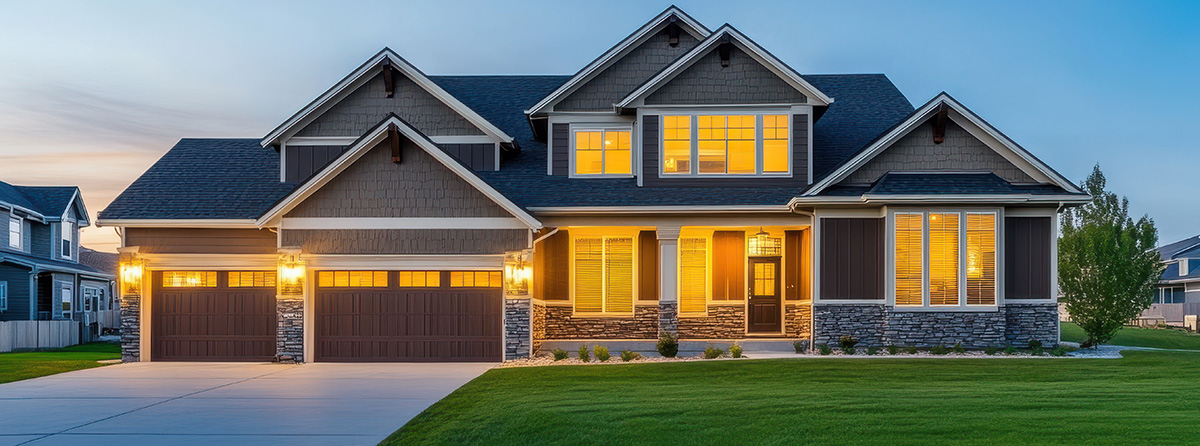
Get a free, no-obligation estimate from a crew that knows Colorado soil, Colorado weather, and how to finish concrete that lasts.
Accessibility
Adjust the site to fit how you read and browse. Your choices are saved on this device.