
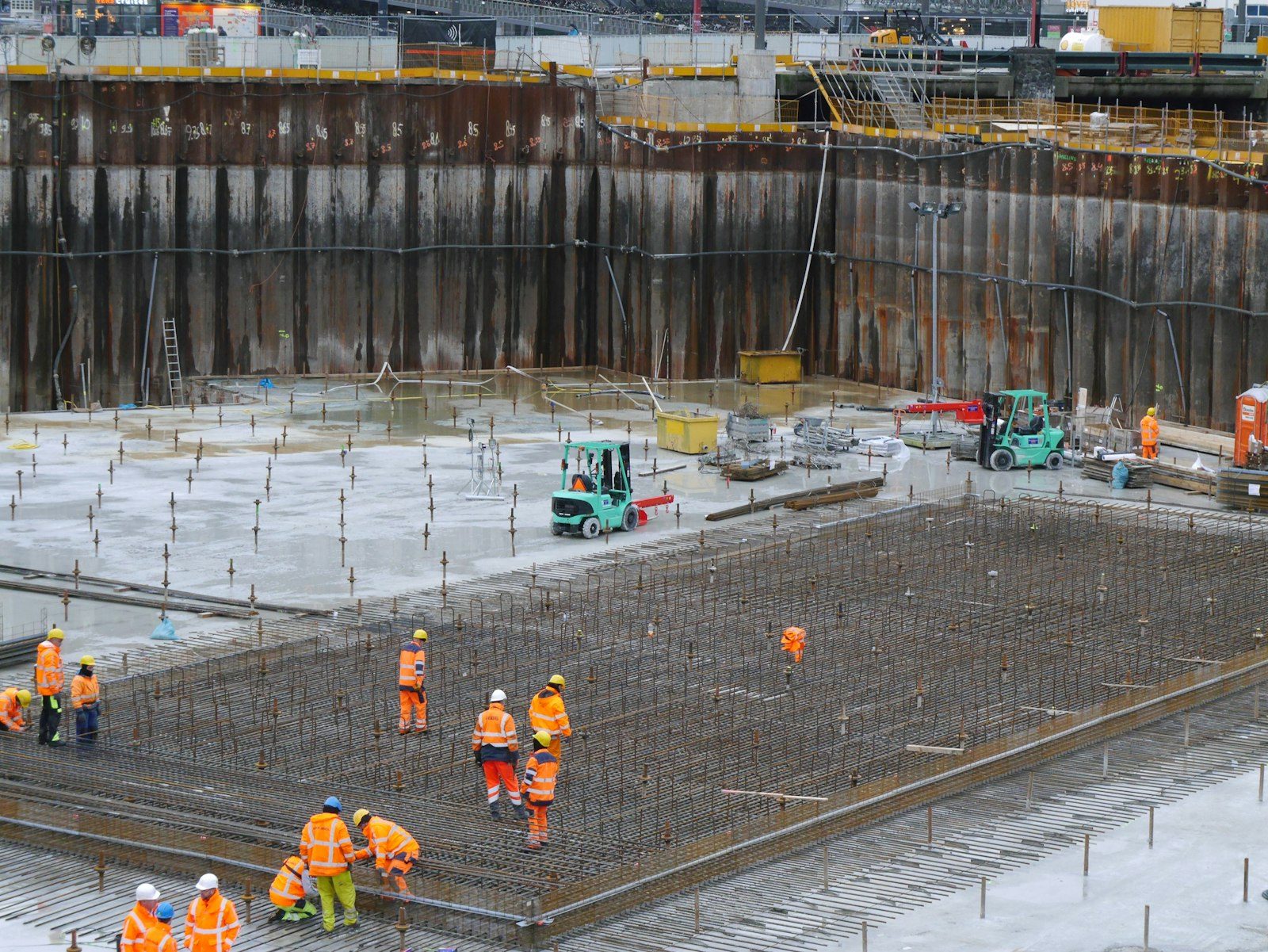
Clay on the flats, rock on the mountain, and an in-house engineer who knows which one your house is sitting on.
Dig two holes in Lakewood, ten minutes apart, and you can pull up two different planets. Up against Green Mountain and along the foothill edges you fight rock and slope. Down on the flats you pull sticky clay that swells like a sponge every wet May and shrinks hard by September. Your foundation doesn't care about your paint color or your kitchen remodel. It cares about which of those two planets it was set on, and how water has been treating that ground ever since.
That's why foundation repair is a diagnosis business before it's a construction business. We bring a structural engineer, on our own staff, into every evaluation, because the fix for a clay-heave crack is different from the fix for a settling corner, and both are different from a shrinkage crack that needs nothing but a bead of sealant and a calm homeowner.
On the east side of town, expansive clay is the villain. It swells against basement walls and under footings when it's wet, then lets go when it dries, and the house rides that cycle season after season. The damage signature is movement that changes with the weather: doors that stick in spring and swing free in fall, cracks that open and close. Belmar and Applewood sit in this world, and so does most of the older housing stock.
The Green Mountain side writes a different story. Slope means water is always traveling, and a foundation there can have one corner bearing on solid ground while another sits on fill that was never compacted right. Bear Creek and Solterra properties bring versions of both. Neither story is worse. But they get fixed differently, which is why anyone who quotes piers over the phone without seeing the house is guessing with your money.
| What you're seeing | What it usually points to | How urgent |
|---|---|---|
| Thin vertical hairline in poured concrete | Normal curing shrinkage from when the wall was new | Low. Seal it against moisture and take a photo for your records. |
| Stair-step cracking through block or brick | Differential movement; one part of the footing is traveling | Worth an evaluation soon, especially if it's grown this year. |
| Horizontal crack in a basement wall | Lateral soil pressure pushing the wall inward | High. This is the one you don't sit on. Call now. |
| Crack wider at the top than the bottom | A settling or rotating foundation section | Moderate to high; measurement over time tells the story. |
| Sticking doors plus sloping floors upstairs | The frame is racking as the foundation moves | Get it looked at; finishes are telling you what the concrete can't. |
Stop wondering. Call (303) 569-4046 and get an engineer's read on it, not a salesman's.
When a foundation is genuinely settling, the repair is underpinning: steel push piers or helical piers driven down past the active soil to load-bearing strata, then the structure lifted back toward level and locked there. Done right, it's a permanent answer because the house stops depending on the moody clay near the surface. Bowing walls get braced or anchored. Interior floor systems get supplemental support where spans have sagged.
And then there's the other category: epoxy in a crack, mud in a void, a skim coat over the evidence. Those have their place, but only after the movement question is answered. Injecting a crack on a wall that's still moving buys you a repaired crack next to a new crack. Our engineer's job is telling you which category you're in, and sometimes that answer is the cheap one. We've closed plenty of evaluations with a recommendation to monitor, water consistently, and spend nothing yet.
Pier work happens year-round. Crews drive steel in January without much drama, and frozen topsoil is a nuisance for a repair crew, not a stopper the way it is for a concrete pour. Spring is when phones ring, because snowmelt plus rain makes clay do its loudest moving, but the smart schedule move is booking the evaluation the day you notice something, whatever the month. Movement measured over a few weeks is worth more than a guess made in one visit.
Between now and any repair, manage water like it's your job. Extend downspouts. Slope beds away from the wall. Water the perimeter lightly and consistently through dry stretches so the clay doesn't yo-yo. Half of what we see in this town traces back to a disconnected gutter, and no pier system beats a five-dollar downspout extension for return on investment.
The call is always about the crack. The cause is almost always about water. Before I measure anything inside, I walk the outside and look at where the roof drains, where the sprinklers throw, and which way the yard tilts. Ten minutes out there usually explains the picture on the wall.What the crew sees on site
Still unsure about something?
Call the crew at (303) 569-4046 and we will talk it through.

Get a free, no-obligation estimate from a crew that knows Colorado soil, Colorado weather, and how to finish concrete that lasts.
Accessibility
Adjust the site to fit how you read and browse. Your choices are saved on this device.