
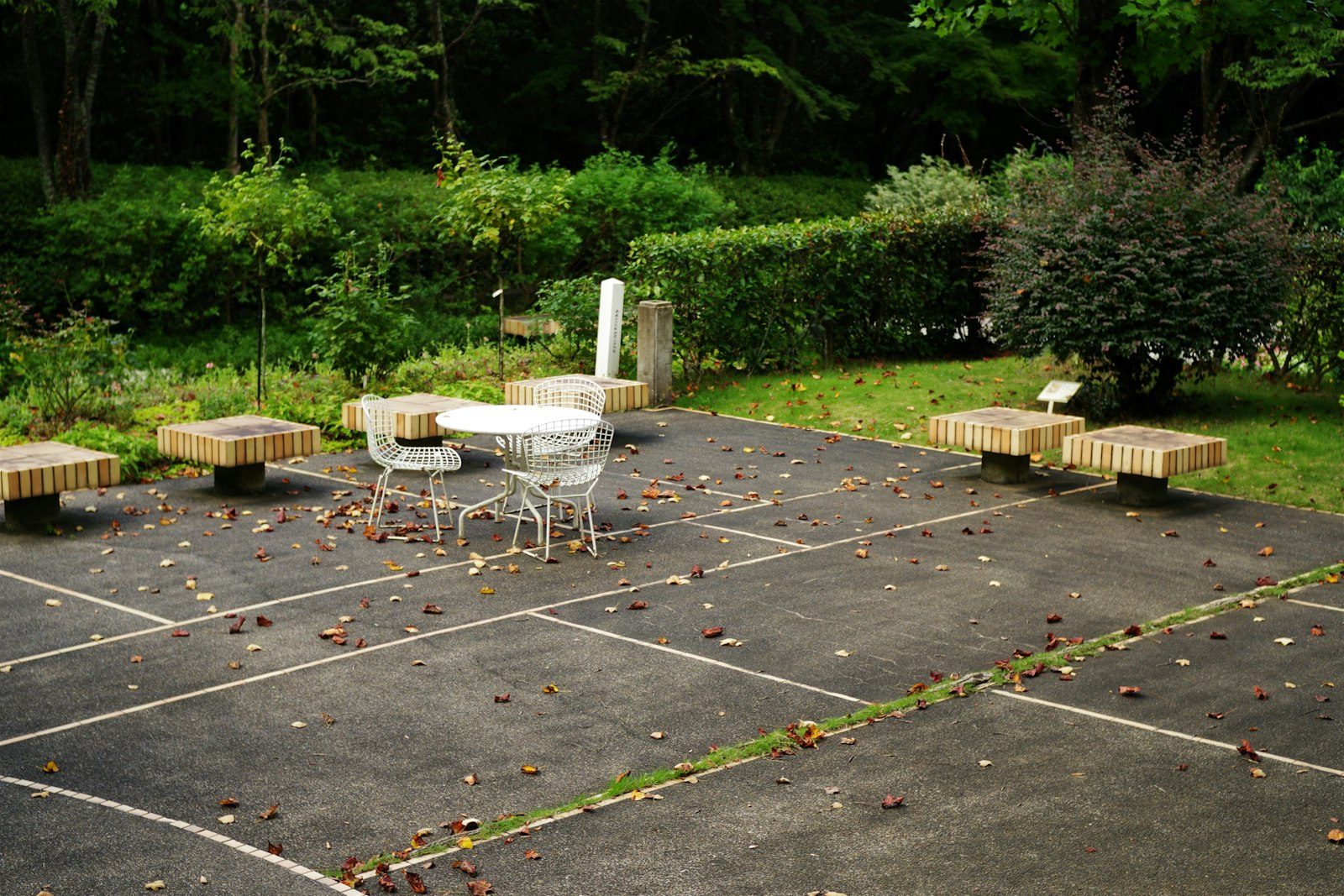
The rock is already in the truck. What you are paying for is the two hours we spend uncovering it without ruining the slab.
Here's the thing that surprises people: the stone is free. Every load of concrete that comes down your driveway is already mostly rock, and always has been. A broom finish just buries it under a layer of cement paste and calls it done. Exposed aggregate takes that paste back off while the slab is young, so what you walk on is the same material, uncovered.
Which means the premium isn't for the aggregate. It's for a longer day, a bigger crew, a truckload of timing risk, and stone that had to be ordered on purpose. That changes how you shop it. A bid that comes in low on a washed pour is never saving you money on rock. It's saving hours somewhere in the sequence, and the hours are the whole job.
A broom slab finishes on a forgiving clock. Place, screed, float, wait for bleed water, tool the edges, pull the broom, cut joints, go home. A washed pour holds a crew through all of that and then asks them to sit and watch the concrete until it hits exactly the right stiffness. Too early and the water blasts stone out of the matrix, leaving pockmarks. Too late and the paste has locked in.
On a warm dry afternoon here that window arrives quicker than anybody expects. On a cool overcast morning it might not open until the light is going. Either way somebody has to be standing there. Add the retarder we spray to hold the top layer soft, the water and brushes, containment for the slurry coming off, and a second pass on spots that gave up their paste unevenly. That's the money. Not the rock.
| What changes | Broom finish | Exposed aggregate |
|---|---|---|
| Mix on the ticket | Whatever stone the plant runs that day | Stone chosen and specified, often a smaller top size so the wash reads evenly |
| Hours on site | Place, finish, cut, leave | Place, finish, wait for the window, wash, wait again, clean up the slurry |
| Risk from weather | A storm during finishing hurts | A storm during the wash window can cost you the whole surface |
| Cleanup | Hose the tools | Contain and haul the wash-off, protect beds and drains from the paste |
| Sealing | Optional, mostly for looks | Strongly recommended, and it deepens the stone color while it protects |
| What you get back | A texture that does its job | Grip in every direction and a surface that hides dirt as it wears |
If there's a place to put extra money, it's here, because the stone is the finished product. Rounded river gravel reads warm and feels good under bare feet by a hot tub. Crushed granite reads sharper and grips better on a slope. A darker blend holds heat and clears snow faster on a north-facing walk, which matters more in Bear Creek under the trees than out in the open.
Top size matters as much as color. Bigger stone gives a chunkier look and more relief between the rocks, which is handsome and also collects more debris. Smaller stone washes evenly and cleans easier, and it's what we put on walkways where somebody is pushing a stroller. We bring samples, and we'll pour a test panel if the job justifies it. Picking off a phone screen is how people end up disappointed by a finish that's actually fine.
We measure, look at access and drainage, and quote it line by line so you can see what each choice costs. Call (303) 569-4046.
Value shows up in places that punish other surfaces. Green Mountain has driveways and walks running across grade, and grip on a slope in February is worth paying for once instead of regretting every winter. Applewood and Belmar bring mature landscaping, sprinkler overspray, and shade, where a slick trowel finish would be a hazard. Solterra tends toward larger patios competing with a view, and a broom finish out there reads as leftover construction.
The other return is maintenance you never do. Washed stone hides dirt, pollen, and the gray film that shows on smooth concrete. Season-wise we like May and June, then September into October. Midsummer works with an early start, since the wash window collapses fast in dry heat. Once nights drop below freezing we stop, because you cannot chase a wash window on a slab setting under blankets.
Still unsure about something?
Call the crew at (303) 569-4046 and we will talk it through.
Get a free, no-obligation estimate from a crew that knows Colorado soil, Colorado weather, and how to finish concrete that lasts.
Accessibility
Adjust the site to fit how you read and browse. Your choices are saved on this device.