

(303) 569-4046 Serving Denver & the Front Range Licensed, Bonded & Insured
Go Denver Concrete
Stained & Colored Concrete in Centennial, Colorado
Centennial, Colorado

Centennial Stained Concrete

Acid color needs a run of dry days. Dye doesn't. That one difference sets our whole schedule.

Color is the easy part of a stain job. Weather is the hard part. Acid goes down, works for a few hours, then the whole slab gets flushed and brought back to neutral, and after that it has to dry all the way through before sealer can touch it. That chain needs a run of dry days, and Front Range afternoons in July are not in the habit of handing those out.

So we schedule color around the sky. Outdoor work lands in the mild shoulder weeks or starts at first light in high summer. Interior work goes whenever, which is why so many lower levels in Foxridge and Willow Creek get done between Thanksgiving and March. Same trade, two chemistries, and the calendar picks the job as often as the customer does.

Reactive acid or water-based dye, and what weather has to do with it

Acid stain isn't paint and it isn't a dye. It's a mild acid carrying metallic salts, and it reacts with the lime already sitting in your slab. The color becomes part of the concrete, which is why it can't peel and why no two slabs land in the same place. It's also why there's a rinse. Spent acid and loose residue have to come off, the surface has to be brought back to neutral, and all of that means water on the ground and a slab that needs to dry out afterward.

Water-based products skip the rinse. Pigment gets carried into the open pores, dries, and takes sealer. Cleaner day, wider color range, less of the cloudy movement people love in acid work. Indoors in January with the furnace running, that's the system that makes sense. Outdoors in May, when somebody wants the mottled look on a back patio, we'll take the acid and plan around the water.

Where a color job can happen in each part of the year

What we can start, and where, depending on when you call
Stretch of the yearOutdoor slabsInterior slabs
Late March into MayThe best outdoor run we get. We still watch overnight lows before sealer dayOpen
JuneStrong month. Early starts, because a hot slab grabs acid unevenlyOpen
July and AugustWorkable on a storm schedule. First light starts, plastic riding on the truckOpen, and this is when most basements get done
September into mid-OctoberOur favorite stretch. Dry air, mild slabs, long enough dry-down for two coatsOpen
Late October into NovemberAcid work winds down. Cold concrete slows the reaction and sealer won't cure rightFine
December through FebruaryClosedDye season. Heated space, no rinse water outside, no weather to dodge
Get your slab on the next dry stretch

We'll look at the concrete, tell you what it will take, and name the next window that fits it. Free estimates. Call (303) 569-4046.

Prep, in the order it happens

  • Test a hidden square first, since the slab decides half of the final color
  • Strip any sealer or cure-and-seal that's on there, because color can't get past it
  • Degrease the grill zone, the drip spots, and anything a car has parked over
  • Grind or etch until water soaks in instead of beading up
  • Patch early, knowing patch material takes color differently than the original concrete
  • Mask siding, stone, posts, and anything within reach of a sprayer
  • Plan where rinse water goes and protect the beds it would otherwise run through

Fading is usually the sealer giving up, not the color leaving

Worth knowing before you spend a summer worrying. Reactive color lives in the top layer of the concrete, so it doesn't wash off or wear away the way a coating does. When a colored patio looks flat and chalky in its fourth summer, you're seeing a sealer that's been sanded by grit, cooked by the sun at 5,833 feet, and pried at by every freeze of the winter.

Fix the sealer and most of it comes back. We clean, let the slab dry through, and put down two thin coats instead of one heavy one. Two or three years later, do it again. Dyes are the exception. Some genuinely do give up under direct sun, which is why the strongest dye colors stay indoors.

The best color jobs we do all year are the ones where nobody was in a hurry. Dry days on both sides, a test square that got looked at in real light, and sealer that went down on concrete that was actually dry underneath.What the crew sees on site
28 dayshow long a fresh pour cures before it takes acid color
3 dry daysthe weather run an outdoor color job wants
2 thin coatswhat exterior color work gets, never one heavy pass
Every 2 to 3 yearshow often that sealer wants redoing outdoors
Centennial Stained & Colored

Stained & Colored in Centennial

Still unsure about something?

Call the crew at (303) 569-4046 and we will talk it through.
Usually not, as long as the color had already been rinsed and neutralized. Reacted color is in the concrete and rain can't lift it out. What rain does is push the schedule, because sealer only goes on a slab that's dry all the way through, not just dry on top. We come back when it is. The bad version is rain landing while acid is still working, which leaves spots we then have to blend.

Almost certainly not. Run a hose over a dull spot and watch what happens. If the concrete darkens and the color comes back rich, the pigment is fine and the sealer is simply worn through. That's a cleaning and two fresh coats, not a redo. If it stays pale even when wet, something did bleach out, and that points to a dye rather than reactive color.

Differently, and there's no getting around it. Patch material has different chemistry than concrete that's been sitting for decades, so acid finds less to react with and the repair reads lighter or cooler. We have moves for it: work the patch into the layout, hit it with a second application, warm it with a little dye. A score line along the edge of the repair often hides the seam better than any of that.

Deicing chemicals, first and always. Magnesium chloride is the worst offender in this part of the state and it goes after the sealer before it ever touches the concrete. Sand for traction instead. Plastic-edged shovel, never steel, and keep the plow guy away from colored surfaces entirely. Salt-crusted vehicles dripping on a stained garage floor find the weak spots too, so rinse those during a thaw.

The material difference is small. The labor difference is not. Acid carries the rinse, the neutralizing, containment for the water, and an extra dry-down day before sealer, which is another trip. Water-based color skips most of that. What really swings either number is whatever is on the slab right now, since stripping an old sealer takes more time than the color ever will.

Plan on three visits for a typical outdoor job, spread across a week. Prep and testing on the first, color and rinse on the second, sealer on the third once the concrete is genuinely dry. Interiors run tighter, often two visits back to back, since nothing waits on weather. We won't compress it by sealing early. That's the one shortcut that shows up later and can't be walked back.

More than people expect. A matte penetrating product keeps concrete looking like concrete and the color stays quiet. A film-forming sealer deepens everything, pulls the mottling forward, and gives you the wet look that folks either love or can't stand. We put samples down on your own slab and let you choose, because a photo of somebody else's patio under a different product tells you very little.
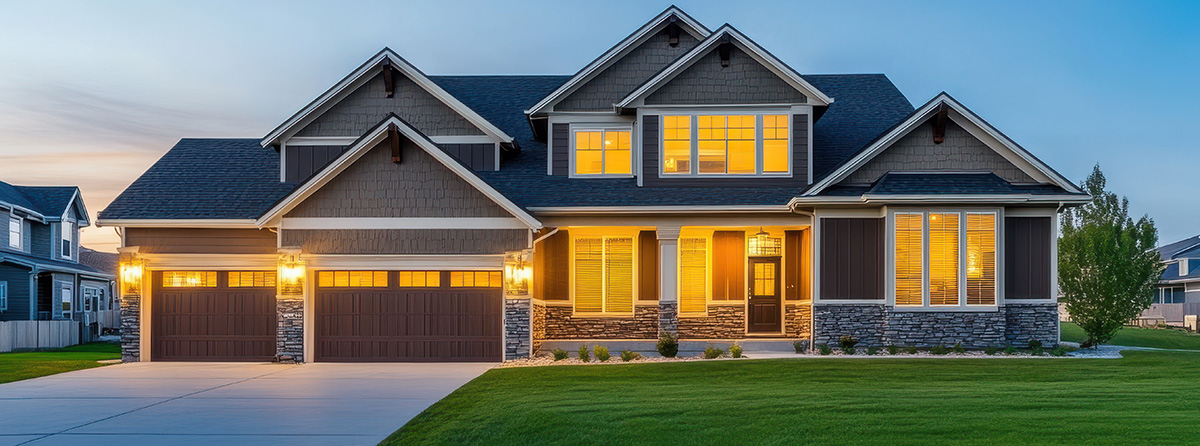
Finished concrete project at a Colorado home

Need Stained & Colored in Centennial?

Get a free, no-obligation estimate from a crew that knows Colorado soil, Colorado weather, and how to finish concrete that lasts.