
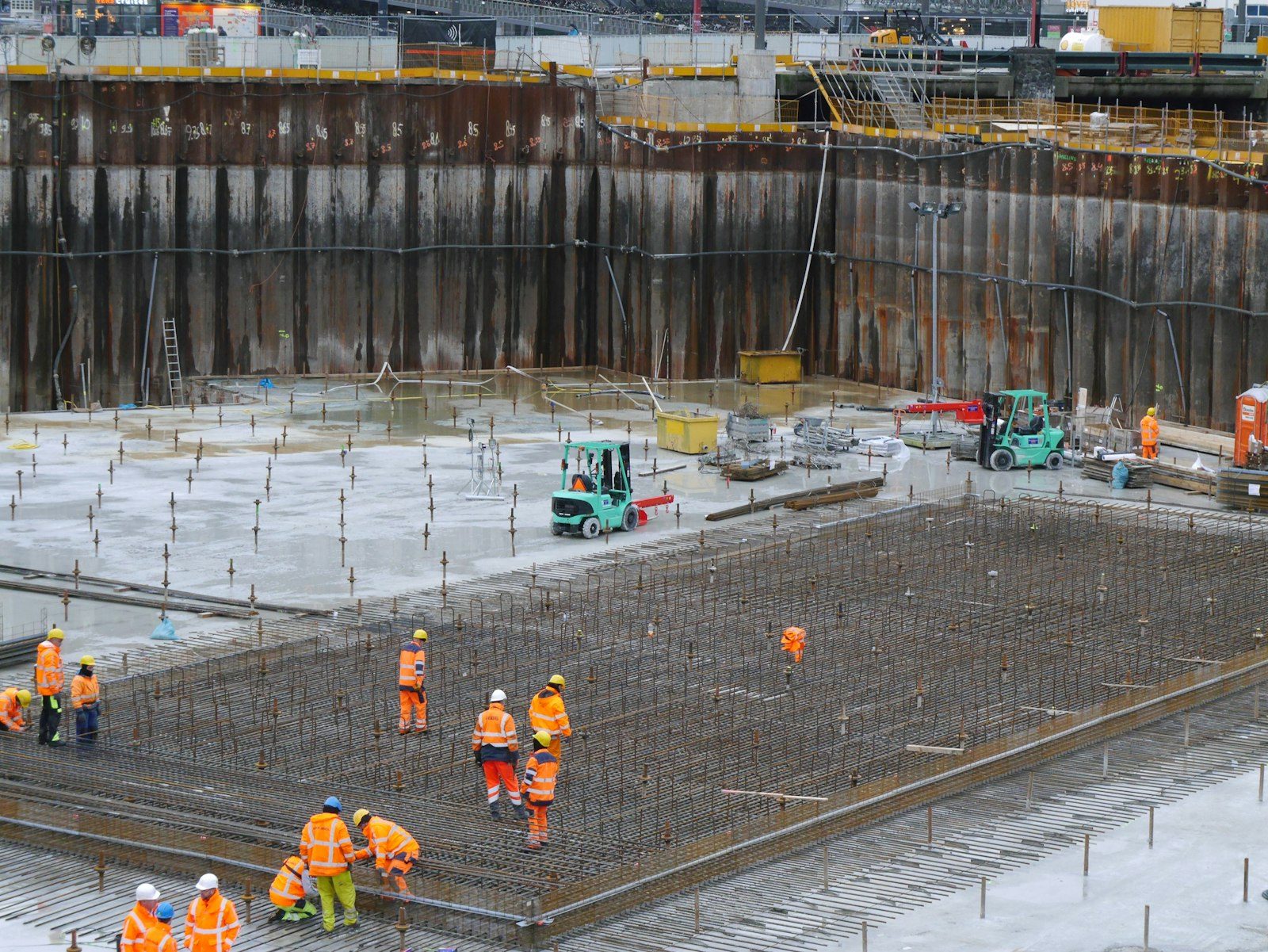
Brick tells on a house. So does a porch beam, a garage door, and a walk that used to be flat.
Whatever a builder set level in Walnut Hills or Foxridge decades ago is still supposed to be level. Mortar joints are a ruler somebody left running across the front of your house, and when something under them gives up, they stop tracking straight. You can read that from the sidewalk with your hands in your pockets.
That's how most footing and pier calls here start. Somebody noticed a line that used to be true, or a post doing something new, and wants a straight answer about what's under it. Sometimes it's a support that never reached decent ground. Sometimes it's a downspout that has soaked one corner for thirty years. The evidence is outside, so outside is where we start.
| The line | When the support settles | When the ground pushes up |
|---|---|---|
| Mortar joints in brick veneer | Stair-step cracking that widens toward the low corner | Tight vertical cracks, sometimes mortar squeezed proud mid-wall |
| Garage header and door opening | A wedge of daylight opens at one jamb | The door binds at the top or drags on one side |
| Porch beam and gutter | Beam dips toward one post, gutter holds standing water | One post rides high and the roof crowns above it |
| Exposed band of foundation | The band shrinks at the end that dropped | The band grows and trim starts pulling away above it |
| Deck ledger and rail | Deck tips away, gaps show at the ledger | Outboard posts lift and the deck tilts back toward the siding |
| Walk beside the house | Slabs step down and a lip catches your shoe | Slabs tent at a joint and rock underfoot |
Around here, a heavy building tends to go down and a light one tends to come up. A house loaded with framing, brick, and furniture presses on soil that loses strength when it stays wet. A deck post or a stoop weighs almost nothing by comparison, so when the ground under it takes on water and gains volume, it just lifts what's sitting there.
Both problems trace back to the same short list. Gutters that dump beside the house. Grade that has settled into a trough along the wall over thirty years. A sprinkler zone throwing water at the foundation four mornings a week. In Homestead and Piney Creek, where landscaping has had decades to mature and the original grading vanished under mulch, that's nearly every call. Fix the water and the ground settles down. Skip it and the best pier work just moves the problem to the next post.
Send a photo taken from the end of the wall looking down its length, then call (303) 569-4046. That angle shows movement a straight-on shot hides.
We measure. Floor elevations get shot with an instrument so the numbers are numbers instead of impressions. Cracks get width readings and a date. Then we open an inspection pit beside the suspect support, because how deep the original footing goes and what it bears on decides everything after. A porch column on a shallow pad poured in topsoil is a different repair than one on a proper footing that water undermined.
Only then do we talk about method. Sometimes it's helical piers turned down until torque says we've found capacity. Sometimes a drilled pier and a new cap. Sometimes we shore, dig out, and pour a wider spread footing at the right depth, which is often the cheapest honest answer under a light structure. Once in a while our engineer tells you to spend the money on drainage instead. We're fine delivering that.
We drill and pour year round. Frozen ground is slower to get through and the first couple of feet come out in chunks, but below that the auger finds the same soil it would find in June. What we won't do is set a footing on frozen material or pour into a hole with water standing in it, and both are common in a Front Range February.
Fall is the sweet spot. The ground is dry, holes hold their shape, and a yard recovers before winter. Late spring is the season we push back on, since saturated soil digs sloppy and reads misleading. Symptoms in April are often the year at its worst rather than the structure at its worst.
Still unsure about something?
Call the crew at (303) 569-4046 and we will talk it through.
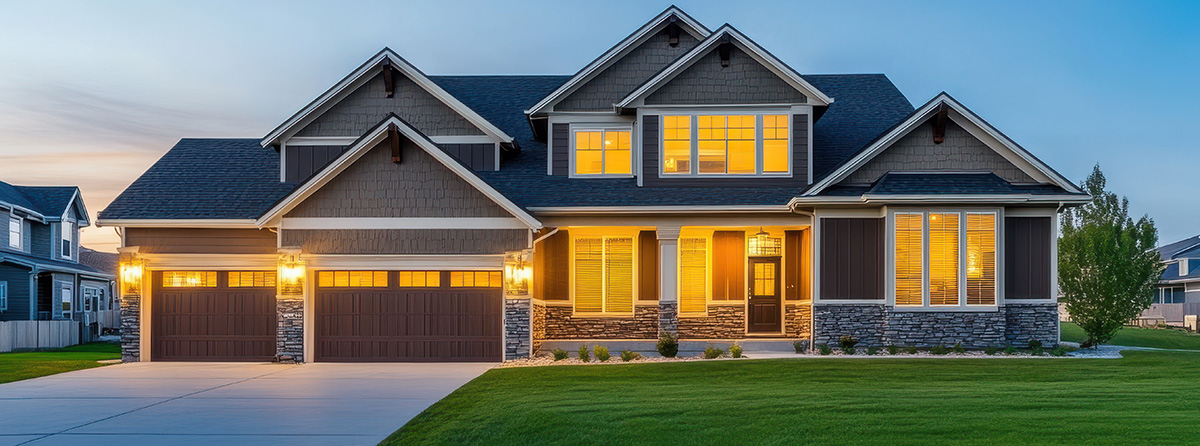
Get a free, no-obligation estimate from a crew that knows Colorado soil, Colorado weather, and how to finish concrete that lasts.
Accessibility
Adjust the site to fit how you read and browse. Your choices are saved on this device.