
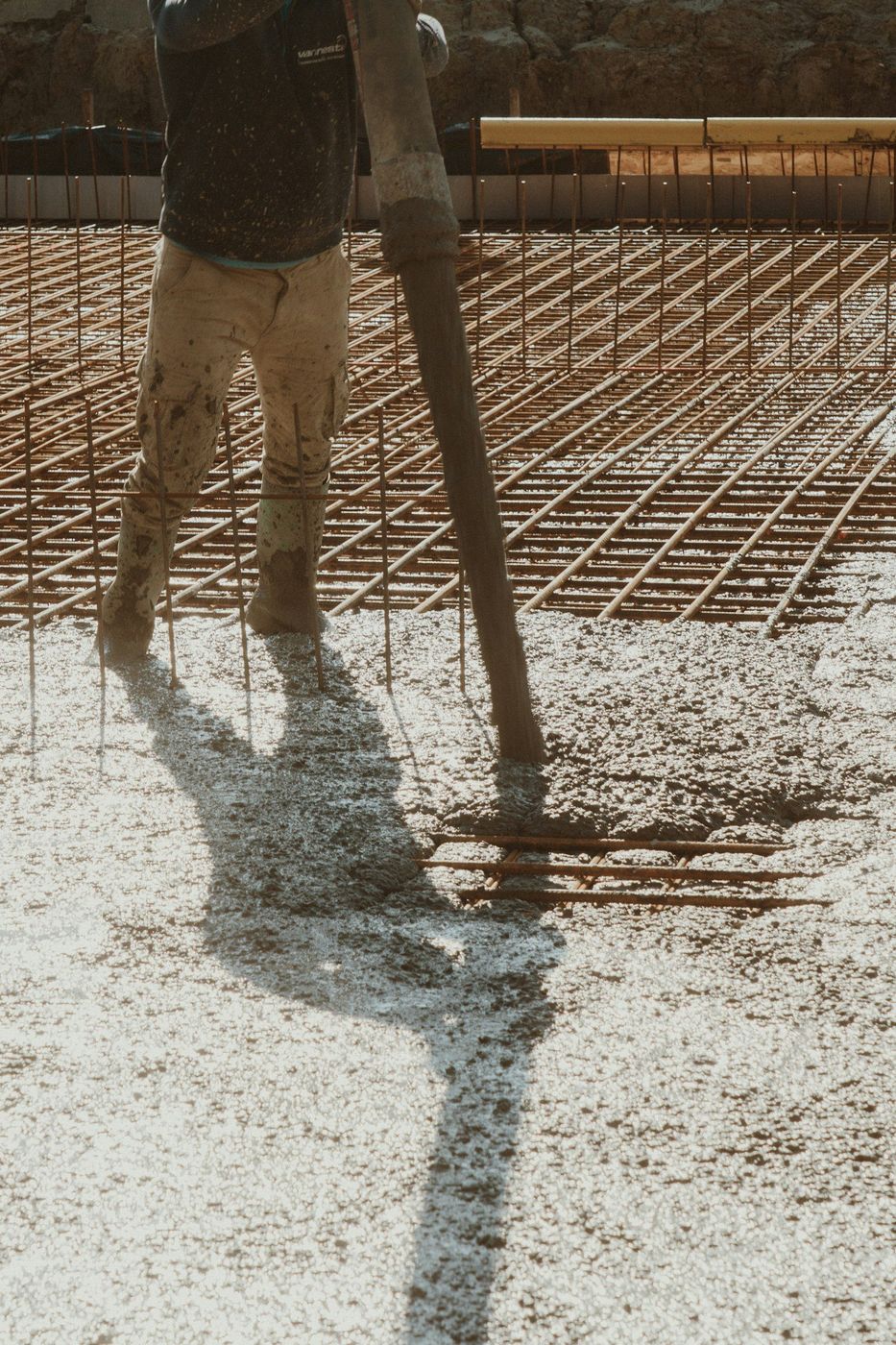
Five surfaces sit between the street and your front door, and they don't all want the same texture.
Five different surfaces sit between the street and your front door, and they don't all want the same texture. The apron takes the plow and everything the road throws at it. The driveway field takes tires and sun. The walk takes ice in the shade. The landing takes wet shoes. The steps take all of it at once, and they're the ones that hurt when the texture is wrong.
Builders working fast give the whole run one broom and move to the next lot. That's why so much of the original flatwork around Centennial reads identical from the curb, and why the failures turn up in the same spots street after street. A finish isn't decoration. It's the wearing surface, chosen inside a short window while the concrete is still soft, and you look at the result every time you pull in.
| What shows from the curb | The finishing decision behind it | Can it be fixed now |
|---|---|---|
| Fine gray powder on your shoes | The surface got closed while bleed water was still on it, trapping that water in the top layer | Sometimes. A densifier tightens a mildly dusting slab. Bad cases want a new surface |
| Chalky patches flaking off in thin sheets | Scaling, nearly always deicer on concrete finished wet or never air entrained | Resurfacing while it's shallow and the slab is sound. Replacement once it goes deep |
| One panel darker than its neighbors | Different truck, different water in the load, or a panel finished hours later | It evens out across a couple of seasons. Color or sealer speeds it along |
| A front walk that goes slick the moment it's wet | Steel troweled smooth where a broom belonged | Yes. Grinding, or a bonded topping with texture worked into it |
| A puddle still sitting on the landing two hours after rain | Slope missed during finishing, or forms set dead flat | Only by adding material or replacing the panel. No texture moves water |
Here's how we spec a front-of-house set. The driveway field gets a medium broom pulled across the direction of travel, since tires want grip and a heavier broom just collects grit you'll never sweep back out. The apron gets that same texture and the better concrete, because it eats everything the street delivers. The walk gets a finer broom, comfortable underfoot but never so smooth that it becomes a problem on the north side of the house in February.
Landings and steps are where we get fussy. A landing gets slope, a slightly finer texture, and edges tooled clean. Treads get the broom run parallel to the step so a boot crosses the lines instead of following them, and the nosing gets rounded, because a sharp edge is first to break off after a few hard freezes. Trowel smooth belongs indoors. That's the whole rule.
We spec texture surface by surface, not one broom for everything. Free estimates. Call (303) 569-4046.
Everything that decides how your concrete looks happens between the truck pulling away and the crew loading up. Bleed water has to rise and leave before anybody closes the surface. Close it early and that water is trapped underneath, which is how a slab ends up shedding dust for the rest of its life. Wait too long and the concrete has gone past the point where a broom leaves a clean line.
Our air is dry and the sun is direct, so that window runs shorter here than it does most places, and it shifts hour by hour. A pour starting at seven behaves nothing like one starting at eleven. Wind moves it too, which is why a breezy day can be rougher on a finish than a hot one. We size the crew around the window rather than the square footage, and in summer we start early instead of fighting the afternoon.
Most of our finish work in Walnut Hills and Foxridge lands next to concrete that's already been through plenty of winters, and the request is usually some version of make it match. Texture we can get close on. Color is another story, since a fresh slab starts pale and needs a season or two to settle toward the tone around it.
Where we can help is choosing where new work stops. Ending at a joint, a step, or a change of direction lets the eye read two surfaces rather than one bad seam. In Piney Creek and Southglenn, where replacement often happens a panel at a time, that decision matters more than the broom does. We pour spring through fall, and cold-weather work goes in over unfrozen ground with heated water and blankets, or it waits.
Still unsure about something?
Call the crew at (303) 569-4046 and we will talk it through.
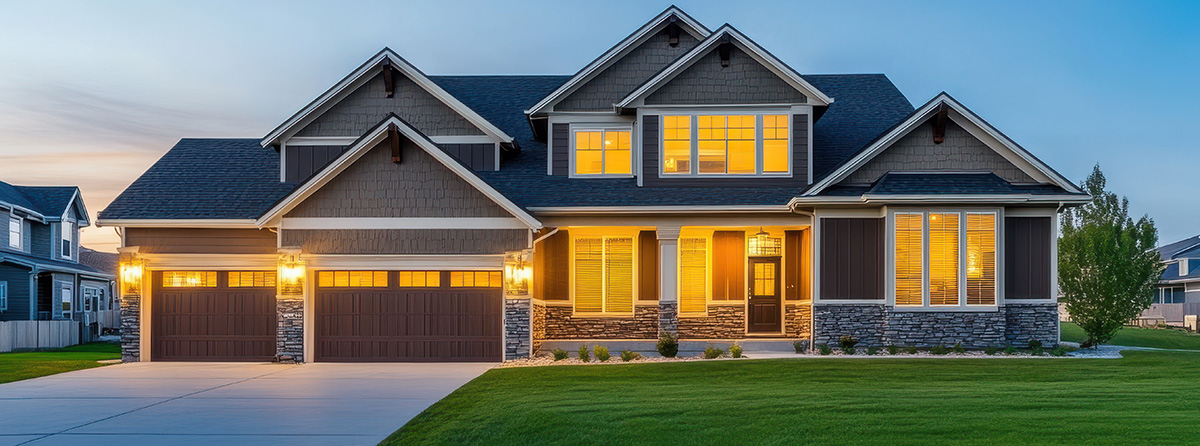
Get a free, no-obligation estimate from a crew that knows Colorado soil, Colorado weather, and how to finish concrete that lasts.
Accessibility
Adjust the site to fit how you read and browse. Your choices are saved on this device.