
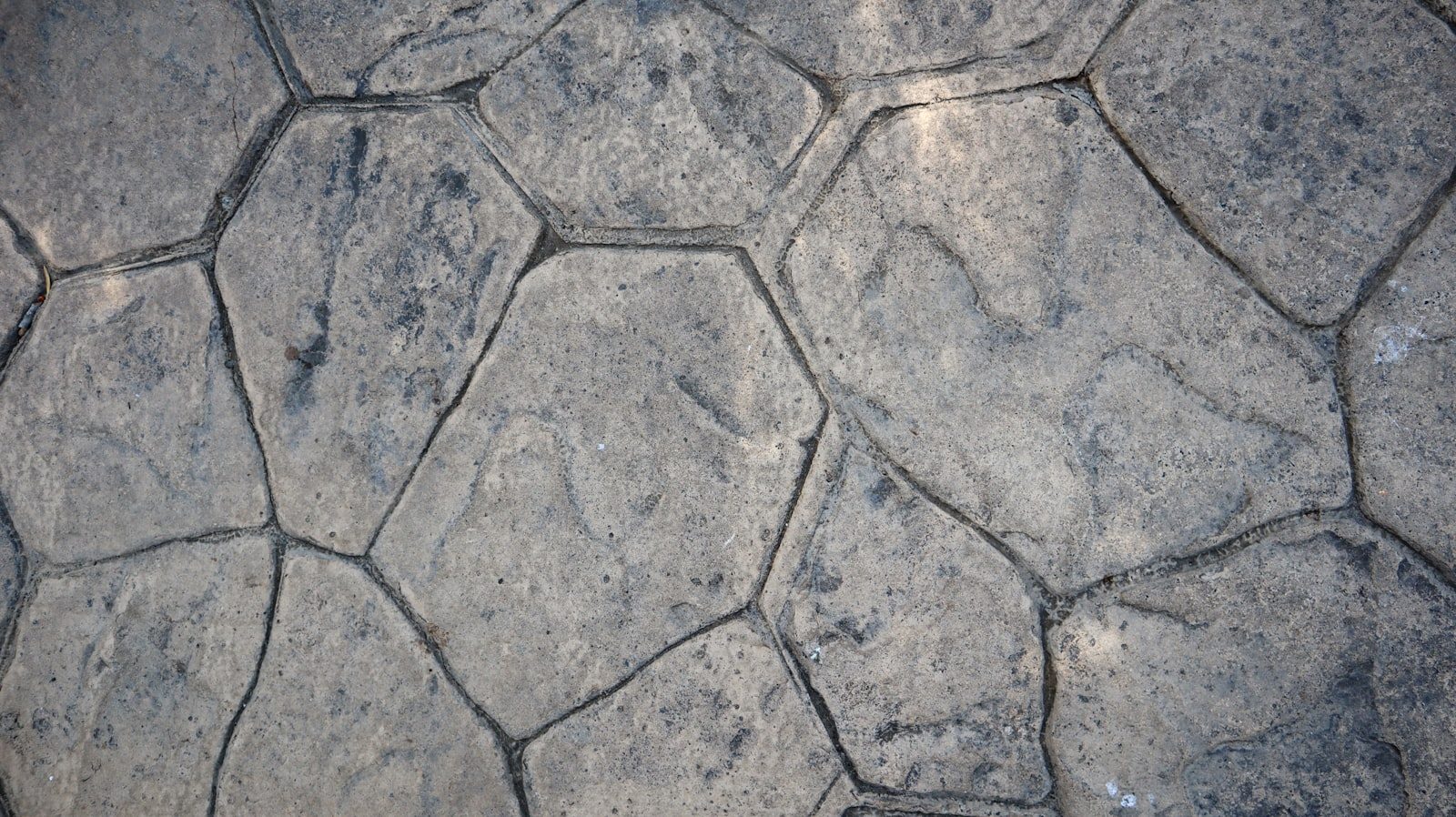
Stone and slate looks that keep their color under high-altitude sun.
Two kinds of Castle Rock homeowners call us about stamped concrete, and the town's growth story explains both. The first bought new in The Meadows or Crystal Valley, got the builder's plain gray postage-stamp patio, and wants a backyard that finally matches the house. The second has been in Founders Village or Plum Creek for twenty-plus years, watched an original patio or walkway age out, and figures the replacement might as well be something better than what came out.
Both calls end at the same place: concrete textured and colored to read as slate, flagstone, or cobble at a fraction of what the quarried version runs. But decorative work at 6,224 feet plays by house rules. The sun up here bleaches pigment that isn't defended, and the freeze-thaw grind that cracks plain slabs doesn't spare pretty ones. We build stamped surfaces for those conditions specifically, and we'll tell you exactly what the upkeep involves before you sign anything.
In the newer neighborhoods, Crystal Valley, Sapphire Pointe, Cobblestone Ranch, most stamped projects start from scratch or from a small builder pad we tear out without much ceremony. Those jobs are about design: picking a pattern that suits a modern elevation, running the texture from patio to walkway so the yard reads as one piece.
The established areas ask different questions. In Founders Village, Castlewood Ranch, and Metzler Ranch we're often replacing a plain slab that failed, which means the job is half forensic. Whatever killed the old concrete, bad base, no joints, drainage at the house, gets corrected before any stamp touches the surface. A beautiful texture over a bad base is just a prettier crack waiting to happen, and we don't sell those.
| Consideration | Stamped concrete | Pavers |
|---|---|---|
| Surface behavior | One monolithic slab; joints control where cracks go | Hundreds of units; each can shift on its own |
| Our clay soil | Rides movement as a single reinforced piece | Individual units heave and settle into ripples |
| Weeds and ants | Nowhere to come up through | Every sand joint is an invitation |
| Upkeep rhythm | Reseal every 2-3 years | Re-sand joints, pull weeds, relevel low spots |
| Repair story | Damaged areas need patching that shows some | Single units swap out cleanly |
| Design range | Continuous patterns, borders, custom color blends | Limited to the shapes in the catalog |
UV exposure climbs with altitude, and Castle Rock sits high enough that unprotected pigment pays for it. Integral color, mixed through the full depth of the concrete, is our starting point because it can't wear off; a surface-applied release color then adds the shadowed, two-tone depth that makes a stamp read as real stone. Sealer locks both in and takes the UV hit on their behalf.
Winter is the other test. Freeze-thaw cycles that pop the surface off plain slabs will do the same to stamped ones, so the mix underneath is the same 4,000 PSI air-entrained recipe we use on any exterior pour, over compacted base, with steel where the application calls for it. And keep deicers away from a stamped surface in its first winter; magnesium chloride will eat the texture you just paid for. Sand works fine for grip.
We bring sample boards and color chips to the free estimate, so you're choosing from real texture, not a catalog photo. Call (303) 569-4046 to set it up.
Here's the deal we give every customer up front. Stamped concrete asks one thing of you: reseal it every two to three years. Do that, and the color stays rich, water stays out of the texture, and the surface handles our winters like any well-built slab. Skip it for a decade, and the sun dulls the color while moisture works at the detail. It's an easy afternoon of maintenance, we'll spec the product, or you can put us on a reminder list and we'll come do it.
On timing the install: May through October gives stamping the friendliest weather, since the crew needs the surface workable long enough to place and texture every stamp before set. Shoulder-season pours work great. Deep winter stamping is possible between fronts with heated water and blankets, but the workable window shrinks, so we're choosier about the forecast. Frozen ground stops everything; we don't pour over frost, decorative or not.
You can spot the stamped patios that never got resealed from across the yard; the color's gone flat and gray in the high spots. Then you see one that got its coat every couple years, and a decade in it still looks like the day we pulled the stamps. Same product. Different owners.Our crew lead, after the walkthrough
Still unsure about something?
Call the crew at (303) 569-4046 and we will talk it through.
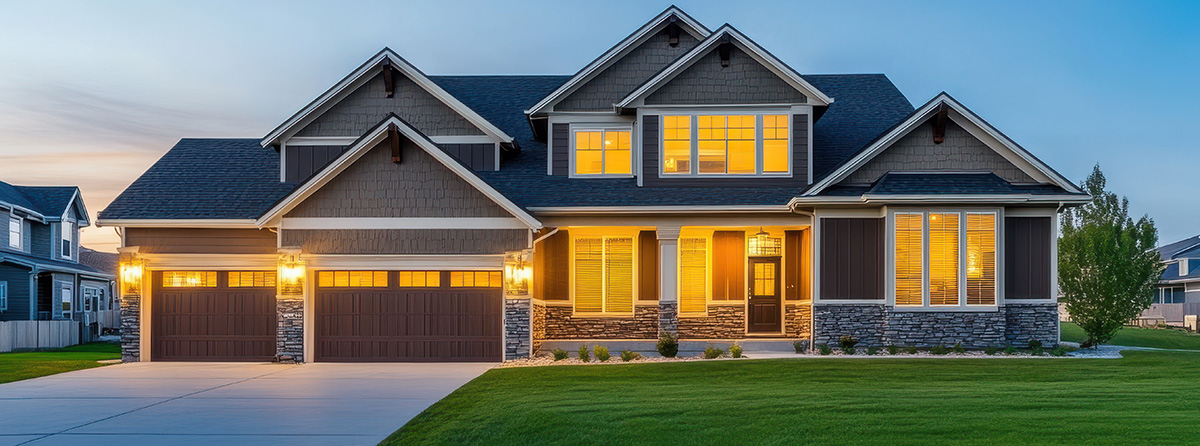
Get a free, no-obligation estimate from a crew that knows Colorado soil, Colorado weather, and how to finish concrete that lasts.
Accessibility
Adjust the site to fit how you read and browse. Your choices are saved on this device.