
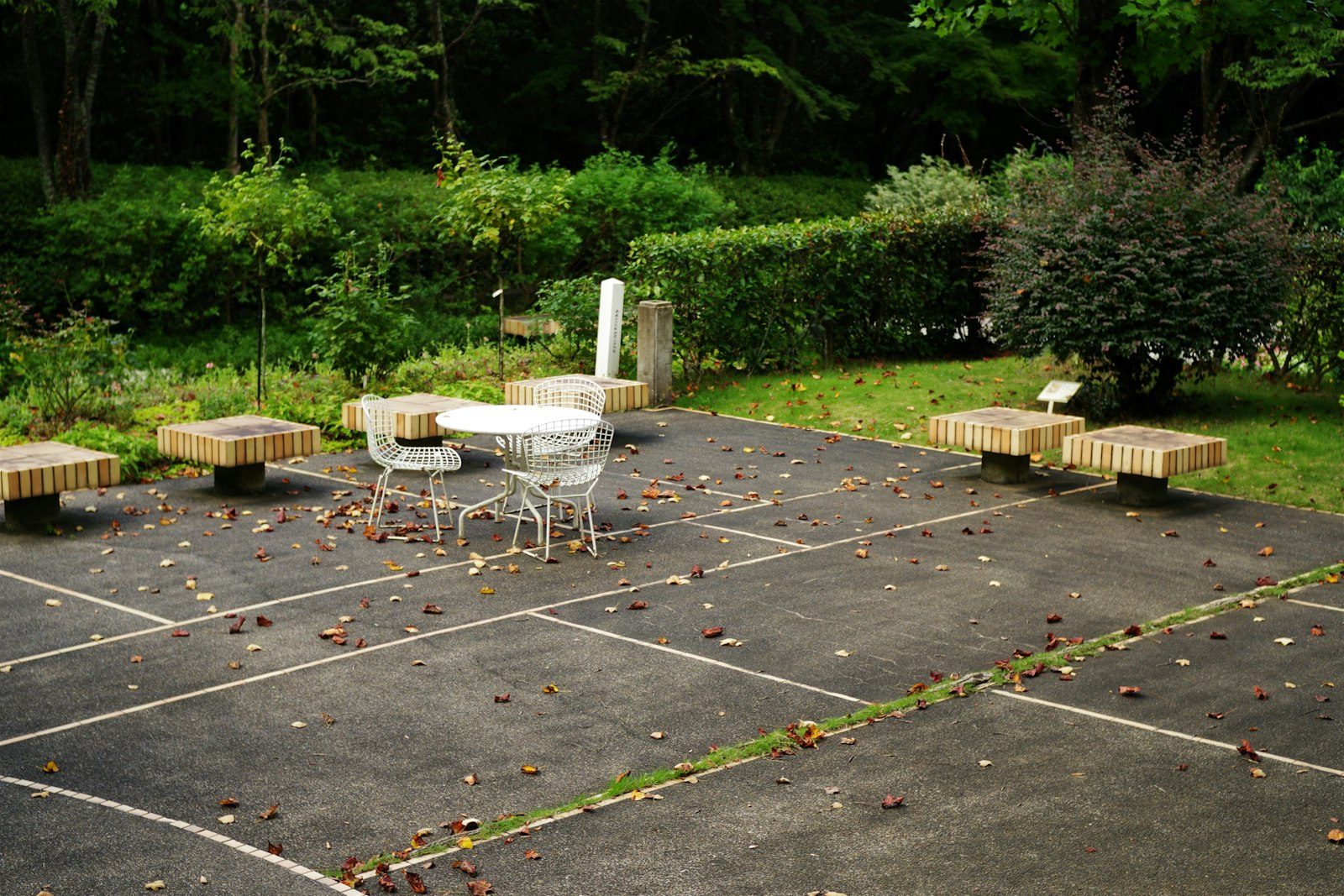
Acid and dye color that reacts into the slab itself, then gets sealed to survive our sun.
Late October in Castle Rock. Sun drops behind the ridge by six, the patio goes cold, and every gray slab on the block reads like a parking lot. That's the week our phone lights up about stain. A floor that looks flat and tired under low autumn light turns warm and layered once acid gets into it, and you keep the concrete you already paid for.
We color patios, entry walks, basement floors, and garage aprons all over town, from newer pours out in Sapphire Pointe to slabs in Founders Village that predate half the neighborhood. Stain is not paint. It's a chemical reaction with the concrete, and that distinction is why it holds up at 6,224 feet where a film of colored plastic blisters off in three summers.
Acid stain is metallic salt dissolved in a weak acid. You brush it on and it doesn't sit there waiting to be scuffed off. It bites a little way into the cement paste, finds free lime, and drops mineral deposits inside the top layer of the slab. Permanent. Also unpredictable in the way people end up loving, because every floor carries a record of how it was troweled and where somebody patched it in 2011. The color follows that record. We plan the job around it instead of fighting it.
Water-based dye covers the rest of the range. Fine pigment in a carrier, no reaction, and it gives us blues, greens, and clean blacks that acid chemistry simply cannot make. Plenty of our jobs use both. Acid lays down a mottled base tone, dye deepens a field or draws an accent band, and sealer goes over everything. The sealer pulls the depth forward. Without it a stained slab looks chalky and half-finished.
| Method | What it does to the concrete | Where it fits |
|---|---|---|
| Acid stain | Reacts with lime in the paste and leaves mineral color locked below the surface | Existing patios and walks where you want variation and depth instead of a flat coat |
| Water-based dye | Carries fine pigment into open pores with no chemical reaction at all | Interior floors, accent bands, and any color outside the rust and tobacco family |
| Integral color | Pigment batched at the plant so the tone runs the full thickness of the pour | New work, where a chipped corner shouldn't expose a gray scar three years later |
We'll tell you whether it will take stain well, and what tone it's likely to land on, before anybody drives out.
Stain wants dry, mild, and still. Our outdoor window runs roughly mid-May to mid-October, and honestly the shoulders of that window beat the middle. Deep summer works, but a squall can build over the Divide and land on your patio ninety minutes after we neutralize, and rain mixing with rinse water is exactly how a good floor goes blotchy. So summer stain days start at sunrise and somebody watches the sky the whole time.
Sealer runs the calendar more than the stain does. Most of what we spray wants surface temperature holding in the fifties or better for a full day, and it wants the slab genuinely dry rather than dry-looking after a cold night pulled moisture up through the pores. That knocks out most of December through March outside. Interior work never stops. Basement floors in Crystal Valley and The Meadows are a winter staple for us, because the space is conditioned, the humidity is low, and nobody is negotiating with the weather.
Then there's our sun. UV at this altitude wrecks pigment that sits on top of things. Acid stain shrugs it off because the color is mineral and lives under the surface, but the sealer above it wears thin, especially on a south-facing patio in Red Hawk with no shade anywhere. Keep the reseal cycle and the color will outlast the house.
The slabs that stain best in this town are the twenty-year-old ones. Two decades of weather opens the surface up, so the acid gets deep and the mottling comes out with range. Fresh concrete is tight and takes color light.The crew lead's read on it
Still unsure about something?
Call the crew at (303) 569-4046 and we will talk it through.
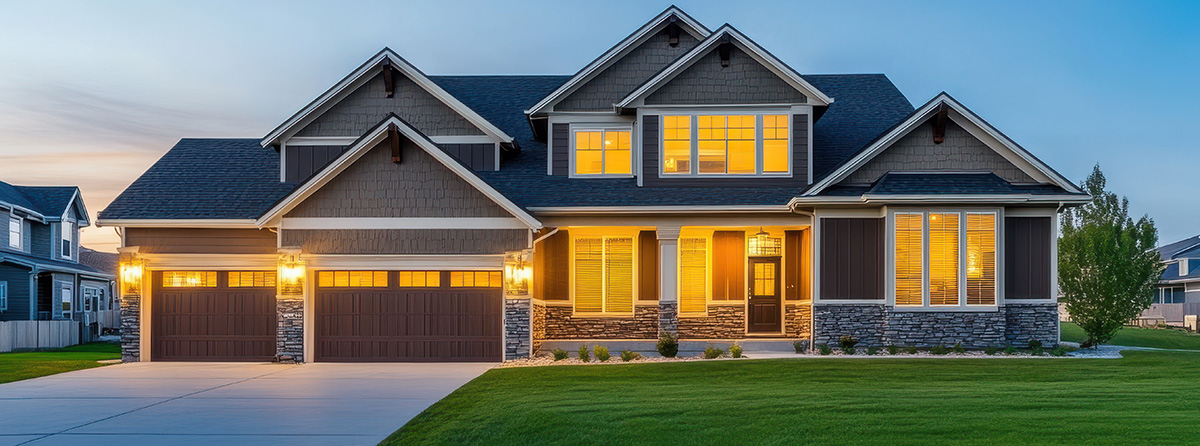
Get a free, no-obligation estimate from a crew that knows Colorado soil, Colorado weather, and how to finish concrete that lasts.
Accessibility
Adjust the site to fit how you read and browse. Your choices are saved on this device.