
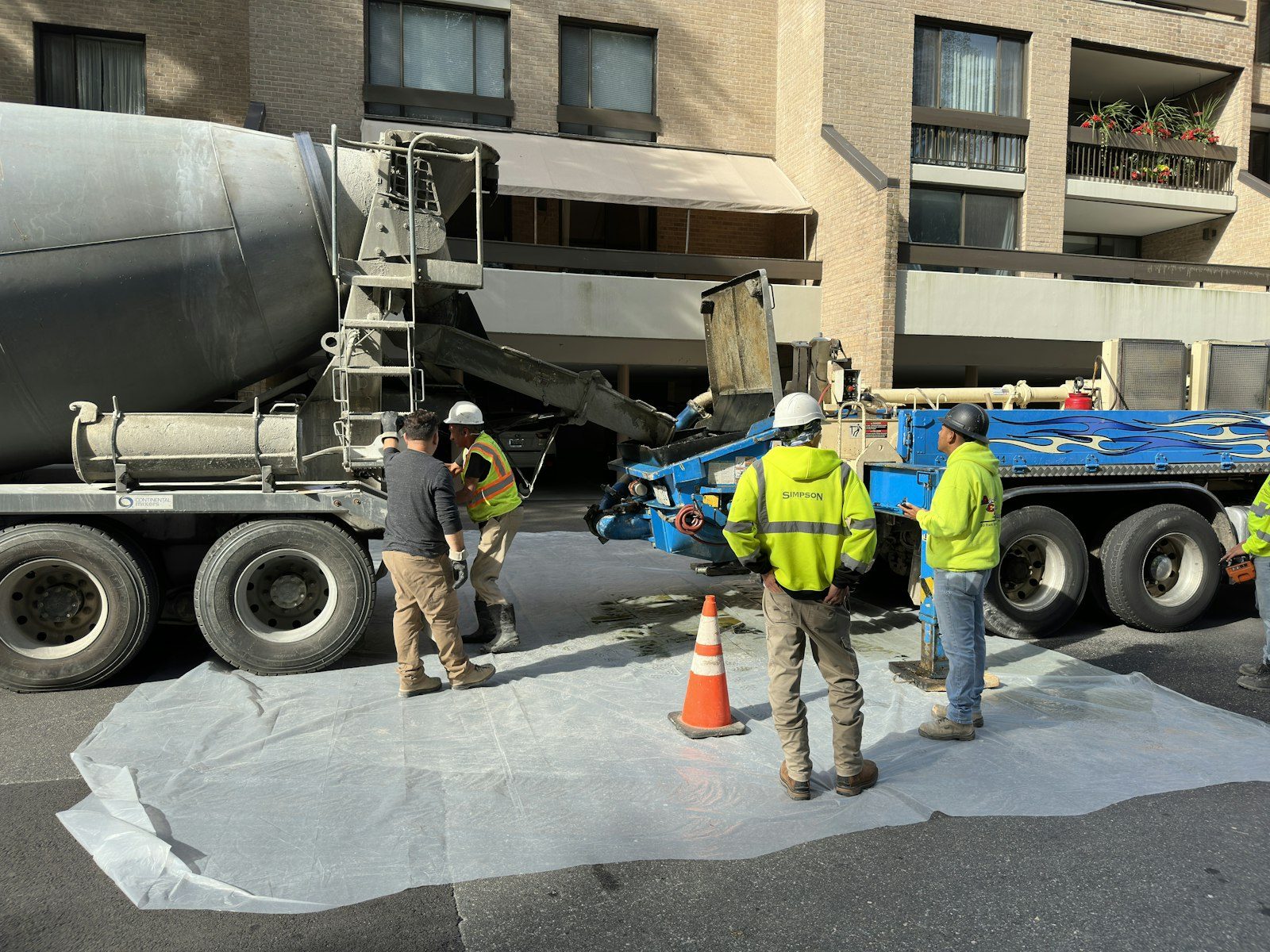
Six inches, tied steel, and an apron that survives the first time you swing the trailer in tight.
Pour day on an RV pad starts before sunrise and it's mostly over by lunch. Homeowners are always surprised by that. Weeks of planning, a couple of days of digging and forming, and then the actual concrete lands in a ninety-minute window where everybody moves fast and nobody stops to chat.
We build these all over town, mostly on the deeper lots out in Castlewood Ranch, Red Hawk, and Crystal Valley where there's room beside the house for a thirty-eight-foot fifth wheel and a truck in front of it. If you've never watched a slab go in, here's the whole day in order, start to finish, so nothing out the kitchen window comes as a surprise.
By the time the mixer is dispatched, the hard part is finished. Excavation cut to depth. Base in, rolled, and shot with a laser so it runs parallel to the finished surface instead of merely low. Forms staked and braced against the shove of wet concrete, because a form that flexes gives you an edge you'll notice every time you park.
Steel goes in last and it's the piece people undervalue. Number four bar laid out two feet each way, tied at the crossings, chaired up so it lands in the middle third of the pour. Bar hooked off the dirt mid-pour is a story crews tell themselves.
First truck rolls in early. We check the ticket, verify the mix and the air content, and start placing at the far end so nobody walks back across fresh work. Concrete goes in wet enough to consolidate and no wetter. Every extra gallon buys the crew easy minutes and costs the slab strength.
Screed, then bull float, closing the surface while it's still open. Then everybody backs off and waits. Forty minutes some days, two hours others, depending on sun and wind. Edging, jointing, and the broom all land in a narrow window once the bleed water is gone. Rush it and you trap water under the skin. Saw cuts follow that evening, laid out so no panel ends up long and skinny, because long skinny panels crack across the middle whether you like it or not.
| What you're parking | Slab thickness | What else changes |
|---|---|---|
| Small travel trailer, single axle | 5 inches | Mesh is defensible here, though we still prefer bar |
| Tandem-axle fifth wheel | 6 inches | Tied steel, plus extra length for the truck up front |
| Class A motorhome | 6 inches, thickened at the wheel paths | Jack loads get a thickened footprint underneath |
| Boat or utility trailer | 4 to 5 inches | Follow the tongue weight, not the trailer length |
| Stored on jacks year round | 6 inches minimum | Four small footprints carry it all. That drives the design |
Give us the rig length and your tow vehicle. We'll lay it out on the lot with paint and you can see it before you buy it.
Most pad complaints we get called out on aren't the pad. They're the transition. Where new slab meets your existing driveway, two pieces of concrete poured years apart move on their own schedules, and butted tight they'll spall at the seam inside a season. We separate them with expansion material and detail the joint properly.
Turning radius is the other thing to settle before anyone sets a form. A long trailer needs swing room, and if the approach makes you cut the corner you'll drop a wheel off the edge every time. Unsupported edges break first. Two extra feet of width up front saves a repair.
April through October, without much argument. If you camp, the smart play is fall. Pour once the rig comes home for the season and the concrete gets all winter to reach full strength with nothing sitting on it. Spring pours are common too, but then you're staring at a slab you can't load for four weeks while the weather is finally good.
Cold pours happen when they make sense: warmed water, an accelerator without chloride, blankets, and a close eye on the forecast. Nothing goes on frozen ground, ever. A January pad costs more and cures slower, and if the rig is sitting on dirt through the winter anyway, March usually serves you better.
The jacks are what get people. A big coach puts most of its weight on four little squares, and a slab that handles rolling tires fine will dish under those if the steel is thin. We build for the parked load.Our crew lead, after the walkthrough
Still unsure about something?
Call the crew at (303) 569-4046 and we will talk it through.
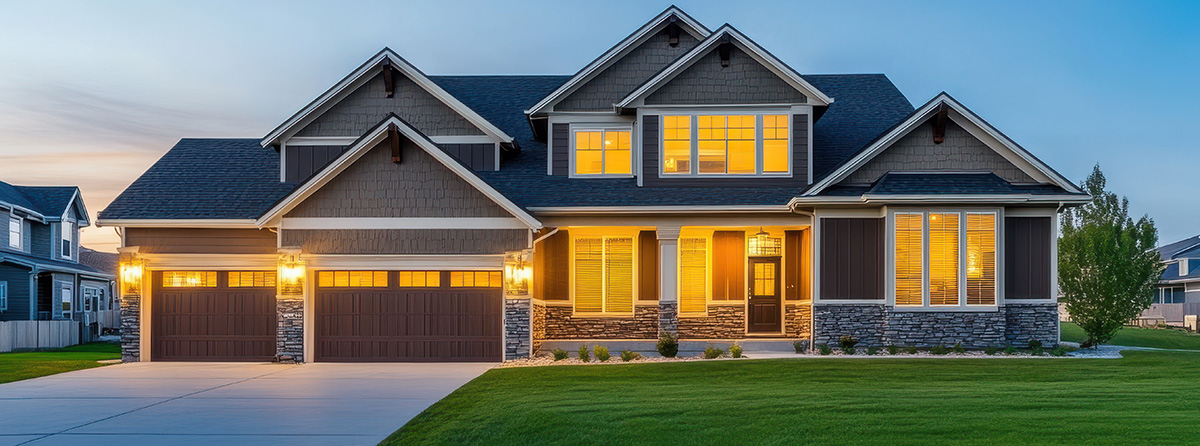
Get a free, no-obligation estimate from a crew that knows Colorado soil, Colorado weather, and how to finish concrete that lasts.
Accessibility
Adjust the site to fit how you read and browse. Your choices are saved on this device.