
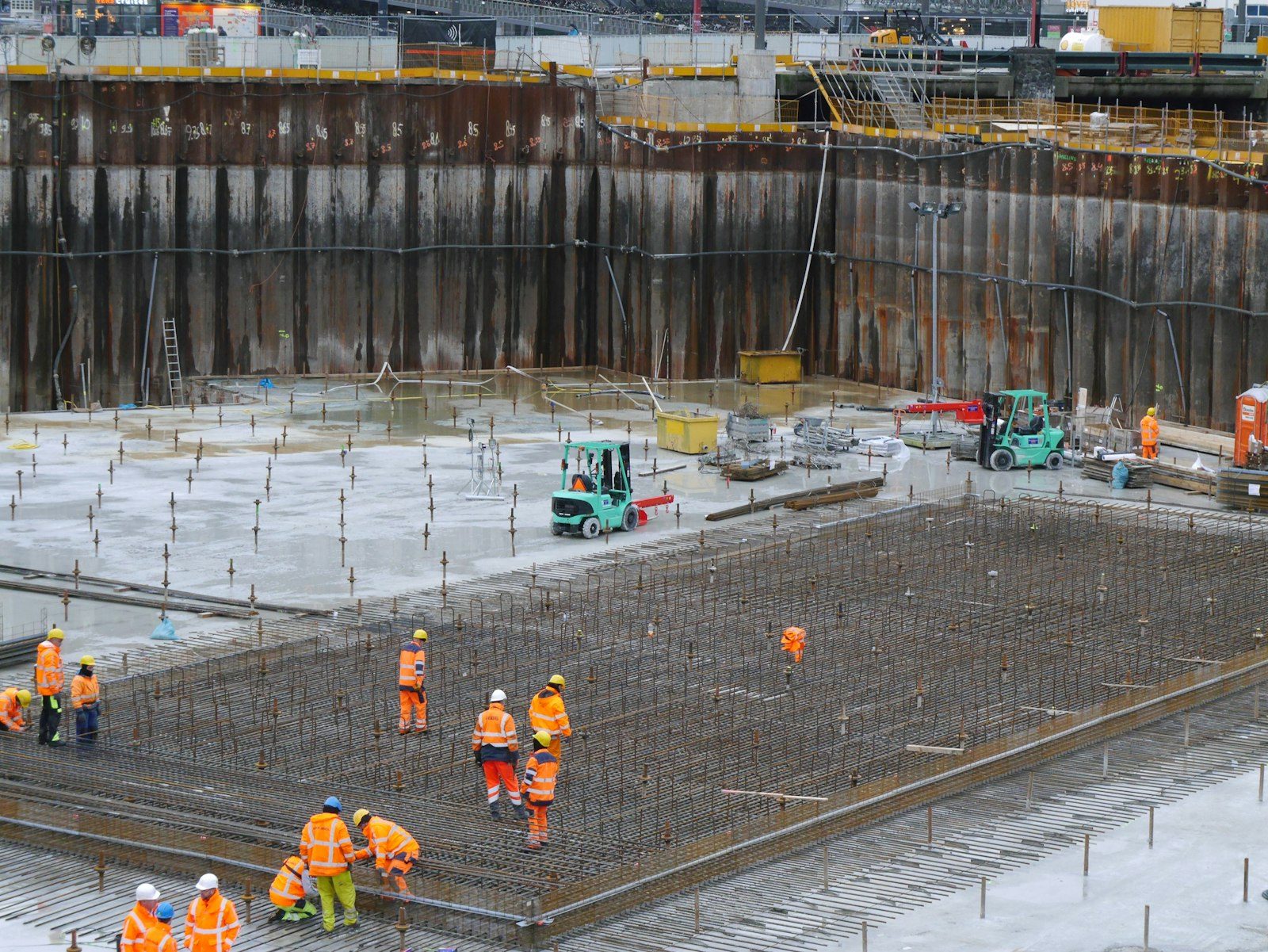
Two thirds of a sidewalk job happens before the mixer ever backs up to the forms.
Nobody picks a contractor based on what's buried under the concrete. That's the part deciding whether you're looking at this same sidewalk in twenty five years or making another call in six. Strip the topsoil. Cut to grade. Bring in road base, wet it, roll it, check it with a rod, roll it again. Only then does anybody talk about mix design.
We replace a lot of frontage walk in this town: aging runs through Founders Village and Plum Creek, fresh sections tying into newer stretches out in Cobblestone Ranch and Metzler Ranch. Here's the pattern in every tear-out. The concrete almost never failed. The six inches beneath it did, because somebody dropped a slab onto loose backfill and hoped nothing would settle.
Subgrade first. We pull the organics out entirely, because topsoil rots down and leaves voids, and a void under a sidewalk is a cracked panel with a date attached. Then we look at what's left. Soil around Castle Rock holds moisture stubbornly in some pockets and drains like a sieve twenty feet away, so we probe rather than assume. Wet spots get dug out and replaced with structural fill.
Base goes down in lifts, not one dump. Six inches placed all at once compacts on top and stays fluffy underneath, which does you no good at all. Two three-inch lifts, moisture conditioned, each rolled until the plate stops sinking. When a crew hands you a walk that failed in year three, this is almost always the step they skipped, and it's the cheapest step in the whole job.
| Material | How it behaves | Our call |
|---|---|---|
| Compacted road base | Angular, locks together, sheds water sideways to daylight | What we use, in lifts, every time |
| Squeegee or bedding sand | Easy to screed flat, but it migrates and washes out at the edges | Fine under pavers. Not under a poured walk |
| Native soil, recompacted | Holds water, softens, and gives back unevenly through the freeze months | Only where a soils report says so, and never as a shortcut |
| Recycled crushed concrete | Performs close to virgin base when it's screened and clean | Acceptable, provided the load isn't half broken asphalt |
We'll walk the line with you, mark the panels that have to go, and leave the ones that don't.
Two slopes matter on a sidewalk and they fight each other. Running slope follows the street. Cross slope moves water off the walk sideways, and where accessibility rules apply it can't exceed two percent, which is a quarter inch per foot and not a hair more. Build it flat and puddles sit frozen all winter. Build it steep and you've made a hazard of a different kind. We set string, shoot grades, and check with a smart level before the pour, not after.
Tree roots are the other conversation. Mature street trees in the older neighborhoods lift panels from below, and cutting the offending root often kills the tree. Sometimes the answer is a barrier and a rebuilt panel. Sometimes it's shifting the alignment a foot. We'd rather have that talk standing next to the trunk than surprise you with a chainsaw.
People assume a cracked sidewalk means bad concrete. Nine times out of ten we pull the panel and find a hollow underneath you could fit your arm into. The slab did its job for years bridging a hole nobody knew about. It just ran out of span.From the crew lead on these jobs
Late spring through October gives us the widest runway. Book early either way. The weeks everybody wants are the weeks the whole trade is busy, and lead time in June looks nothing like lead time in March.
Cold weather work is possible and we do it: warmed water, blankets down before dark, and an absolute rule that forms never go on frozen subgrade. What changes in winter isn't whether we can pour, it's how long the section stays fenced off. Concrete gains strength slowly in the cold, so a walk that opens in three days during August might stay closed a full week in January. Plan around that before you commit to a date.
Still unsure about something?
Call the crew at (303) 569-4046 and we will talk it through.
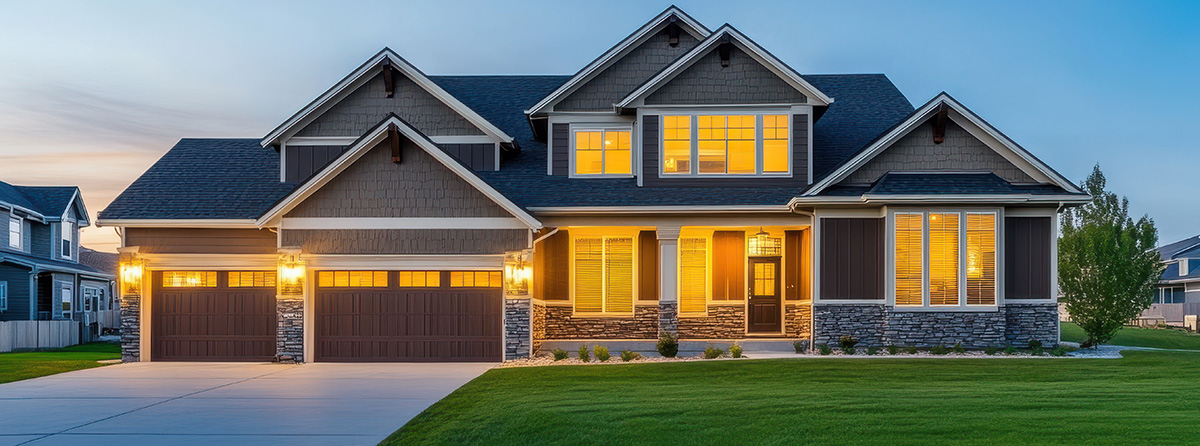
Get a free, no-obligation estimate from a crew that knows Colorado soil, Colorado weather, and how to finish concrete that lasts.
Accessibility
Adjust the site to fit how you read and browse. Your choices are saved on this device.