
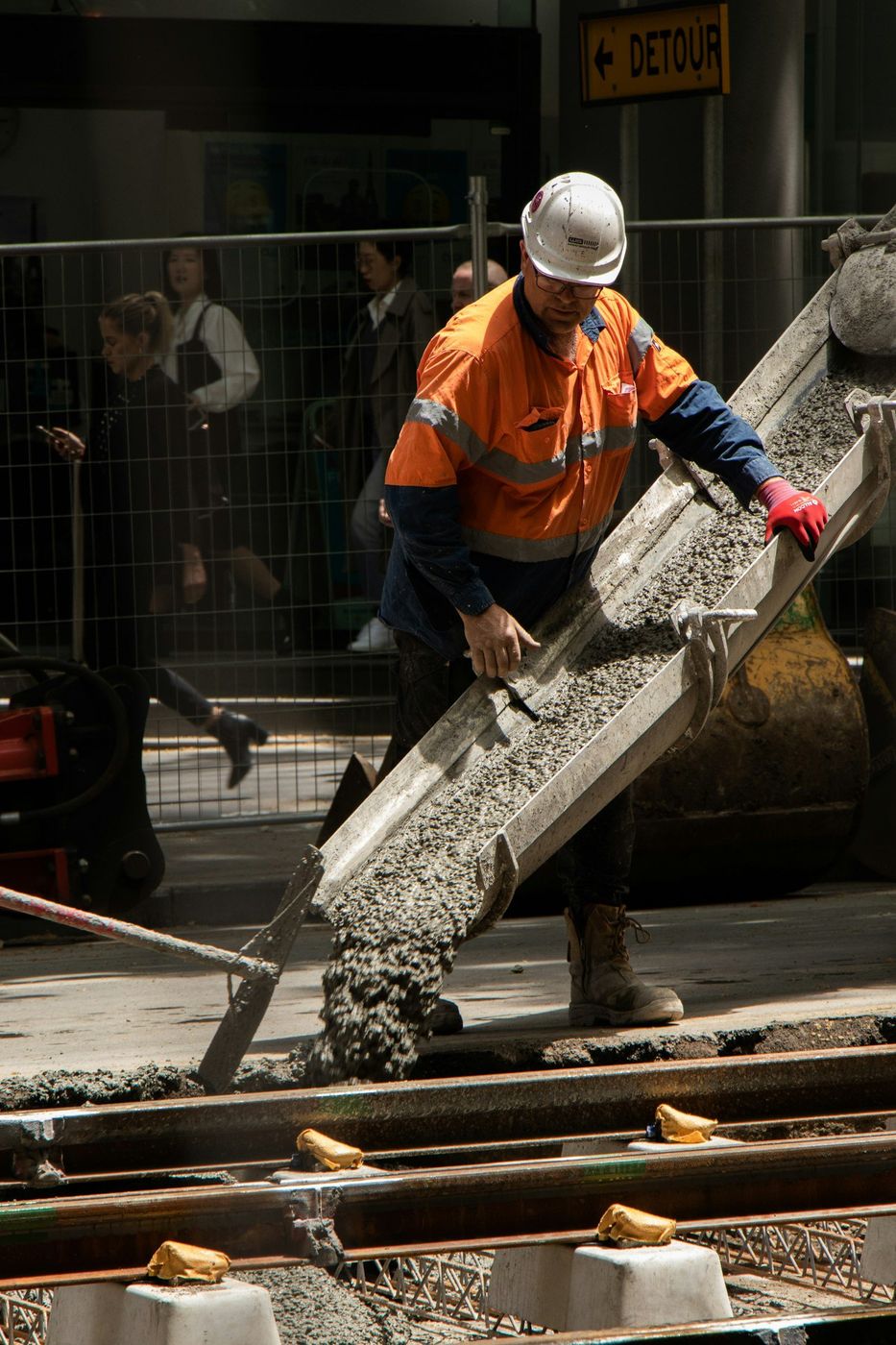
The expensive parts of a pool are the ones nobody ever sees again, which is exactly why they're the parts worth buying well.
People ask what a pool costs and then get annoyed that nobody will simply name a figure. Here's the honest reason. Two pools with the same square footage on the same street can be wildly different projects, and nearly all of that difference is buried before water ever goes in. Excavation, engineering, steel, plumbing runs, equipment, access.
What we can do is tell you which decisions actually move the number and which ones barely register, so your money lands where it does the most good. Some of what people cut to save are the cheapest items in the entire project. Some of what they add is enormously expensive and gets used four times a summer. Knowing which is which beats comparing quotes.
Excavation comes first and it's the least predictable line on the page. A pool is a large hole, and what comes out of it decides plenty. Around Hunters Glen and Quail Valley we're generally cutting Adams County clay, which holds a wall nicely but hauls heavy and loads slowly. Cobble and old fill turn up too, mostly on properties where something else was built and taken away. Spoil has to go somewhere, and moving it off a tight lot costs real money that has nothing to do with the pool.
Access is the quiet driver that catches people off guard. A backyard with a wide gate and a straight run from the street is a different job than one reached through a narrow side yard between two houses. Smaller machines, more passes, hand work, fence panels out and back in. Newer lots up around North Creek Farms are often tight that way. Older Eastlake properties have their own version: mature trees, outbuildings, and utility runs from decades ago that nobody mapped.
Then the shell and the steel, which is the part you'd never cut anyway and the part genuinely worth every dollar. After that come plumbing runs, the equipment pad, power, and every feature you decide to bolt onto the design.
| Phase | What sets the length | Where it stretches |
|---|---|---|
| Design and engineering | How settled your layout is when we begin | Reworking the shape after the drawing has been stamped |
| Excavation | Soil, spoil volume, and how equipment reaches the yard | Cobble, old fill, or a gate no machine fits through |
| Steel and rough plumbing | Shell complexity and how many features you chose | Adding a spa or a spill wall after the cage is tied |
| Shell placement | One day, nearly always | Weather. We won't place a shell into a storm. |
| Curing | Seven days of water on the concrete | Nothing shortens it. Build the calendar around it. |
| Tile, coping, and deck | Material lead times more than crew hours | Ordering finishes late, which leaves everybody standing around |
| Interior finish and startup | Plaster scheduling and water delivery | A late start that pushes you past swim season entirely |
We'll walk the yard, look hard at access and spoil, and put line items on paper. Free, and it takes about an hour.
Most of what we build is placed pneumatically. The mix gets batched at the plant, pumped through a hose, and takes its air at the nozzle. What we like about it isn't speed. It's that the water content was locked in before the material left the plant, so nobody is judging consistency by eye in your backyard. It also lets the crew carve benches, step noses, and curved walls by hand while the material is still workable, which is the entire reason to build in concrete rather than drop in something molded elsewhere.
Cast-in-place still earns its keep. Rectangles, raised walls, and vanishing edges form up cleanly, and forms are simply the better tool for straight lines. Free-form curves built conventionally get costly in a hurry, and that's a cost driver worth knowing before you fall in love with a shape.
Either method, this is an engineered structure. A pool is a rigid vessel holding many tons of water in ground that shifts with the seasons, so wall thickness, bar size and spacing, and the floor-to-wall connection all get drawn and stamped. Our structural engineer works in house, so that drawing exists early rather than getting chased during permitting. Schedule is money, and that's where it shows up.
Still unsure about something?
Call the crew at (303) 569-4046 and we will talk it through.
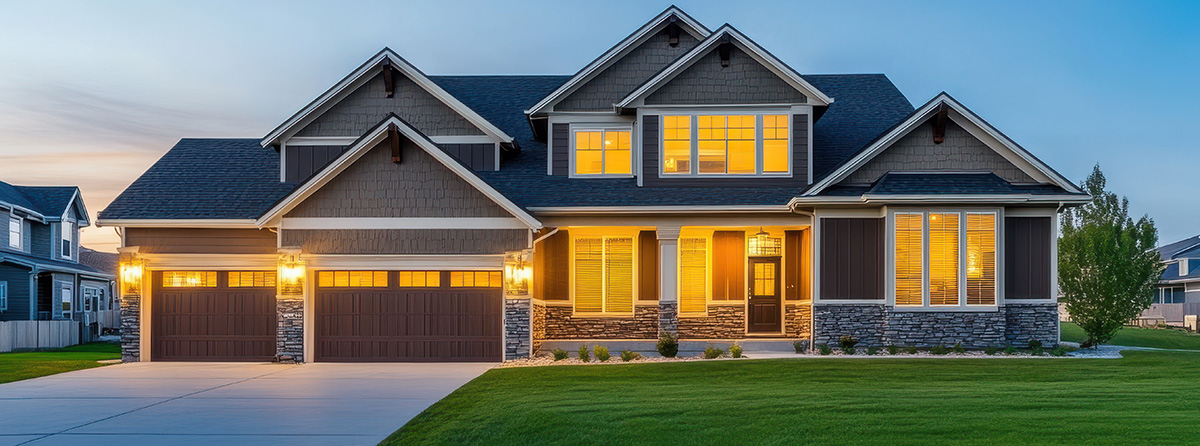
Get a free, no-obligation estimate from a crew that knows Colorado soil, Colorado weather, and how to finish concrete that lasts.
Accessibility
Adjust the site to fit how you read and browse. Your choices are saved on this device.