
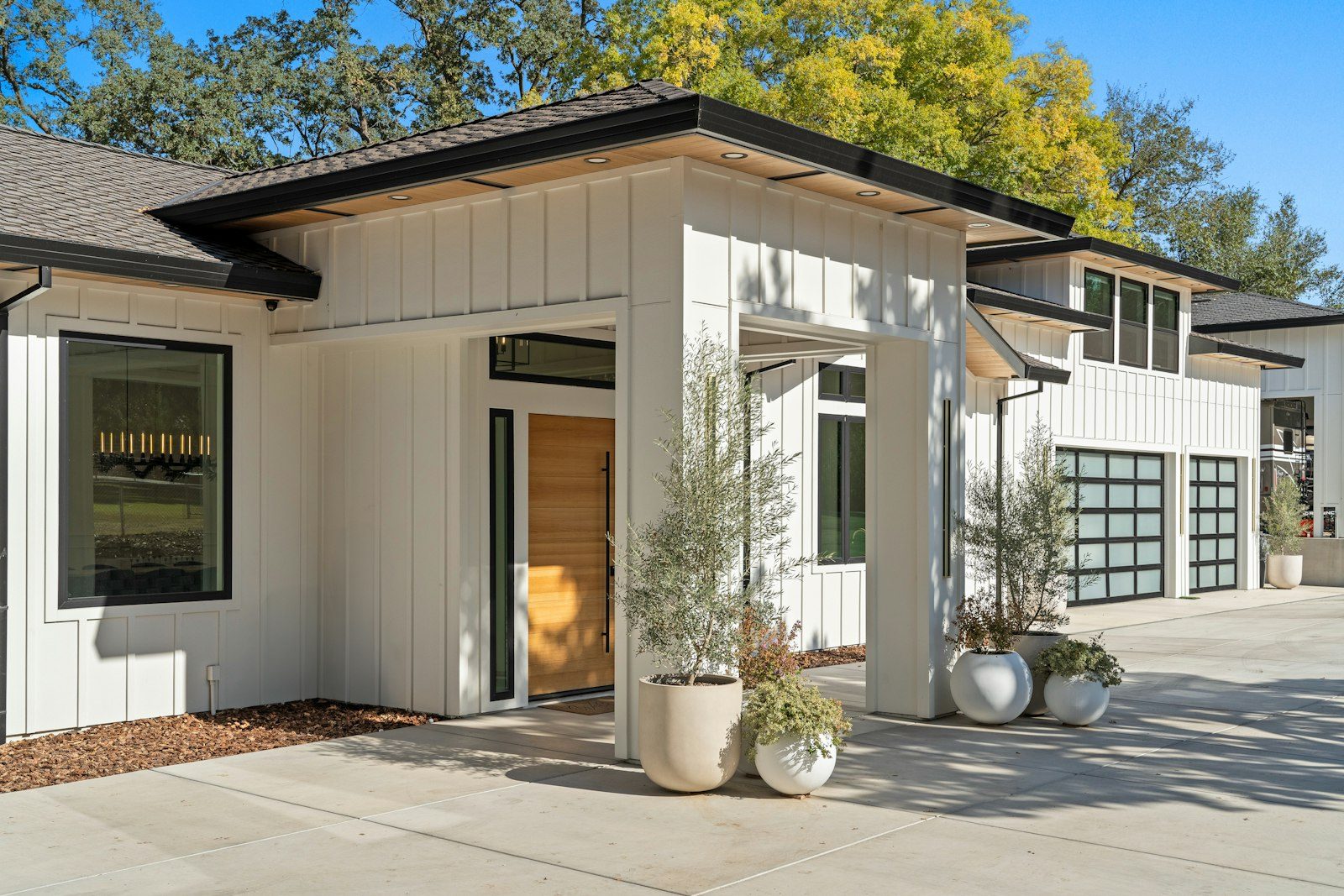
Estate approaches in Heritage Hills, builder-slab fixes in RidgeGate, and every driveway in between.
Lone Tree driveways come in two generations. Heritage Hills and Carriage Club hold the custom homes: long approaches, courtyard turnarounds, aprons sized for a fourth car, driveways that were drawn as part of the architecture. RidgeGate is the newer chapter, where production builders poured a lot of concrete on tight schedules. Both generations end up calling us. Just for different reasons.
The custom homes call because a driveway that size is a real asset, and the owner wants it maintained right, widened, or finished with a border that actually matches the house. The newer homes call because fast pours sometimes skimp where nobody can see: the base, the steel, the joint timing. We handle both sides of that split. Same crew, same standards, very different conversations at the front door.
Walk Heritage Hills and you'll notice the driveways were designed, not just poured. Wide approaches, exposed aggregate bands, curves that follow the lot. When a slab like that cracks or spalls, the repair has to disappear into the original work, and that's a craft problem as much as a concrete problem. Carriage Club runs the same direction.
Fairways and Montecito sit in the middle, with original slabs now old enough to show honest wear. And RidgeGate keeps us busy with widening projects, third-car pads, and corrections to builder-grade work. Lone Tree also has real business corridors, so we pour commercial flatwork here too: entry walks, dumpster pads, truck aprons. Different jobs. The same rules under all of them.
| Area | The usual call | What the job takes |
|---|---|---|
| Heritage Hills and Carriage Club | Estate driveways, courtyard pads, decorative borders | Large pours, sometimes split across days, with finish work that has to match the home |
| Fairways and Montecito | Original slabs showing cracks, spalling, or settled panels | An honest repair-or-replace call before anyone talks money |
| RidgeGate | Widening, third-car pads, fixing builder shortcuts | New concrete matched to the existing color and joint layout |
| Business corridors | Entry walks, dumpster pads, aprons | Truck-rated thickness and a pour schedule that works around your operation |
Start below the surface. The clay under Lone Tree swells when it's wet and shrinks when it's dry, and your driveway rides that movement every single year. A slab poured straight on that clay, with no compacted base, is a countdown. Now look up. At 5,817 feet the sun degrades cheap sealers fast, hail arrives most summers, and a winter day can cross the freeze line twice before dinner.
So the driveway that survives here isn't the thickest one. It's the one with a drained, compacted base, steel chaired up at mid-depth, an air-entrained mix, and joints cut before the slab decides where to crack on its own. That's our whole system, and we don't skip pieces of it to win a bid.
Text us a photo of your driveway and a rough size. We'll tell you what we'd do if it were ours, for free.
Late April through October is the working season on the Front Range, and early fall is our favorite stretch of it: warm afternoons, crisp overnights, and plenty of runway for the slab to reach strength before the ground locks up. Summer works too. We just pour early and keep an eye on the storm cells that build over the foothills after lunch.
Winter pours are possible with heated mix water, accelerators that don't contain chlorides, and insulated blankets over the fresh slab. What we won't do is place concrete on frozen ground. Ever. And whatever season your driveway goes in, keep ice melt off it until it's a year old. The magnesium chloride the trucks spray is rough on mature concrete and brutal on new work. Sand and a shovel get you through that first winter fine.
On the big Heritage Hills pours, the homeowner watches the finish and I watch the base. Get the grade and the compaction right and the pretty part takes care of itself. Get it wrong and no decorative border on earth saves that slab.Our crew lead, after the walkthrough
Still unsure about something?
Call the crew at (303) 569-4046 and we will talk it through.
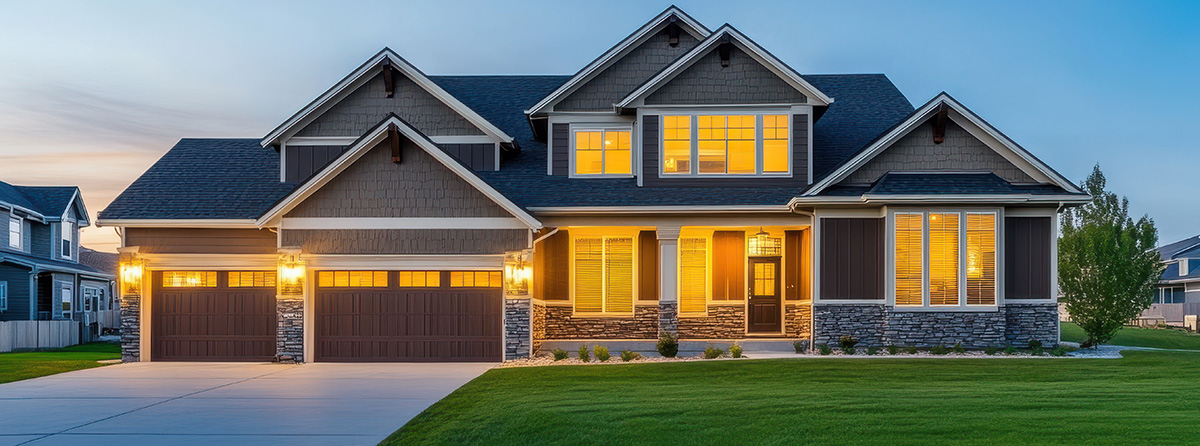
Get a free, no-obligation estimate from a crew that knows Colorado soil, Colorado weather, and how to finish concrete that lasts.
Accessibility
Adjust the site to fit how you read and browse. Your choices are saved on this device.