
Stand in the accessible stall and look toward the door. Most of what gets written up is visible from right there.
Almost every accessibility call we get here is about a building that was fine when it opened. The route was poured to whatever was normal then, the ground has been working on it for decades, and now a stall, a ramp, and forty feet of walk between them no longer add up to something a wheelchair can use. Nobody neglected it. It drifted.
The useful part is that drift leaves marks you can see from the parking lot. A ramp that's gotten steep, a landing that tilts, a gutter lip where the ramp lands, a walk heaved at one joint. We rebuild accessible routes on older commercial property in the downtown core, at suburban retail, and at community clubhouses from Columbine up to the Ken Caryl edge. Here's how to read yours before somebody else does.
First, look at where the ramp meets the pavement. A lip you'd catch a hand truck on is the most common finding on older property and the easiest one for anyone to notice. It shows up because the asphalt on the lot side settled while the ramp stayed put, so the mismatch grows a little every year until it's a step.
Second, the landing at the top. It should read dead flat in both directions, and it should be big enough that somebody can stop, turn, and pull a door open without rolling backward. Landings are where settlement shows first, since they usually sit right at the transition between fill and undisturbed ground.
Third, sight down the ramp run against the building line behind it. A run that looks steeper at the bottom means the lower end dropped. Fourth, check the walk feeding into the ramp. A perfect ramp at the end of a heaved sidewalk is still an unusable route, and inspectors look at the route, not the ramp by itself.
None of that replaces measuring. It tells you whether to call somebody and roughly what about, which is worth a lot when you're building next year's budget.
| Segment of the route | What we look at | How it typically fails |
|---|---|---|
| Accessible stall | Surface slope in both directions, striping, signage height | Stall was striped on a slope that was never flat enough |
| Curb ramp | Running slope, flare slopes, transition at the bottom | A lip forms at the gutter as the pavement settles away |
| Detectable warning panel | Presence, contrast, loose or missing domes | Set into a patch and worked loose over a few winters |
| Landing at the top | Flat in both directions, deep enough to maneuver | One corner drops and the landing starts to tilt |
| Walk run to the entry | Cross slope, joint lips, width past obstructions | A heaved joint mid-run makes the whole route unusable |
| Door approach and threshold | Level clear space, threshold height, door swing | Route pitched toward the door so water and ice collect at it |
Two forces do most of the damage. The ground moves seasonally, and the lot around the ramp settles faster than the ramp does. A concrete ramp on decent base is the most stable thing in that corner of the property, so everything else drops relative to it. That's why the lip at the bottom is the classic finding, and why fixing only the ramp leaves you the same lip in five years.
The second force is winter. Freeze and thaw work every joint on the route, and the ramp gets the most chemical treatment of anything on the property because it's the part nobody wants icy. Deicer chews the surface, water gets in deeper, and the cycle speeds up. Warning panels take the worst of it, sitting right where the shovel lands.
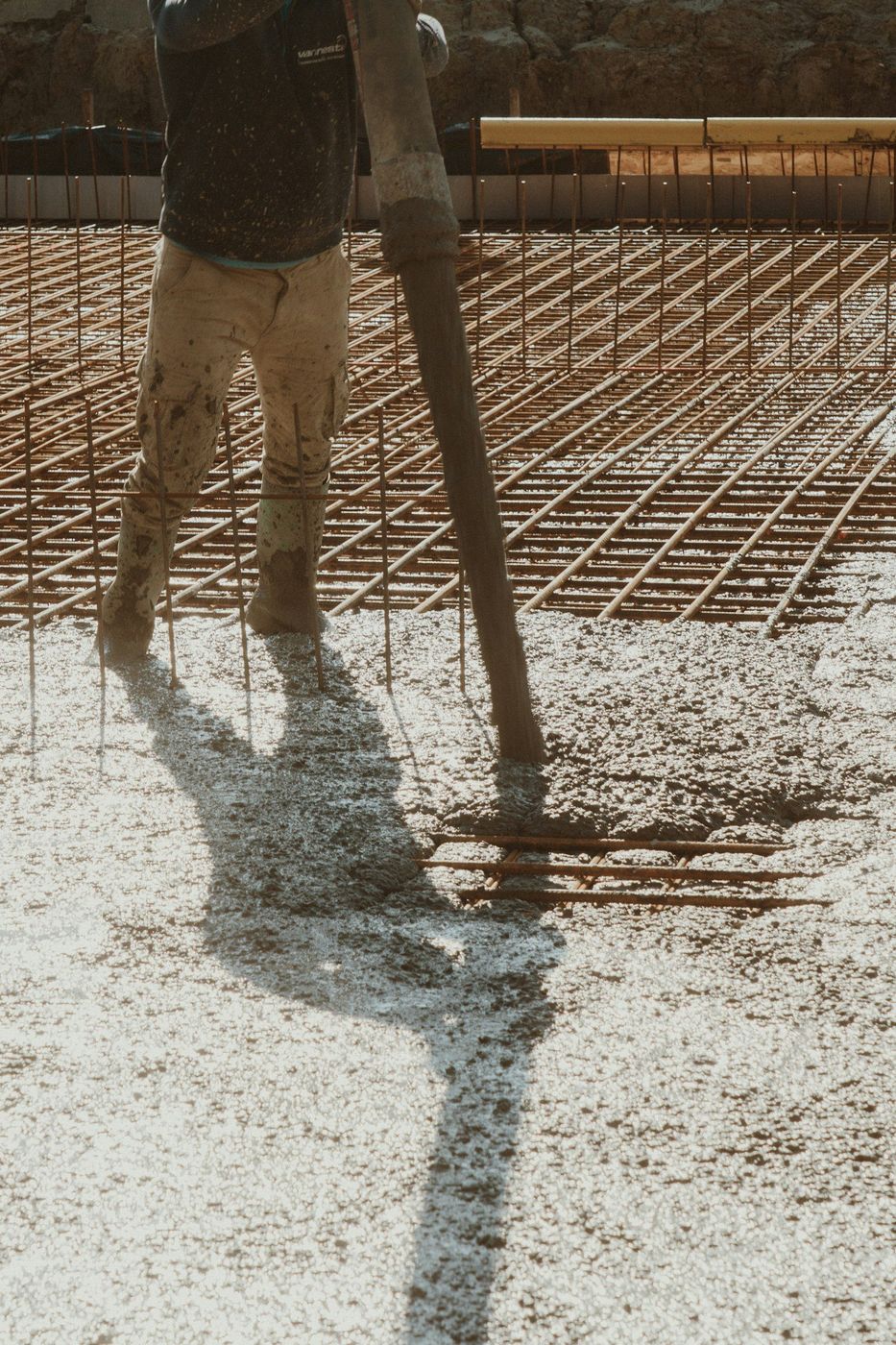
Best time for this work is late spring through early fall, and we schedule entry ramps on the slowest day of your week. Cold weather ramp pours are possible with heated water, an accelerator, and blankets, but rushing the cure on the one surface everybody has to use is a bad trade. If the finding is fresh and winter is coming, we'll usually build a temporary safe transition and do the permanent fix in spring.
Send photos from the stall, the bottom of the ramp, and the door. We'll tell you what we'd measure first.
Still unsure about something?
Call the crew at (303) 569-4046 and we will talk it through.
Get a free, no-obligation estimate from a crew that knows Colorado soil, Colorado weather, and how to finish concrete that lasts.
Accessibility
Adjust the site to fit how you read and browse. Your choices are saved on this device.