
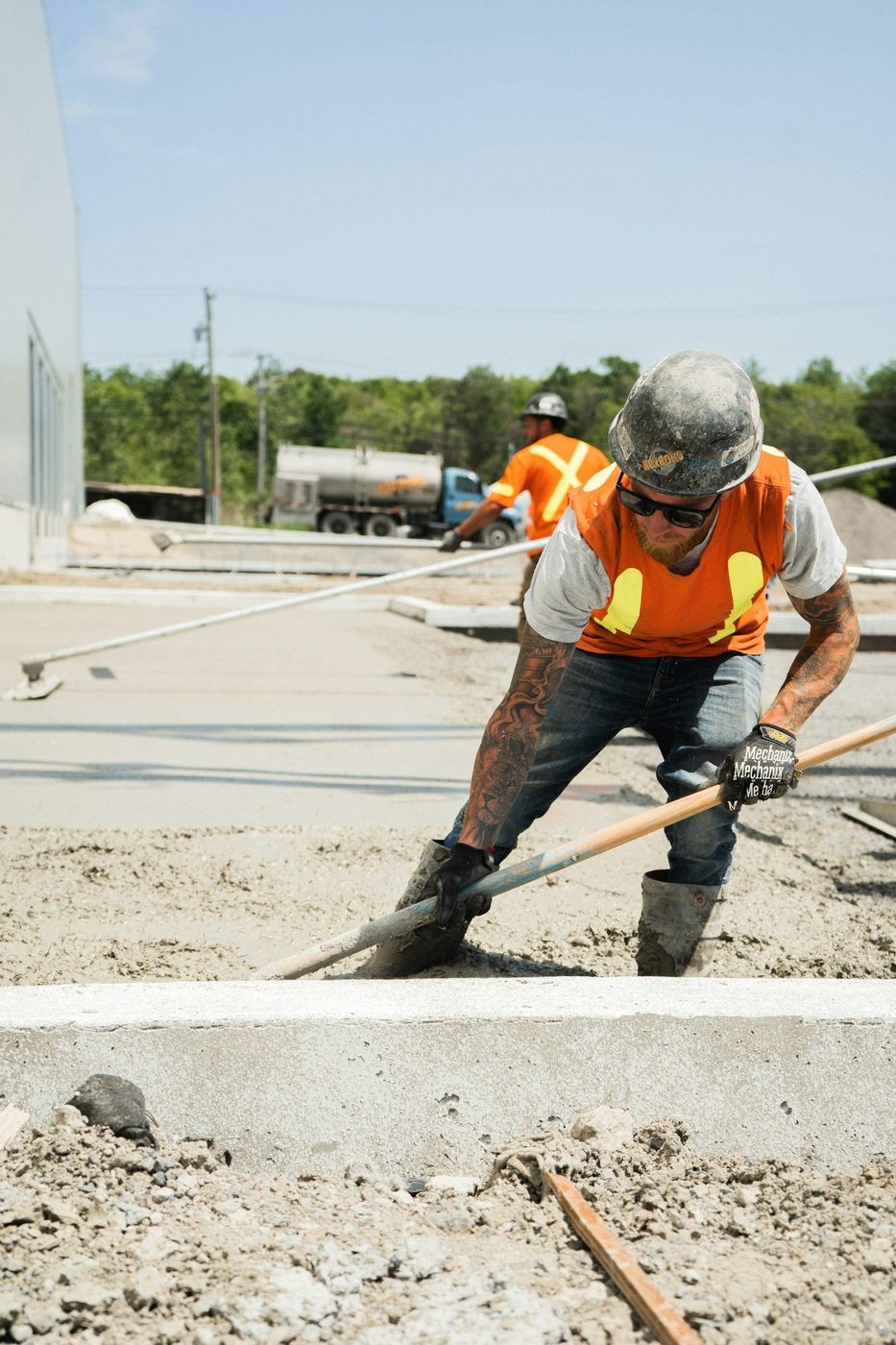
A board can fund the concrete it can see, or it can fund the concrete that's actually failing. Those are rarely the same list.
Community concrete gets budgeted from a reserve line and replaced from a walk-through, and the gap between those two numbers is where most boards get stuck. The reserve study says the sidewalks have a remaining life. The property manager says three residents have complained this quarter. Somebody has a bid from a contractor who counted panels from a golf cart. None of that adds up to a plan.
We put together multi-year concrete programs for associations across Lakewood, from the newer streets at Solterra to the established communities on Green Mountain and the older shared drives closer to Bear Creek and Applewood. What follows is how the money behaves on a scope like this: what actually drives the price up, where packaging the work pays for itself, and which line items are worth defending when the board starts cutting.
Almost none of it comes from the concrete. A yard costs what it costs whether we're placing two or forty. The savings live in everything that surrounds the concrete: one mobilization instead of six, one saw and one skid steer on site for a stretch of days rather than a series of half-day visits, one traffic control setup, one resident notification cycle, one round of survey work.
That's why one-off panel repairs are so expensive per square foot and why the fifth panel in a package costs a fraction of what the first one does. It's also why phasing has a floor. Split a community program into pieces small enough and you've simply bought the setup cost several times over, which defeats the point of phasing in the first place.
Sequencing is the other savings. With a crew already removing a run of walk, the adjacent curb section or the apron behind it is a marginal cost. That same apron three years from now is a whole project. So we look for work that's adjacent in space and condition, and we'll say when pulling something forward beats leaving it where the study put it.
| Surface | How it's usually budgeted | What really drives the cost |
|---|---|---|
| Interior sidewalk panels | A count of panels times an assumed rate | Access for equipment and whether irrigation runs under the walk |
| Driveway aprons at units | Lumped in with sidewalks at the same rate | Thickness, reinforcement, and giving each resident a way in and out |
| Mail kiosk and trash enclosure pads | Forgotten entirely | Heavier section and truck approach, so cost per square foot runs high |
| Entry monument and island work | Priced as landscaping | Small quantities, high visibility, hand forming, and irrigation to protect |
| Curb ramps at intersections | Not budgeted until a complaint arrives | Slope tolerances that pull adjacent walk and gutter into the scope |
| Stair treads and landings at grade changes | Assumed to be repairable | Rise and run consistency, handrail anchoring, and hillside drainage |
We'll walk the property, count and photograph every defect, and hand you a marked scope you can phase however the reserve allows.
The two halves of this city behave differently, and a community program has to account for that. Up on Green Mountain and the higher western edges we get slope and rock. Slope keeps water moving across the property, so failures cluster downhill of downspouts, irrigation heads, and wherever the original grading was tight. Rock makes excavation slow and unpredictable, which a board should hear before week two rather than during it.
On the flatter ground toward Bear Creek and the older streets near Belmar it's clay and lingering moisture. The panels that fail there sit where water sits: low corners, the shaded north side of buildings, spots that have taken downspout discharge for years. Replace those without changing the water and you'll replace them again.
Scheduling runs April into October, and the best stretch for community work starts once school is back. Residents settle into routine, guest traffic drops, and the weather holds steady enough to plan a multi-week run. Spring works, though wet ground slows base prep and forces reschedules. Winter placement is technically available and rarely worth it here, since residents carry the disruption and nobody enjoys barricades in February. A December trip hazard gets a temporary fix and a spot in the spring package.
Still unsure about something?
Call the crew at (303) 569-4046 and we will talk it through.
Get a free, no-obligation estimate from a crew that knows Colorado soil, Colorado weather, and how to finish concrete that lasts.
Accessibility
Adjust the site to fit how you read and browse. Your choices are saved on this device.