
Color that soaks into the slab instead of sitting on top of it.
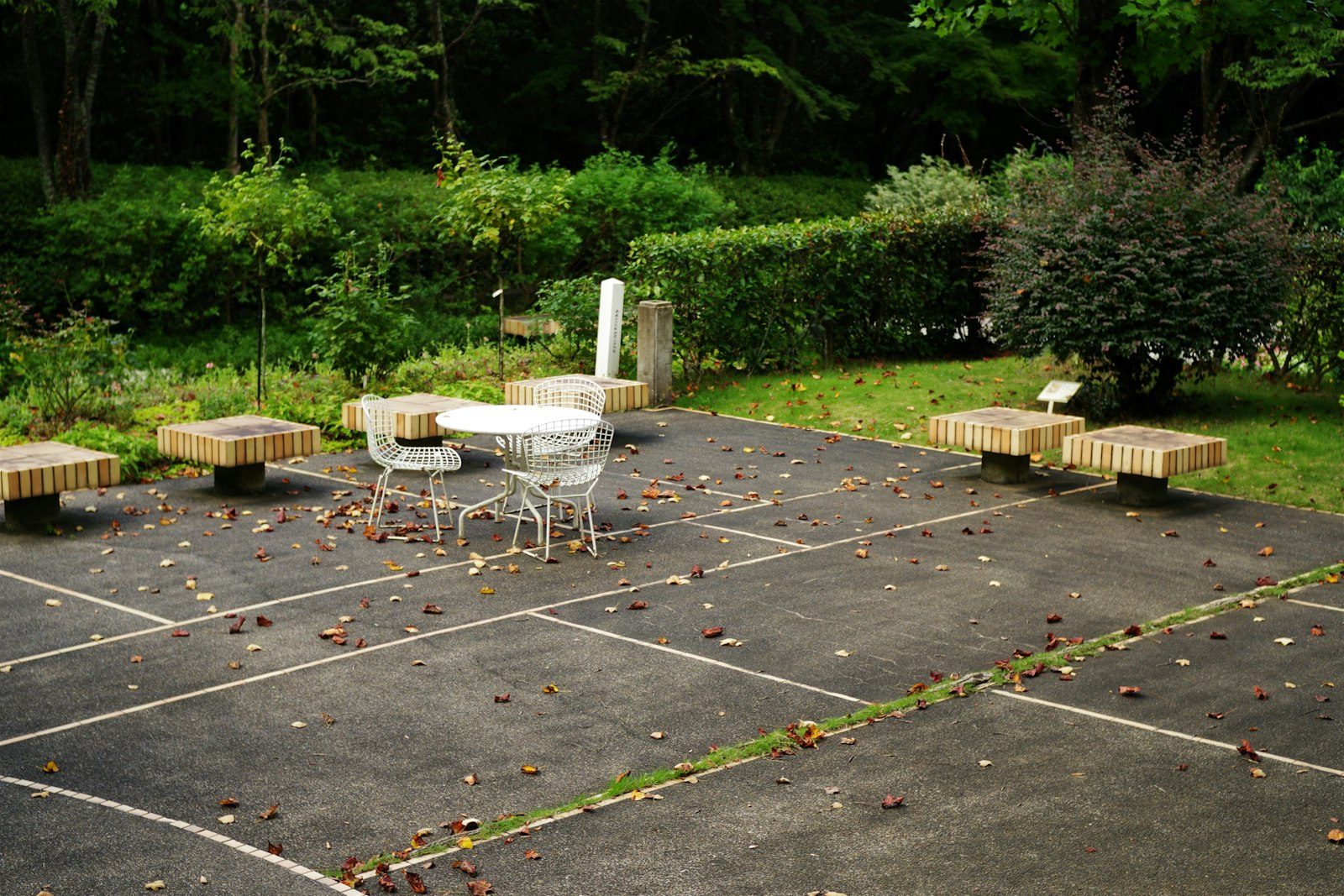
Stain is where people land when they like the slab they already own and can't stand the color of it. No demolition, no dumpster, no concrete truck idling out front. Just chemistry going to work on something that cured years ago. Plenty of flatwork around here qualifies, because the pours were done right and the only real complaint is that everything came out the same shade of parking lot.
Here's the catch, and we'd rather say it early. Stain isn't paint. It doesn't cover, it reports. Old patchwork, a rust ring where a planter sat for a decade, the ghost of a hose reel: all of that shows through, sometimes as character and sometimes as a mess. So your actual decision isn't stain versus gray. It's stain versus overlay versus starting over, and which one your particular concrete has earned.
Acid stain is a reaction, not a coating. Metallic salts carried in a mild acid bite into the lime left in cured concrete and leave a permanent mineral color behind. The look is mottled and variegated, closer to old leather or quarried stone than to anything even. The palette runs narrow on purpose: rusts, coffees, tobacco browns, a green that reads like weathered copper. Nobody gets a clean blue out of acid stain, and if someone offers you one, they're quietly switching products.
Water-based stains and dyes carry pigment into the pores instead. No reaction, far wider color range, and much tighter control over how uniform the result looks. That's what we reach for on a basement floor when somebody wants a specific charcoal to sit under white cabinets. They also live closer to the surface, which is exactly why we keep acid stain outdoors and keep dyes under a roof.
| Method | How the color gets there | Where we use it | The tradeoff |
|---|---|---|---|
| Acid stain | Reacts with lime in the cured slab | Patios, walks, entry pads, garage aprons | Earth tones only, and every slab answers a little differently |
| Water-based stain | Pigment carried into open surface pores | Basements, sunrooms, finished garages | Broader palette, shallower bite than acid |
| Dye | Very fine pigment, fast uptake, strong saturation | Interior polished floors | Not sun stable. Keep it inside and it holds for years |
| Integral pigment | Batched into the load at the plant | New pours only | Useless to you if the concrete is already down |
We will tell you straight whether stain suits it or whether the money belongs somewhere else. Call (303) 569-4046.
Mineral color from acid stain doesn't fade the way a painted surface fades, because at that point the color is part of the concrete. What quits is everything sitting above it. Ultraviolet at this elevation will chalk a bargain sealer inside two summers, and once that film turns milky your beautiful floor looks tired even though the color never moved an inch. We spec sealers rated for real exterior duty and we hand you the recoat date before the truck pulls away.
Season matters more here than it does for pouring. Color wants a dry slab, moderate air, and no surprise cell parking over the house during the dwell and rinse. That points hard at late May, June, and September. July is workable if we start at dawn. We won't put acid on an exterior slab in freezing weather; rinse water has nowhere good to go and sealer won't form a film in the cold. Interior floors run all twelve months, and winter is the smartest time to book one.
Address matters too. Older pours in Westridge and Northridge carry decades of surface history, and acid on that concrete either turns into something with real depth or into a map of every repair anyone made. We test a hidden corner first. Newer pads in BackCountry and The Hearth take color evenly, which is the easy version of this work.
Somebody always shows up with a photo off the internet and asks us to match it. We say no. Your slab has a history baked into it, and acid reports that history instead of covering it. The jobs that come out best are the ones where the homeowner decided to like what their concrete already was.Straight from the crew
Still unsure about something?
Call the crew at (303) 569-4046 and we will talk it through.
Get a free, no-obligation estimate from a crew that knows Colorado soil, Colorado weather, and how to finish concrete that lasts.
Accessibility
Adjust the site to fit how you read and browse. Your choices are saved on this device.