
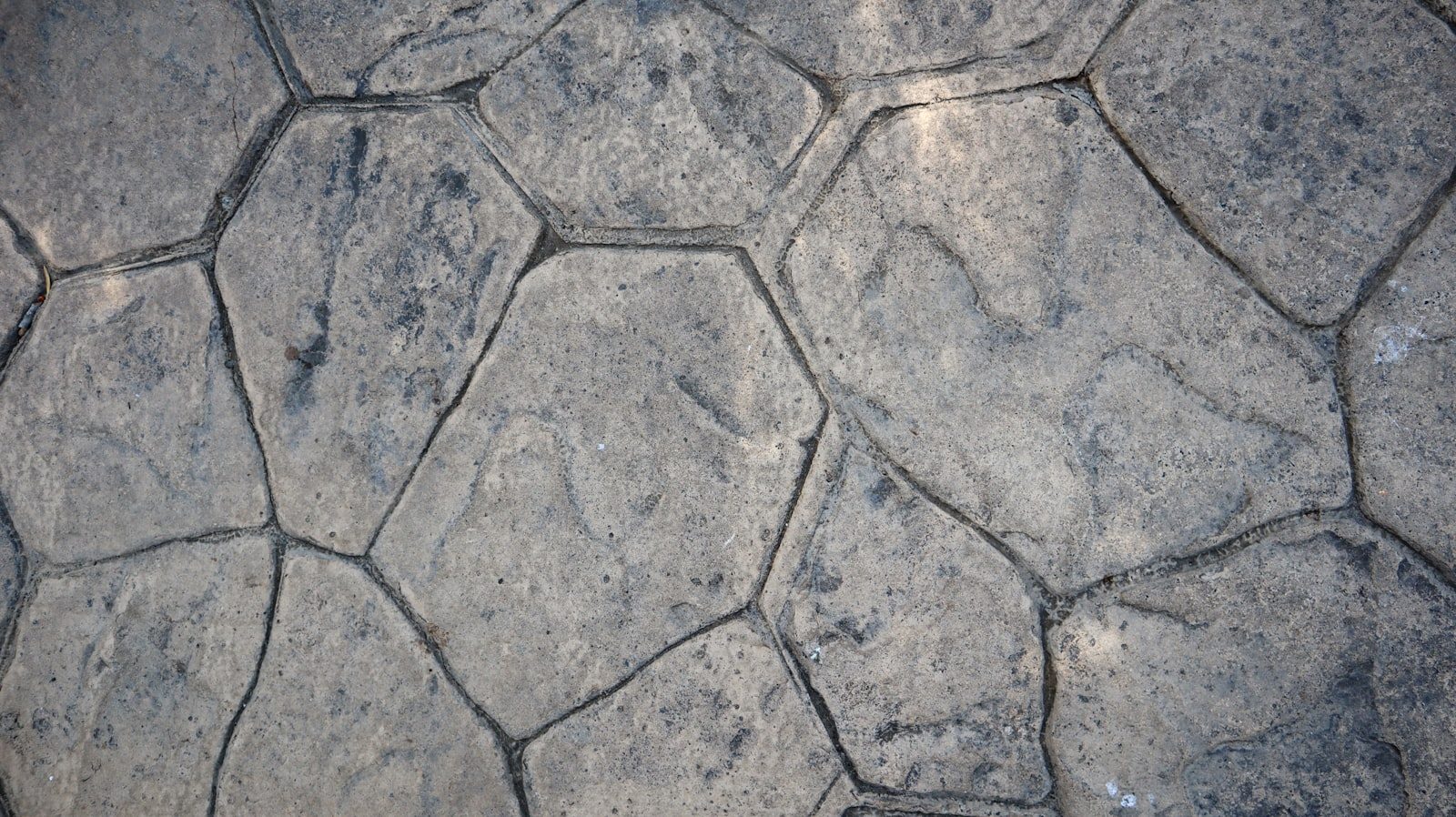
Two very different chemistries, one of which is probably wrong for your slab.
Sealing gets sold as one product and it is really two arguments. One camp soaks something into the pores that you can barely see afterward. The other lays a film across the top that darkens the color and adds shine. They protect against different things, they fail in different ways, and picking the wrong one is how homeowners end up with a cloudy white driveway wondering what happened.
We do both, and the recommendation depends on four questions: what the surface is, how much sun and water it takes, whether anybody wants it to look wet, and how often you're willing to have someone come back. That last one decides more jobs than people expect, because a film that never gets recoated eventually looks worse than concrete that was left alone from day one.
Water is the enemy, and not because it makes concrete wet. Water carried into the pore structure freezes, expands, and works the surface apart from the inside, one cycle at a time. Add road chemicals into that water and you speed the whole process up by years. A sealer's real job is limiting how much moisture gets in and how much of the dissolved salt comes with it.
Everything else is secondary and still worth money. Sealer keeps oil, fertilizer, leaf tannin, and grill grease from soaking in permanently. It holds color on decorative work that would otherwise dull out under this sun. And on stamped or textured surfaces it deepens the tone the way a coat of oil deepens wood, which is the reason most people buy it in the first place.
What sealing does not do is fix anything. It won't bind a surface that's already crumbling, it won't stop a crack, and it won't make a thin slab thicker. Sealing a failing driveway just puts a shiny lid on the failure. We tell people that before quoting, because it saves an awkward conversation two winters later.
| Penetrating sealer | Film-forming sealer | |
|---|---|---|
| What it does | Reacts inside the pores and stays invisible | Cures into a layer sitting on top of the concrete |
| How it changes the look | Barely at all. Concrete stays matte | Darkens the surface, adds satin to high gloss |
| Slip risk | None added. Texture stays exactly as poured | Real, when wet or icy, unless we mix in grit |
| Service interval | Many years before it needs attention | Two to three years here before it dulls or wears thin |
| How it fails | Quietly, by simply wearing out of the surface | Visibly. Peeling, hazing, or turning white |
| Where we put it | Driveways, walks, and any plain broom finish | Stamped, stained, exposed aggregate, anything decorative |
It's the single most common failure we get called about, and the cause is almost always moisture that had nowhere to go. Somebody rolled a film sealer on a slab that was still damp, or applied it the morning after rain, or coated a surface with ground water pushing up through it from below. That trapped water clouds the film and no amount of buffing brings it back. The fix is stripping the whole thing and starting over, which costs more than the original job.
So we check moisture before we open a pail. New concrete waits a full 28 days, and even then we want the slab dry through. Existing slabs get a plastic-sheet check or a meter reading. Sound simple? It is. Skipping it is just what happens when someone is trying to finish a driveway before the weekend.
The second cause is over-application. A film sealer is not paint and heavy coats do not last longer; they trap solvent, wrinkle, and peel in sheets. Thin, even, and two coats beats one thick pass every time.
We can test it in a few minutes and tell you whether to recoat or strip. Call (303) 569-4046.
People ask if their plain gray driveway needs sealing and expect us to say yes. Half the time we don't. A well finished slab with no deicer on it does fine bare for a very long time. Where sealing genuinely pays is decorative work and anything you care about the color of.What our crew lead tells homeowners
Still unsure about something?
Call the crew at (303) 569-4046 and we will talk it through.
Get a free, no-obligation estimate from a crew that knows Colorado soil, Colorado weather, and how to finish concrete that lasts.
Accessibility
Adjust the site to fit how you read and browse. Your choices are saved on this device.