
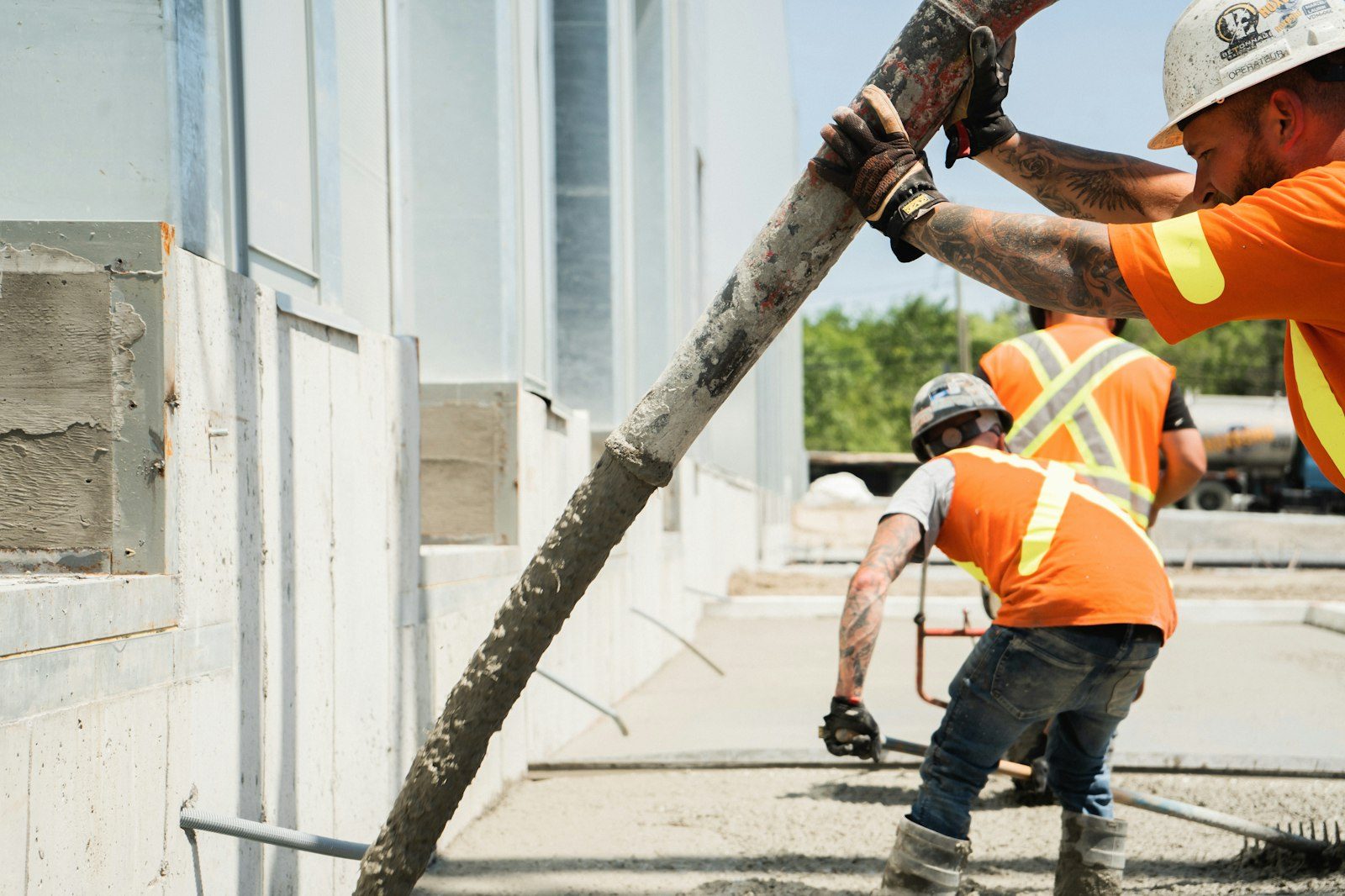
Nobody ever notices a footing. They notice a gate that won't latch, and that's the same conversation.
Bearing work is invisible right up until it isn't. Then it shows up in the least structural way imaginable: a screen door that drags on the same board every time, a step that's suddenly taller than the one below it, a gate you have to lift with your knee. That's how this trade actually reaches people. Not as a crack in a wall, but as friction in an ordinary Saturday.
So we've stopped opening these conversations with soil and started with use. What do you do out there, how often, and what has already started annoying you. On Englewood's older lots, where back yards are compact and every structure is close to the house, that line of questioning gets to the answer faster than any amount of talk about bearing capacity.
| The structure | How much it puts up with | Where you feel it first |
|---|---|---|
| Freestanding deck | A fair amount, since wood flexes and hardware has slop in it | Bounce underfoot, then a stair gate that stops meeting its latch |
| Deck with a ledger bolted to the house | Almost none, because one end simply cannot move | A widening line at the ledger and a deck surface that reads downhill |
| Covered porch with columns and a roof | Very little. A roof turns a small drop into a long crooked line | Trim opening at the column top, then a gutter that stops looking level |
| Detached garage or shop | Some, right up until the overhead door has to seal | The door binding on one side, then daylight along the bottom edge |
| Shed sitting on blocks or skids | Quite a bit before anybody cares | The door swinging open on its own and a floor that feels wrong at the threshold |
| Carport or shade structure post | Little, because sway and uplift matter more here than settling | A post that gives when you push it, and rust starting at the base plate |
Not every quarter inch is worth money. A shed that's slightly off doesn't hurt anyone, and we'll tell you to leave it alone. What we won't shrug at is anything that turns into a safety problem, and out here that's a short list: stair risers that stop matching each other, a guardrail whose post no longer has anything solid under it, and any covered structure where a column is losing bearing while a roof sits on it.
Stairs deserve special mention because they're where daily use and structure meet hardest. People climb stairs by feel, not by looking. Let one landing drop and the bottom riser grows, and somebody catches a toe on it in the dark. That's not a cosmetic complaint, and it's usually the cheapest thing on this whole page to correct.
The other honest category is movement that keeps going. A structure that settled once and stopped is a repair. A structure that shifts a little every season is a design problem, and putting it back without changing what's underneath just buys you a couple of years.
Tell us what stopped working and how long it's been doing it. We'll come look, and if it's carpentry rather than bearing we'll say so. (303) 569-4046.
Every outdoor structure has a favorite corner. People stand at the same rail, the grill lives in the same spot, everybody comes up the same set of steps, and the far end of the deck goes years without carrying anything heavier than a leaf. Loads in a drawing are spread evenly. Loads in a life are not.
That's why we ask about routine rather than square footage. A deck that hosts a dozen people every weekend leans on two or three supports far harder than the rest. A shop where a vehicle parks in one bay is loading a strip of ground, not a floor. A hot tub is a permanent point load that gets heavier every time it fills.
Around Northwest Englewood and Broadway Estates we run into a specific version of this: structures added to older houses over the decades, each one supported to whatever standard was normal that year, all now carrying modern use. The framing is often fine. What's under it was sized for a different life.
Drilling and digging run most of the year here. Late summer and fall are the best of it, because the ground holds a clean hole and there's time to get everything backfilled and settled before winter. Spring is workable but slow, since wet clay caves, and a hole that caves gets redrilled.
Winter isn't off the table. Frozen surface crust gets broken through, the concrete gets warm water and blankets, and we never place on frozen bearing. What we won't do in January is backfill with frozen material, because it bridges instead of packing and thaws into a dip in your lawn a few months later.
The practical planning question is different, though. It's when you want the space back. If the deck matters to you in summer, get the bearing done in the fall before and let the carpentry follow, rather than losing June to a crew in the yard. Most people plan this the wrong way around and then wonder why the good weather went to construction.
Still unsure about something?
Call the crew at (303) 569-4046 and we will talk it through.
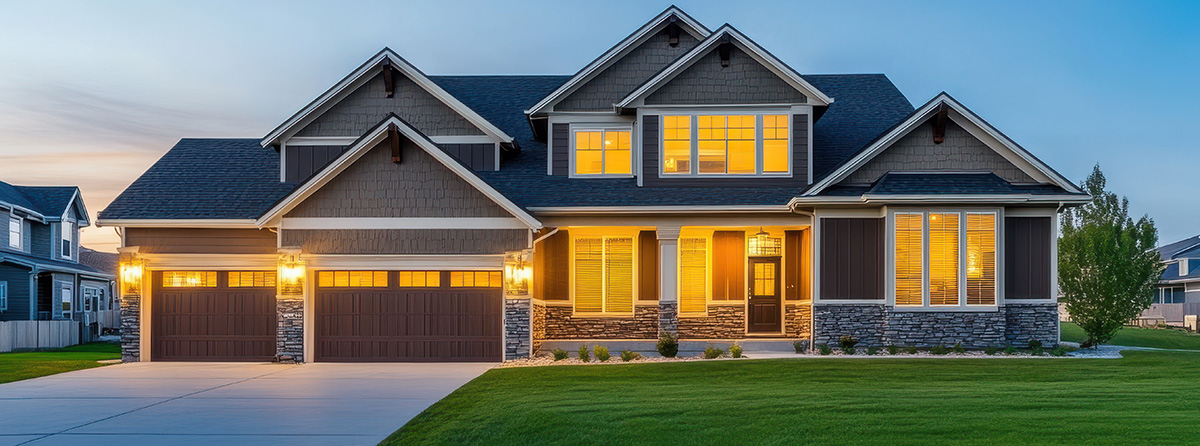
Get a free, no-obligation estimate from a crew that knows Colorado soil, Colorado weather, and how to finish concrete that lasts.
Accessibility
Adjust the site to fit how you read and browse. Your choices are saved on this device.