
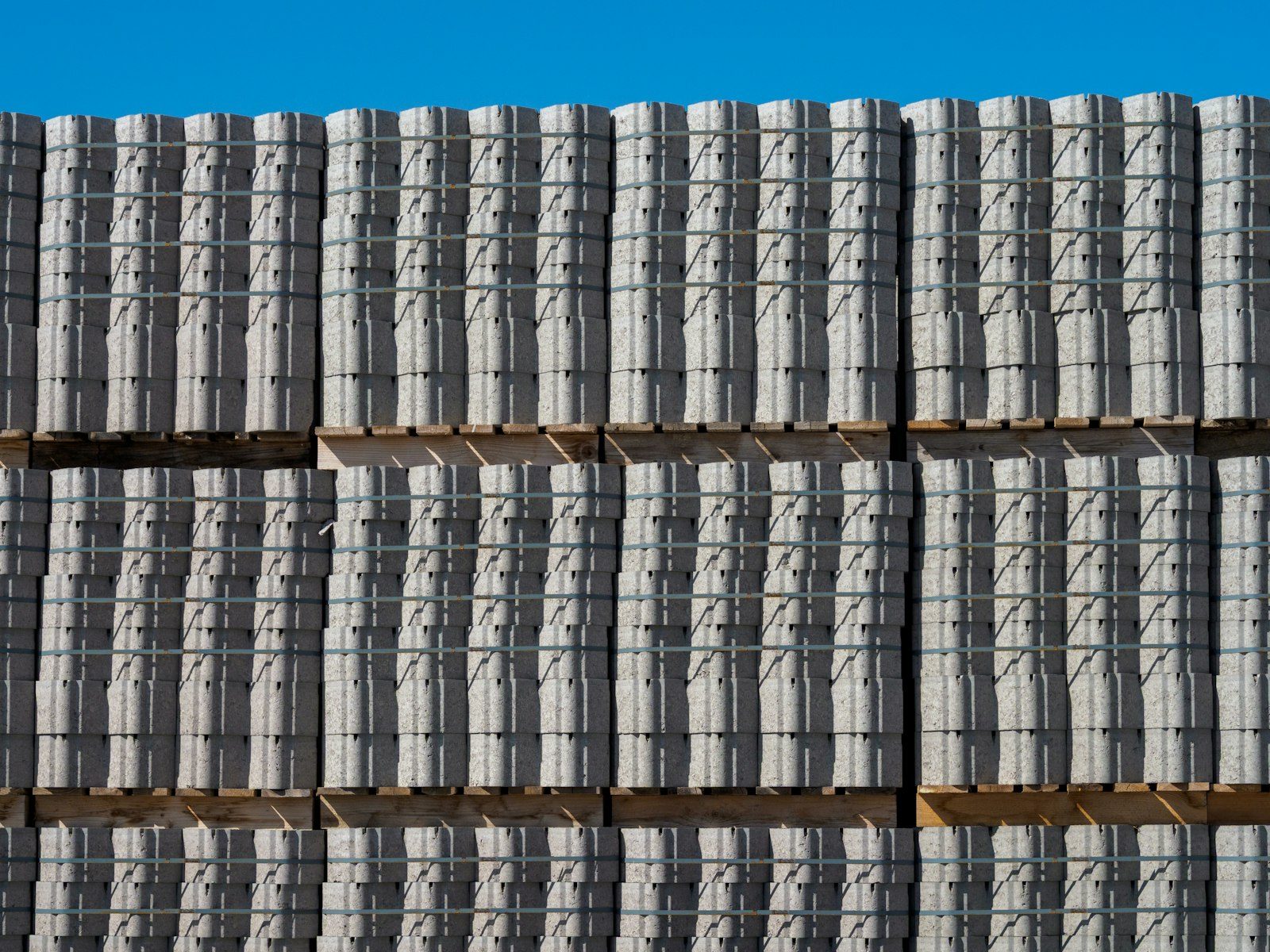
The color coat gets all the attention at the ribbon cutting. The morning that decides how the court plays is the one with a screed on it.
A court slab is unusual work. Most of what we pour has to be strong. A court has to be strong and flat, and flat in a way people can feel through their shoes and see in the bounce of a ball. You get one morning to produce that, and there's no second pass later to fix it.
We build court pads for associations, clubhouses, apartment amenities, and parks-adjacent commercial property around the north metro, including community amenity areas in the newer parts of Westminster near Bradburn and older shared spaces out toward The Ranch. Boards and managers usually want to talk about surfacing colors. We want to talk about placement day, because that's the part nobody gets to redo.
Crew is on site early, and the first hour is all verification. Grade stakes shot again. Forms checked for straightness along the full length, because a court that's out of square reads wrong to players even when every dimension technically passes. Steel up on chairs. Slope confirmed in one plane, from one side to the other, so water leaves without ever crossing the middle of the playing area.
Then it's about keeping concrete moving. A court is a single continuous placement. If a truck is late and the concrete already down starts to set, you get a cold joint through the middle of the playing surface, and that joint will eventually show through the coating as a line. So we order more capacity than we need, stage the trucks, and if the plant tells us at seven in the morning that the schedule is thin, we move the pour rather than gamble on it.
Placement runs from one end to the other. Concrete gets pulled to grade, checked with a straightedge, and rechecked. Nobody finishes until the bleed water is gone. On a court that discipline matters twice as much, because closing the surface early leaves a weak layer that the acrylic system will telegraph within a couple of seasons.
| Method | When it's the right call | What the site has to give us |
|---|---|---|
| Direct chute off the truck | A pad the mixers can reach along two or three sides | Firm ground for a loaded truck within reach of the forms |
| Boom pump | Courts behind fencing, over landscape, or down a grade | A setup pad, overhead clearance, and room for trucks to queue |
| Line pump | Tight amenity areas and community sites with narrow access | A hose route that misses what you care about, plus washout space |
| Buggies over plywood | A short haul when no pump is available | A protected path and enough crew to keep the placement continuous |
Finishing a court is a race against evaporation, and at 5,384 feet with dry air and afternoon wind, that race runs faster than most people expect. Surface water leaves quickly, which shortens the working time compared to the same mix somewhere humid. So summer courts get poured early, and we keep evaporation retarder and fog equipment on the truck.
The finish itself is deliberately plain. No broom texture, because the acrylic system on top provides the playing texture and a broom finish would fight it. We float and trowel to a tight, even surface, hold flatness within an eighth of an inch over ten feet, and then get the slab wet-cured. Curing is not the boring part of a court job. A slab that dries too fast at the surface is a slab whose coating fails early, and every dollar of surfacing sits on top of that decision.
Saw cuts go in the same day. On a court we keep them to the minimum the slab needs and lay them out on lines that make sense for the geometry, because joints eventually read through any coating system. Anybody who tells you a joint will never show is selling optimism.
Talk to us during budgeting, not after. Siting and drainage decisions are cheap in January and expensive in June.
Still unsure about something?
Call the crew at (303) 569-4046 and we will talk it through.
Get a free, no-obligation estimate from a crew that knows Colorado soil, Colorado weather, and how to finish concrete that lasts.
Accessibility
Adjust the site to fit how you read and browse. Your choices are saved on this device.