
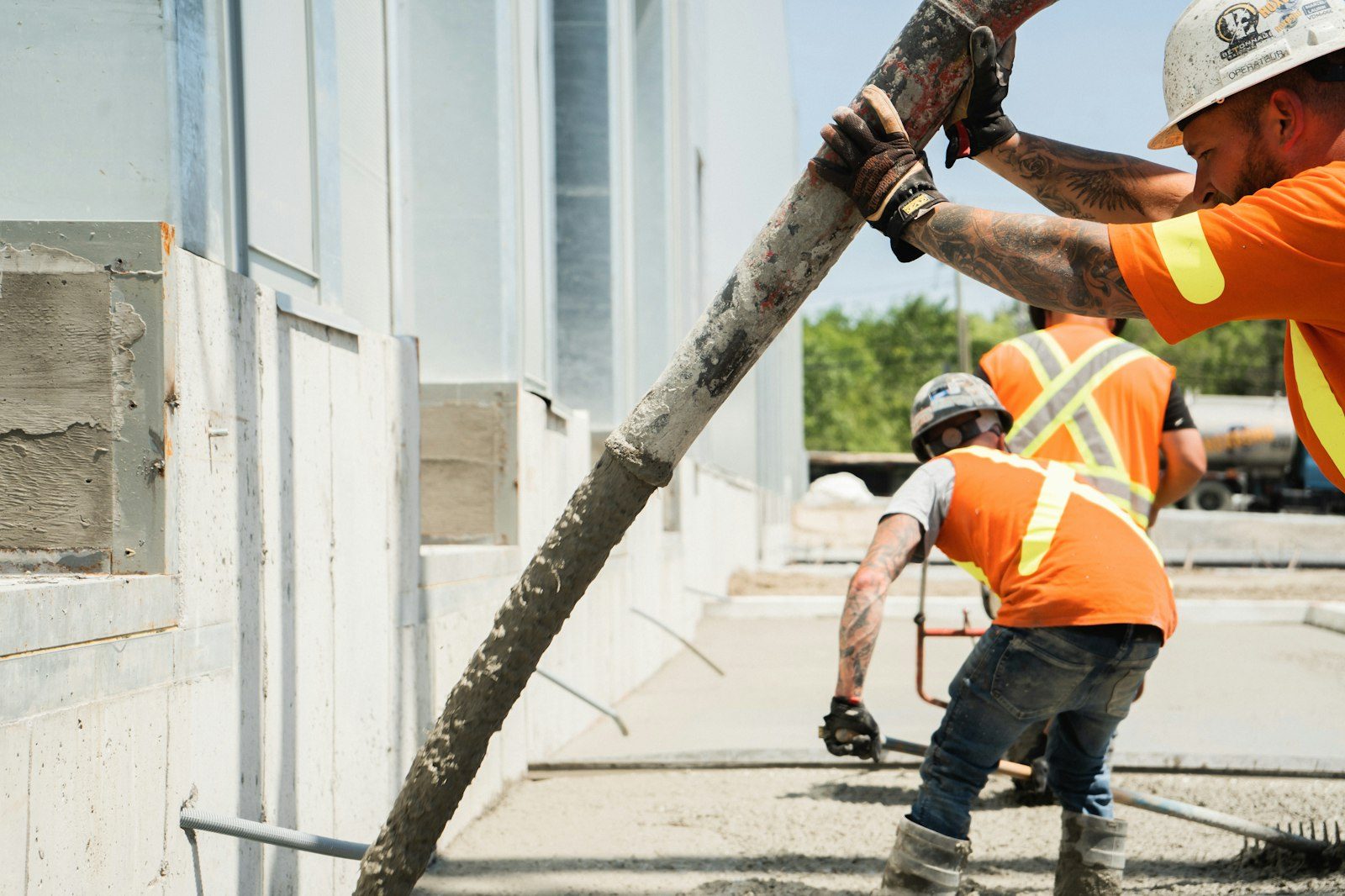
Seal it, drain it, or take it out. Three answers, and the evidence that picks between them.
Homeowners almost never call us about a stem wall. They call about a damp band across the crawl space wall every March, or a crack that looks worse than it did last year, or a builder who wants to backfill on Friday when the wall got poured Wednesday. Underneath all three is the same question, and it's a decision question: how much do you spend on the part of the wall that gets buried and never looked at again?
There are three honest answers depending on what we find, and they're separated by real money. This page lays out how we choose. No scare tactics about your foundation collapsing, and no pretending a coat of black spray on the outside face is the same thing as drainage.
| What the wall shows | Our call | The reasoning |
|---|---|---|
| Thin vertical cracks, dry interior, wall plumb | Seal and recoat the exterior face | Shrinkage from curing. It's a water path, not a structural issue. Close it and move on. |
| Damp band low on the wall every spring | Drainage retrofit: footing drain, gravel, and a drainage board | The concrete isn't failing. Water is standing against it and finding its way through. |
| Spalling and rust staining right at grade | Partial-depth repair plus a protective coating | Steel too close to the face has corroded and is pushing concrete off. Catch it before section is lost. |
| Horizontal crack with the wall bowed inward | Engineer first, then reinforce or rebuild | Lateral soil pressure is winning. Nothing you paint on the outside changes that equation. |
| Wall out of plumb with the footing cracked below | Replace that section | The base moved. Repairing the wall over a broken footing buys you a couple of seasons at most. |
People agonize over wall thickness and then let the excavator shove native clay back against a brand new wall the same afternoon. That's backwards. A properly sized wall with bad backfill will disappoint you. A modest wall with clean drain rock, a footing drain, and water routed away will outlive both of us.
So when we price stem wall work in Parker we price the trench, not just the concrete. Free-draining gravel against the wall face, filter fabric so silt can't blind it, perforated pipe at the footing bedded and sloped somewhere it can actually go, and native soil only up top where we want it shedding water. That last foot gets a slight crown so runoff heads away instead of sitting in a settled trough.
We'll come look before the trench closes. That's the one window where fixing this is cheap, and the visit costs nothing.
Here's the tier that homeowners are rarely shown. The cheapest option is a sprayed damproofing, which slows moisture vapor and does very little against liquid water under pressure. One step up is a true waterproofing membrane, sheet or fluid-applied, which is designed to hold back water rather than just discourage it. Top of the stack adds a dimpled drainage board over the membrane, which breaks the hydraulic connection between wet soil and the wall and gives water an easy path down to the drain.
Our position: where living space sits behind that wall, buy the membrane and the board. On a vented crawl space with good grade and short backfill, damproofing plus a real footing drain is reasonable. What we won't do is quote damproofing on a wall holding back eight feet of soil and call it protected.
Pouring a stem wall is easy to schedule almost any month. Backfilling one is not. The wall has to gain strength first, and the floor system above often has to be in place to brace the top before soil pushes on it. Rush that and you get the horizontal crack listed in the table above, which is a self-inflicted wound.
Seasonally, we like late summer through fall for retrofit drainage work, because the ground is dry, the trench walls stand up, and we're not fighting mud. Spring is the worst window for opening a trench against a house, since saturated clay slumps and everything takes twice as long. New construction pours run year round with heated water and blankets. Retrofits we'll schedule in winter too, but we tell you up front that frozen ground makes excavation slower and the estimate reflects it.
Still unsure about something?
Call the crew at (303) 569-4046 and we will talk it through.

Get a free, no-obligation estimate from a crew that knows Colorado soil, Colorado weather, and how to finish concrete that lasts.
Accessibility
Adjust the site to fit how you read and browse. Your choices are saved on this device.