
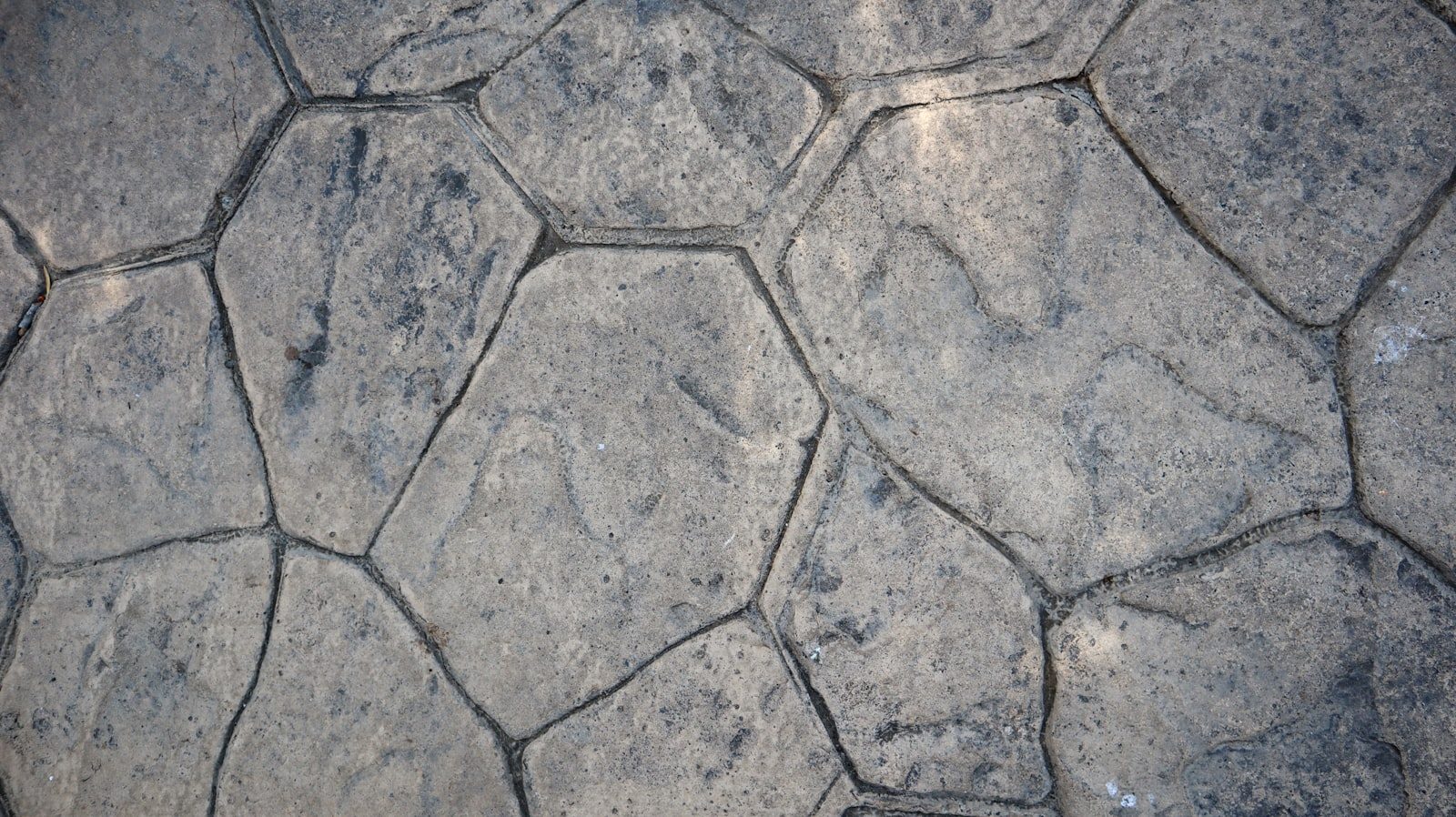
Decorative concrete that still looks decorative after its fifth Colorado winter.
There's a particular afternoon every Littleton summer when the sky over the foothills stacks up gray-green by two o'clock, and everyone on the west side starts thinking about their car windows. We think about fresh stamps. A storm like that dropping hail on a slab mid-texture is the stuff of contractor nightmares, which is why our stamped pours start at sunrise and why there's always plastic sheeting within reach. Decorative concrete in this climate is a timing game, and we've gotten good at it.
But the storm is one afternoon. The bigger test runs all year: sun that's noticeably harsher at 5,351 feet, a winter that freezes and thaws the surface over and over, and the deicer someone scatters without thinking in January. Stamped concrete can handle all of it. It just has to be mixed, poured, colored, and sealed by people who plan for this climate instead of hoping about it.
Stamped concrete carries its looks right at the surface, in the texture and the color layer, so everything Colorado throws lands exactly where it hurts. UV works on pigment the way it works on a parked car's paint, slowly and permanently. Freeze-thaw cycles pry at any surface that's absorbed water. Hail bruises weak spots. And magnesium chloride tracked in off the roads eats young concrete from the top down.
Our defense stacks up in layers. An air-entrained 4,000 PSI mix gives freeze-thaw somewhere to go besides the surface. Integral color runs the pigment through the full depth of the slab instead of painting it on. Color hardener toughens the top where the pattern lives. And sealer, refreshed on schedule, is the raincoat over all of it. Miss any layer and the climate finds the gap within a few winters.
| The question | Stamped concrete | Pavers |
|---|---|---|
| Weeds and joints | One surface, no joints to sprout | Sand joints invite weeds and ants without regular attention |
| Winter movement | Moves as one slab; joints control the cracking | Individual units heave and settle, so edges creep out of level |
| Snow shoveling | Smooth pass with any shovel | Blade catches lifted edges and corners |
| Upkeep | Reseal every 2-3 years | Re-sand joints, reset sunken units, spot-treat weeds |
| Repairs | Damaged sections need patching that takes skill to blend | Single units swap out cleanly if you kept spares |
We'll bring sample boards and real photos of our stamped work to the estimate. Free, and worth seeing before you decide.
Ashlar slate, random stone, wood plank, herringbone brick: the pattern menu is long, and most of it works anywhere. Color is where local judgment earns its fee. Earth tones and grays hold up to high-altitude sun far better than saturated reds and blues, and a two-tone job, base color plus an accent release, hides dust and water spots that a single flat color shows off. We steer Littleton clients toward palettes that will still look intentional in year ten, not just in the first-week photos.
Then protect it. Resealing every two to three years is the whole maintenance program, and it's the difference between stamped work that ages like stone and stamped work that fades like a poster in a sunny window. We'll tell you when yours is due if you want the reminder.
You can spot a stamped job that skipped color hardener from the driveway. Three summers of this sun and the surface goes chalky while the joints stay dark. Do the layers right on day one and the thing just quietly looks good for a decade.What our crew lead tells homeowners
The newer neighborhoods drive most of it. Homeowners in The Hills at Piney Creek and over in Highland Walk order stamped patios and front walks to break up builder-plain backyards, and Ken Caryl brings us stamped porches and entries where the slope makes a poured surface more practical than pavers anyway. In the older parts of town, Columbine and Southbridge included, stamped overlifts usually arrive as part of a bigger project: a patio replacement or a front entry redo where the owner wants the new concrete to look like it cost what it cost.
If your HOA reviews exterior changes, run the pattern and color by them first. We'll hand you spec sheets and sample photos that make the approval quick.
Stamping has a tighter calendar than plain gray concrete because the crew is working texture into the surface at exactly the right stiffness, and temperature controls that clock. Hot July afternoons rush the window; cold snaps stall it. So our sweet spots are late spring and early fall, with summer pours pushed to first light. True winter stamping is a rare-conditions job, and we'd rather book you for a proper window than gamble a decorative surface on a cold gamble.
Fall clients hear one extra instruction from us: absolutely no deicers the first winter, and go easy forever after. Sand for traction, a plastic shovel for snow, and the sealer does the rest.
Still unsure about something?
Call the crew at (303) 569-4046 and we will talk it through.
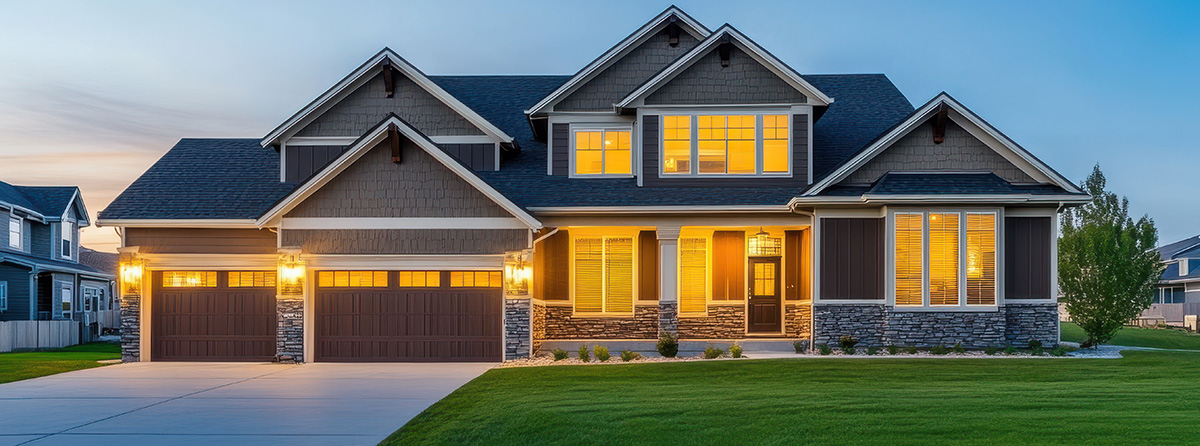
Get a free, no-obligation estimate from a crew that knows Colorado soil, Colorado weather, and how to finish concrete that lasts.
Accessibility
Adjust the site to fit how you read and browse. Your choices are saved on this device.