
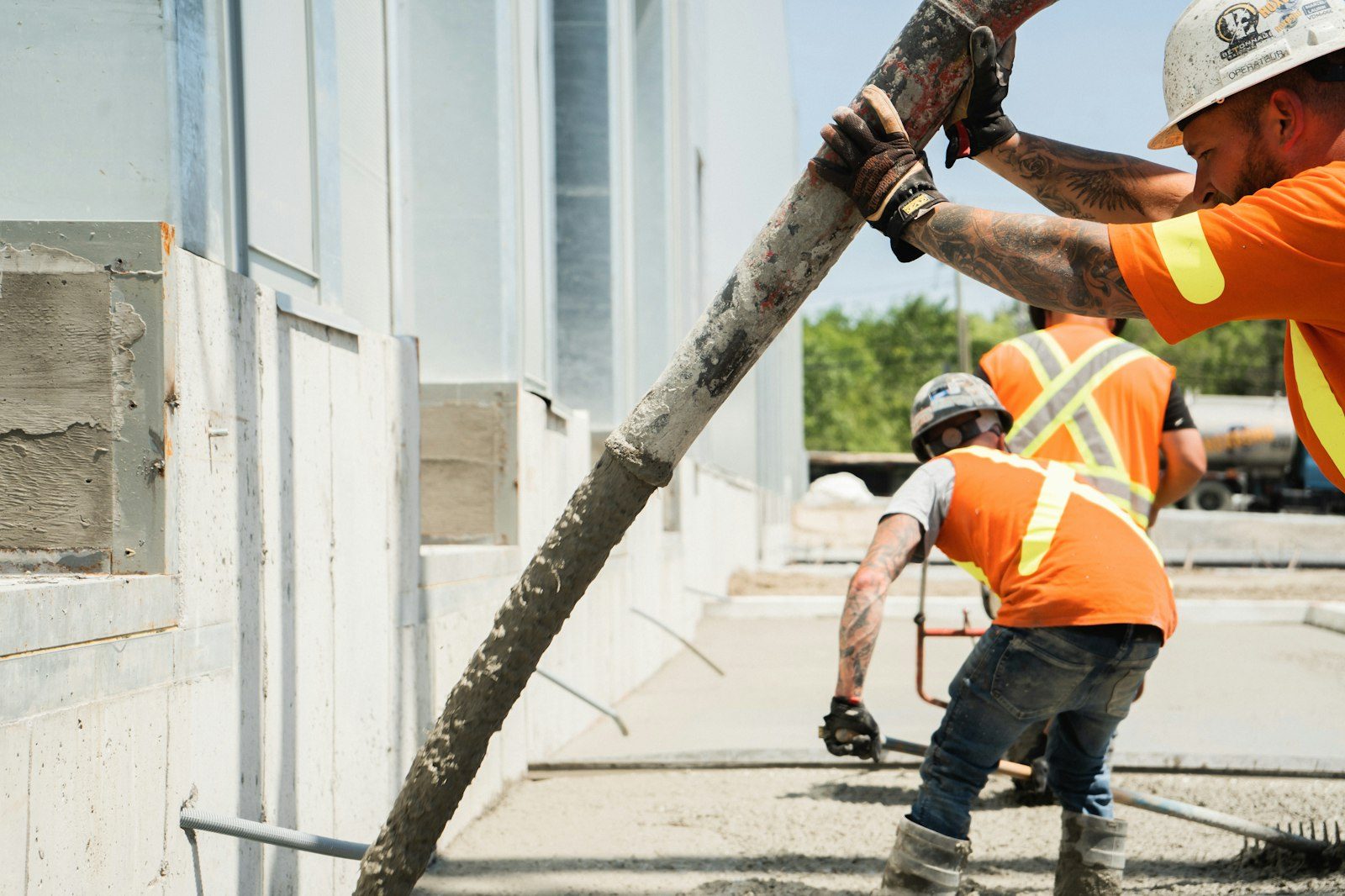
One morning, a handful of holes, and every decision that matters made before the truck arrives.
A pergola footing job is a short day with no forgiving parts. The concrete is in the ground by lunch, the hardware is set before it stiffens, and everything you'll live with for the next twenty years was decided in the two hours before the truck rolled up the drive.
So this page is the walkthrough. What we do at first light, what happens while the mix is going in, and where a Larkspur lot makes the day different than it would be on flat ground in town. Six posts on a Bear Dance slope is not the same job as six posts on a level pad, and the difference is all in the setup.
We stake the post locations off the structure drawing and then check them against the world. Where does the roofline shade fall in August. Is the downhill post sitting in the path everything drains through. Does the layout square to the house or to the patio, because on an older Perry Park place those two are often not the same thing, and you have to pick which one the eye will notice.
Then we probe. A hand probe or a test hole at a couple of locations tells us whether the soil matches what we expected, whether there's fill from an old grading job, and how far down we're likely going. That's also when a root or a buried boulder turns up, which is normal on wooded lots and much cheaper to find at seven in the morning than at ten with a loaded truck idling.
Holes get drilled or dug to depth and cleaned out. Loose spoil at the bottom is a soft pad under an otherwise good pier, so we scrape it. Cages or vertical bar go in on the piers that need them. If we're forming above grade with tubes, they get cut, set to a string line, plumbed, and braced hard, because a tube that drifts an inch while the concrete goes in is an inch you cannot fix later.
Concrete goes in in lifts and gets rodded so there are no voids around the steel. Tops get screeded and slightly crowned so water sheds off instead of sitting against the post base. Then the hardware, while the mix is still plastic: anchors set to the layout, checked against the string, checked again five minutes later because concrete moves under a wet trowel. That last check is the whole day, honestly.
| Method | When it fits | The tradeoff |
|---|---|---|
| Chute straight off the truck | Holes within reach of the drive and no soft ground between | Truck weight on your driveway and a tight turning radius to solve |
| Wheelbarrow or power buggy | Backyard access through a gate, moderate distance, small volume | Slower, more crew, and a route across the lawn we have to protect and restore |
| Pump or conveyor | Steep grade, mature trees, a long carry, or no vehicle access at all | Extra equipment on the bill, offset by a faster and cleaner day |
Send the structure's dimensions and a photo of the spot. We'll size the supports and tell you how we'd reach them.
The good stretch runs from about mid-May into October, and inside that we pick mornings. Afternoon storms build over the ridge fast in July and August, and a downpour landing on fresh footing tops washes cement out of the surface right where the post base has to sit. Early start, early finish, plastic on the truck anyway.
Cold-weather work is doable and we do it, with heated water and blankets over the tops, but for a project you want to enjoy next summer the smarter move is scheduling footings in the fall. The concrete gets all winter to reach full strength, your carpenter has supports waiting on the first decent spring weekend, and nobody's fighting for a slot in June.
Still unsure about something?
Call the crew at (303) 569-4046 and we will talk it through.
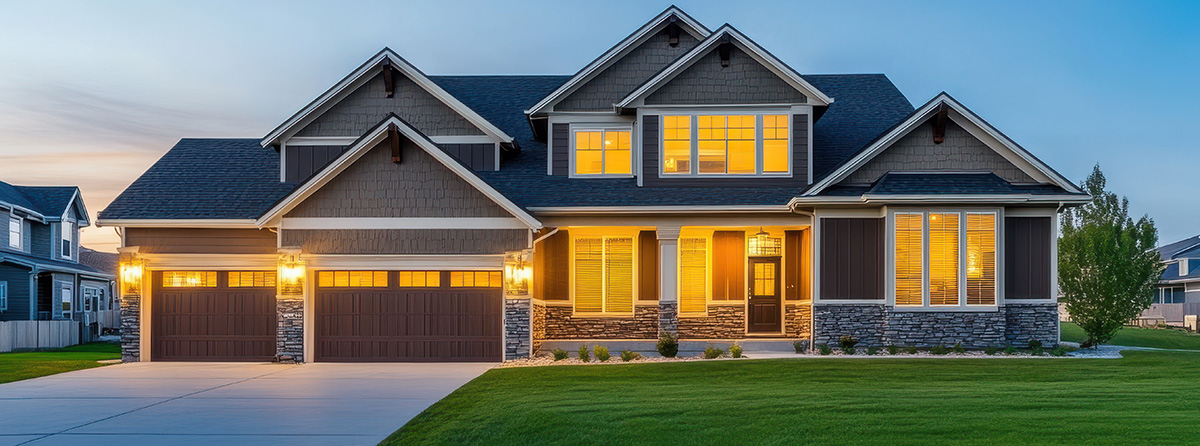
Get a free, no-obligation estimate from a crew that knows Colorado soil, Colorado weather, and how to finish concrete that lasts.
Accessibility
Adjust the site to fit how you read and browse. Your choices are saved on this device.