
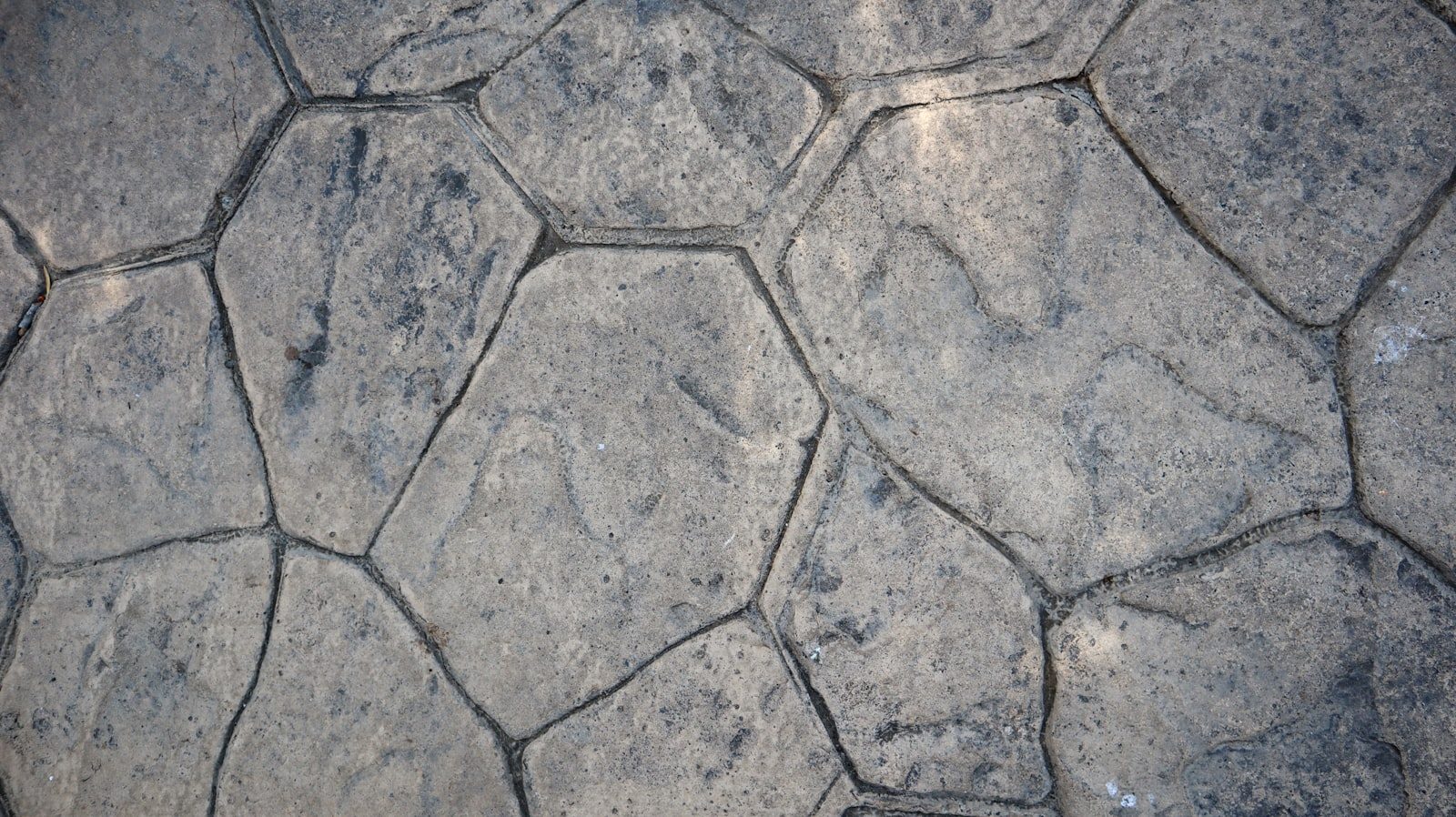
Pattern and color chosen for the house it sits behind, not pulled off a catalog page.
Fort Collins doesn't have one look. The blocks in and around Old Town carry decades of character: porches, mature trees, hardscape that was never supposed to look mass-produced. Head south toward Harmony and Fossil Creek and the housing turns newer and cleaner-lined, with backyards still waiting for somebody to make them interesting. Stamped concrete belongs in both worlds. The trick is picking pattern and color for the actual house in front of you, and that's a design conversation we genuinely like having.
Behind an older home we'll usually steer toward stone and slate textures in quiet, warm tones, a surface that looks like it could have always been there. Behind a new build in Registry Ridge, larger-format patterns and cooler grays stand up to modern siding without apologizing. Same stamps, opposite instincts. And underneath either one is real structural concrete; the decoration never gets to cut corners on the slab.
Color is where stamped jobs go wrong, not pattern. Too many hues fighting each other and the whole thing reads fake from the porch. Keep it to a base color and one accent, and people will ask where you bought the stone.What the crew sees on site
Stamped work earns its keep on looks, and looks are exactly what this climate goes after. High-altitude UV fades surface color the same way it fades a fence stain, a little more every summer. Freeze-thaw pries at the texture, because water settles into the stamped grooves and expands there first, and our northern winters run more of those cycles than the metro area sees. Deicers hit decorative surfaces hardest of all, since the damage shows the moment it happens.
The defense is routine, not heroics. An air-entrained mix, so the concrete itself shrugs off the freezing. Color that runs deeper than a surface dusting where the job calls for it. And sealer, renewed every two to three years, doing for stamped concrete what wax used to do for paint. Skip the resealing for a decade and the surface grays out and drinks water. Keep the cadence and the color outlasts the fence, the deck stain, and probably the siding.
| Question | Stamped concrete | Pavers |
|---|---|---|
| Joints and weeds | One slab; the pattern lines are tooled, not open | Sand joints that sprout and want yearly attention |
| Snow shoveling | Smooth passes, nothing for the blade to catch | The shovel finds every unit that shifted since fall |
| Movement on clay | Moves as one piece; joints manage the cracking | Individual units heave and settle one at a time |
| Repairs | Harder; patching a damaged area invisibly takes skill | Easier; lift the affected units and relay them |
| Look over the years | Holds its face if resealed on schedule | Color runs through the unit, but joints fill and surfaces flatten |
| Design range | Any pattern we can stamp, any color we can blend | Whatever shapes and colors the factory happens to make |
Pattern and color choices get easy when we're looking at your siding and trim instead of a sample board. (303) 569-4046.
Patios are the headliner: outdoor rooms in the newer south-side yards, where a plain gray rectangle would waste the setting. But some of our favorite stamped projects are smaller. A front walk in Old Town replacing a tired strip of cracked flatwork. A stamped border wrapping a broom-finished driveway, which buys most of the visual payoff for a fraction of the cost. Pool decks, porch caps, garden paths through Rigden Farm backyards. Anywhere plain concrete would do the job, stamped can do it with some personality.
Timing is stricter for stamped than for standard gray. The finishing window is tighter, the color work hates surprises, and a cold snap or a stray shower mid-stamp can cost the entire surface. So we stamp from late spring through mid-fall and get choosy about shoulder-season dates. Winter is for design: pick the pattern, lock the color, hold a slot, and pour when the nights behave. You lose nothing by planning in January except the wait.
Still unsure about something?
Call the crew at (303) 569-4046 and we will talk it through.
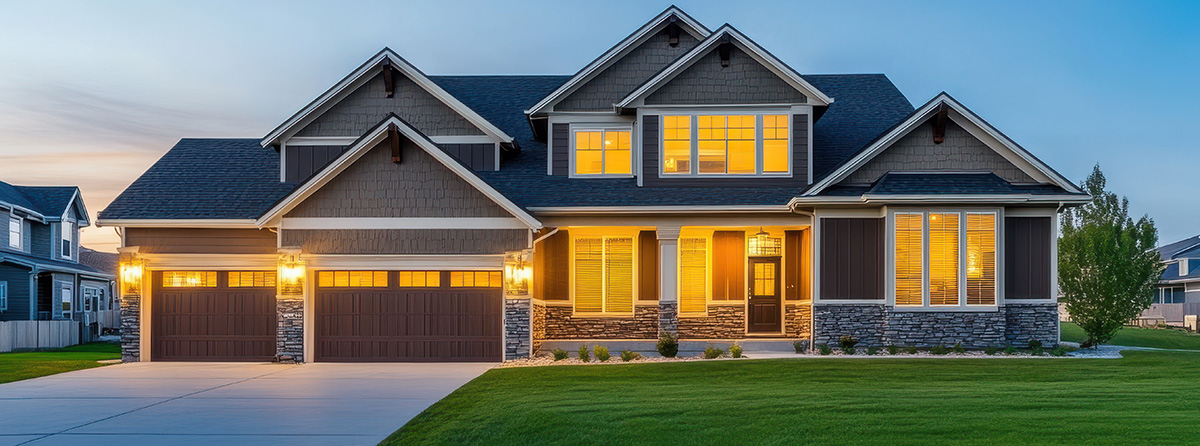
Get a free, no-obligation estimate from a crew that knows Colorado soil, Colorado weather, and how to finish concrete that lasts.
Accessibility
Adjust the site to fit how you read and browse. Your choices are saved on this device.