
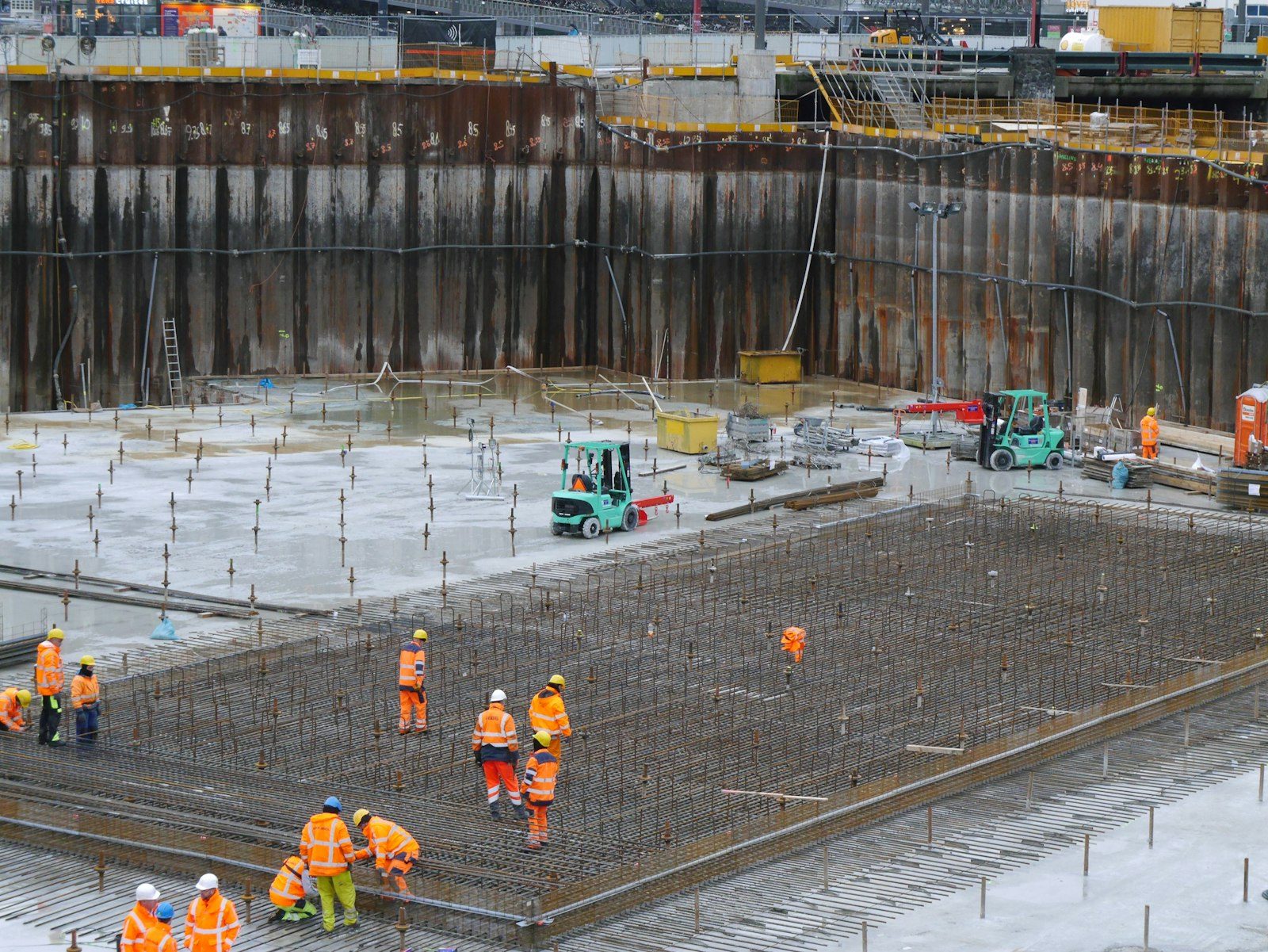
Tell us the age of the house and the shape of the lot, and we can guess most of what the holes will find.
Fort Collins didn't grow evenly, and the bearing work we get called for tracks that history almost perfectly. A brick house north of the campus with a wood porch and an alley garage brings one set of problems. A two story near Harmony with a big deck off the kitchen brings a completely different one. A new place in Rigden Farm brings a third, and it usually starts with a side gate that's an inch too narrow.
Nobody thinks about a footing until the thing sitting on it starts leaning. Then it's the only thing anybody wants to talk about. We drill and pour supports for decks, porches, additions, garages, pergolas, and outbuildings across this town, and we do it with an engineer on staff, because the right answer here depends on ground that changes from one block to the next.
Older houses around Old Town were built when a porch column often got whatever the crew had handy underneath it. Flat stones. A shallow pad barely into the dirt. Sometimes a post set straight in the ground, which lasted an impressive number of decades and then didn't. Those columns have been riding a hard freeze cycle every winter since, and the ones that dropped, dropped for the same reason: the support never reached ground that stops moving.
Subdivision homes around Harmony and Fossil Creek bring a different failure. The house is fine. The deck isn't. Builders backfilled deep against the foundation, somebody added a deck years later, and the posts landed in that loose fill. Out in newer areas like The Landing and Registry Ridge, the yards themselves are graded fill, and a post-and-block deck kit sitting on that finds the truth eventually.
| Kind of property | What we're usually supporting | What makes it slow |
|---|---|---|
| Older home with an alley garage | Porch columns, garage corners, additions on shallow original supports | Alley access, tight setbacks, and buried utilities nobody drew |
| Mid-century ranch near the core | Covered patio posts, carports, settled stoops | Mature trees whose roots own the top few feet of every hole |
| Nineties two story near Harmony | Deck posts, second story decks, hot tub platforms | Deep uncompacted backfill along the house that we have to drill through |
| Fossil Creek era home | Sunroom and covered patio additions | Matching the original footing depth so the addition and the house move together |
| New build in Rigden Farm or The Landing | Deck and pergola supports in yards made of graded fill | A side gate the equipment barely clears, and finished sod on both sides |
| Edge lot out toward Registry Ridge | Shops, pole barns, detached garages | Uplift on tall light structures with open ground and no heat inside |
People collapse those two into one number and it causes no end of confusion. Depth is about getting the bottom of the concrete below the ground that freezes, so ice forming in the soil can't grab the support and lift it. We set below frost and we confirm the required depth with the building department, because this is the northern end of the Front Range and the depth here is not the depth somebody's brother-in-law used in Denver.
Width is a separate calculation entirely: how much weight lands here, spread across how much bearing area, on soil with a given capacity. A skinny deep hole and a wide shallow pad solve different problems, and a pier on a light structure has a third job on top of both. Wind wants to pull a pergola or a carport up, not push it down, so the connection at the top and the mass at the bottom both have to resist lift.
We'll look at what's there, tell you honestly whether it needs work, and put depths in writing if it does. Free visit. (303) 569-4046.
Late spring through fall is the comfortable window, and fall is quietly the best of it. Ground is dry, the yard recovers before winter, and concrete cures without anybody babysitting the forecast. Spring is the fussy season. Snowmelt and a wet April make holes that cave and lawns that rut, so we sometimes wait two weeks for a site to drain rather than leave you with a torn up yard for the summer.
Winter drilling is still work we take on. Frost only claims the top of the profile, and the auger goes through it, though the first stretch of every hole comes out in frozen chunks and the day runs slower. We pour with heated water and cover the tops, and we don't place concrete against a frozen hole bottom. If a project has any flexibility, aim the digging at September and October and you'll get the smoothest version of this job.
Still unsure about something?
Call the crew at (303) 569-4046 and we will talk it through.
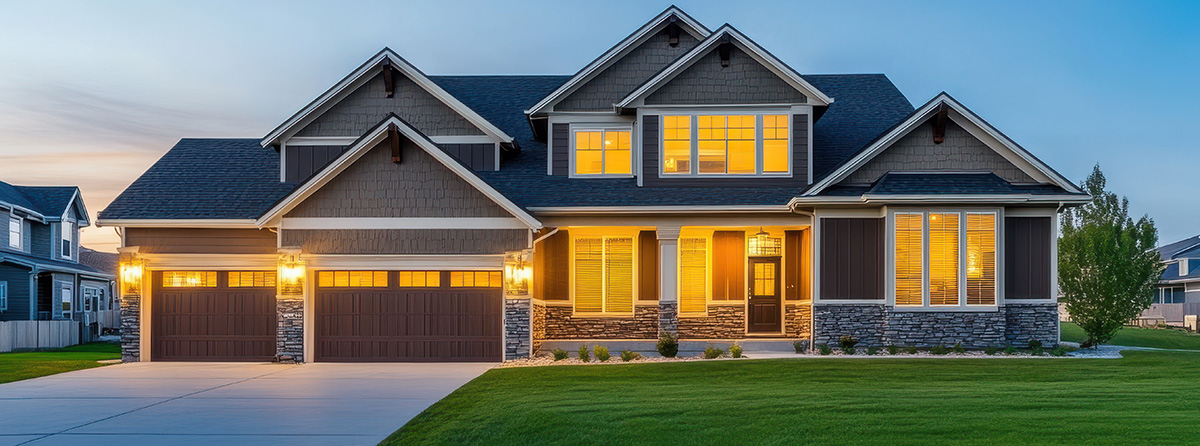
Get a free, no-obligation estimate from a crew that knows Colorado soil, Colorado weather, and how to finish concrete that lasts.
Accessibility
Adjust the site to fit how you read and browse. Your choices are saved on this device.