
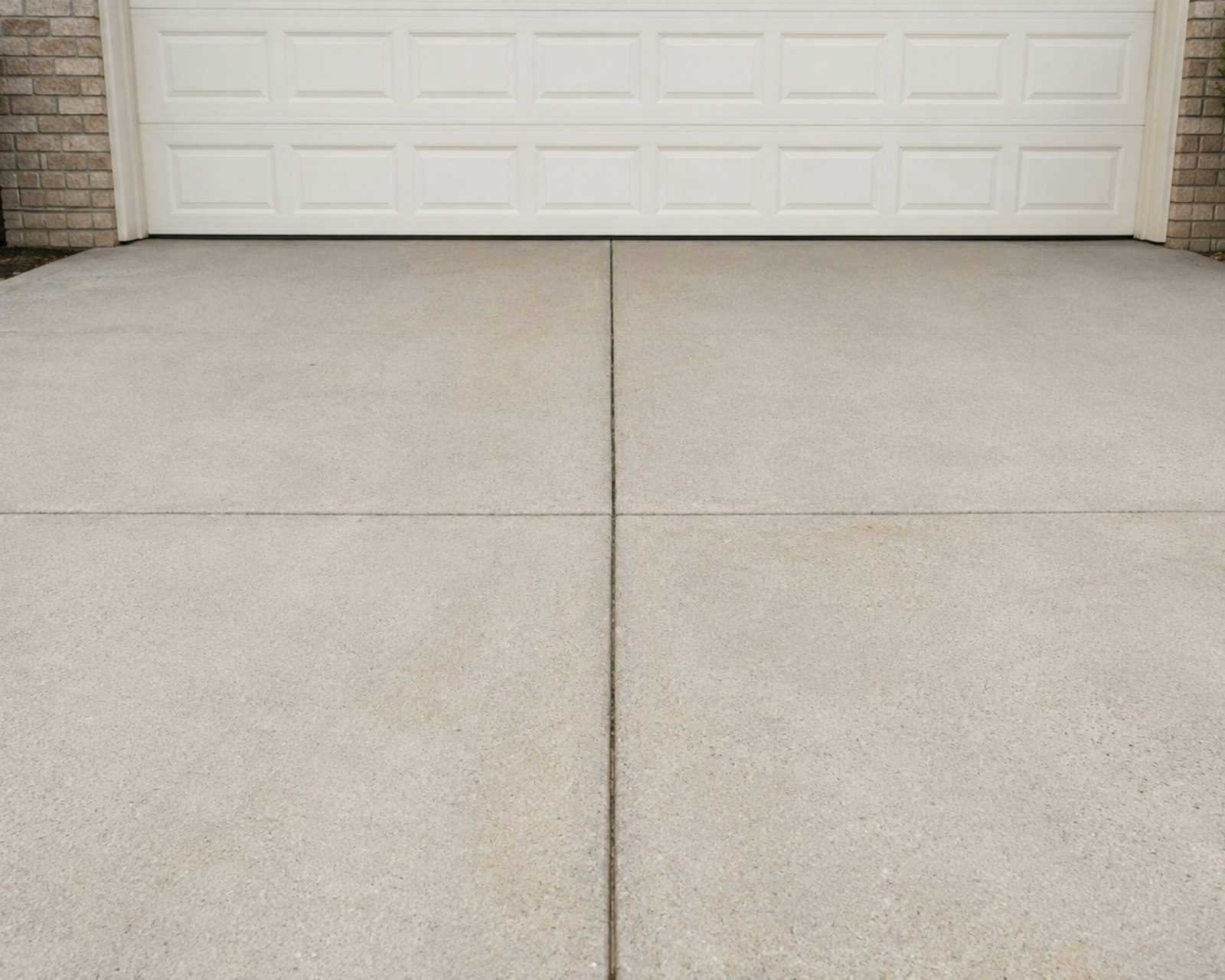
A community concrete program lives or dies on whether residents knew what was happening before the saws started.
Boards call us with a spreadsheet. Sixty panels flagged in the reserve study, a trip hazard list from the manager, and a budget cycle closing in six weeks. They want to talk about unit price. What decides whether the project goes smoothly is something else: how the work gets sequenced, and whether the resident on the third driveway of the day knows to move her car by seven.
We handle bulk concrete programs for communities across Denver, from townhome courts in the Highlands and Berkeley to larger associations out toward Central Park and University Hills. Walks, aprons, curb, mail cluster pads, and pool deck sections. The work itself is routine for our crews. The choreography is the part worth paying for.
We work a street at a time, not scattered panels across the property. That's deliberate. One street means one notice, one closed section, one day of disruption for a defined group of residents rather than a month of confusion for everybody.
By mid-morning the demo is out and the base is being worked. This is the step boards never see and the one that decides whether they're calling us again in eight years. Where a walk panel heaved, we find out why before we replace it: a root, a settled trench, water coming off a downspout onto the same spot every storm. Replacing the panel without fixing the cause is a nice-looking way to waste an assessment.
Afternoon is placement and finish, matching the existing broom direction and joint pattern so the new work reads as part of the walk instead of a patch. Joints get cut the same day, barricades go up, and yesterday's door hanger already told residents when they can walk it, when they can drive on it, and who to call.
| Timing | What goes out | What residents need to do |
|---|---|---|
| Two to three weeks ahead | Board or manager announcement with the phase map and rough dates | Read it, note which week their building falls in, flag access needs |
| One week ahead | Confirmed date for their specific street or building | Arrange alternate parking, reschedule deliveries and any contractor visits |
| The day before | Door hangers on every affected unit, plus signs at the entrances | Move vehicles off the aprons by the stated time, bring in trash containers |
| Morning of | Crew knocks on any unit with a car still in the way | Move it, or we work around them and come back later at added cost |
| Day of placement | Barricades, tape, and a cure card left at each door | Stay off it. Keep pets and kids off it. Call the number if something looks wrong. |
We'll walk the property with your manager, mark every panel, and hand the board a phased scope they can actually vote on. No charge.
Nothing gives away a cheap community program faster than mismatched concrete. New panels sit lighter than the aged ones around them, and that's unavoidable at first; they weather closer over a couple of seasons. Everything else we control. Same broom direction. Same joint spacing and tooling. Same edge radius. Panel lines following the original layout instead of splitting the difference.
Where a community has decorative or colored work, we sample first and get the board's sign-off on a physical piece, because color on a screen means nothing. And when a walk has been patched five times by five contractors, replacing a longer run is sometimes the right call. We'll say when that's worth it and when it's only appearance.
Most associations run these programs between May and October, and aim earlier in that window rather than later. Concrete placed in June has months to gain strength before the first freeze and the first round of ice melt. Work finished in late October goes into winter young, and that's the concrete most likely to scale.
Winter phases happen when a trip hazard can't wait. Heated mix water, accelerators, blankets, no frozen ground, and grinding or temporary patching for anything that has to be safe immediately. One thing every board should put in writing before winter: no deicer on new concrete the first season. Tell the snow contractor, tell the residents, stock sand instead.
Still unsure about something?
Call the crew at (303) 569-4046 and we will talk it through.
Get a free, no-obligation estimate from a crew that knows Colorado soil, Colorado weather, and how to finish concrete that lasts.
Accessibility
Adjust the site to fit how you read and browse. Your choices are saved on this device.