
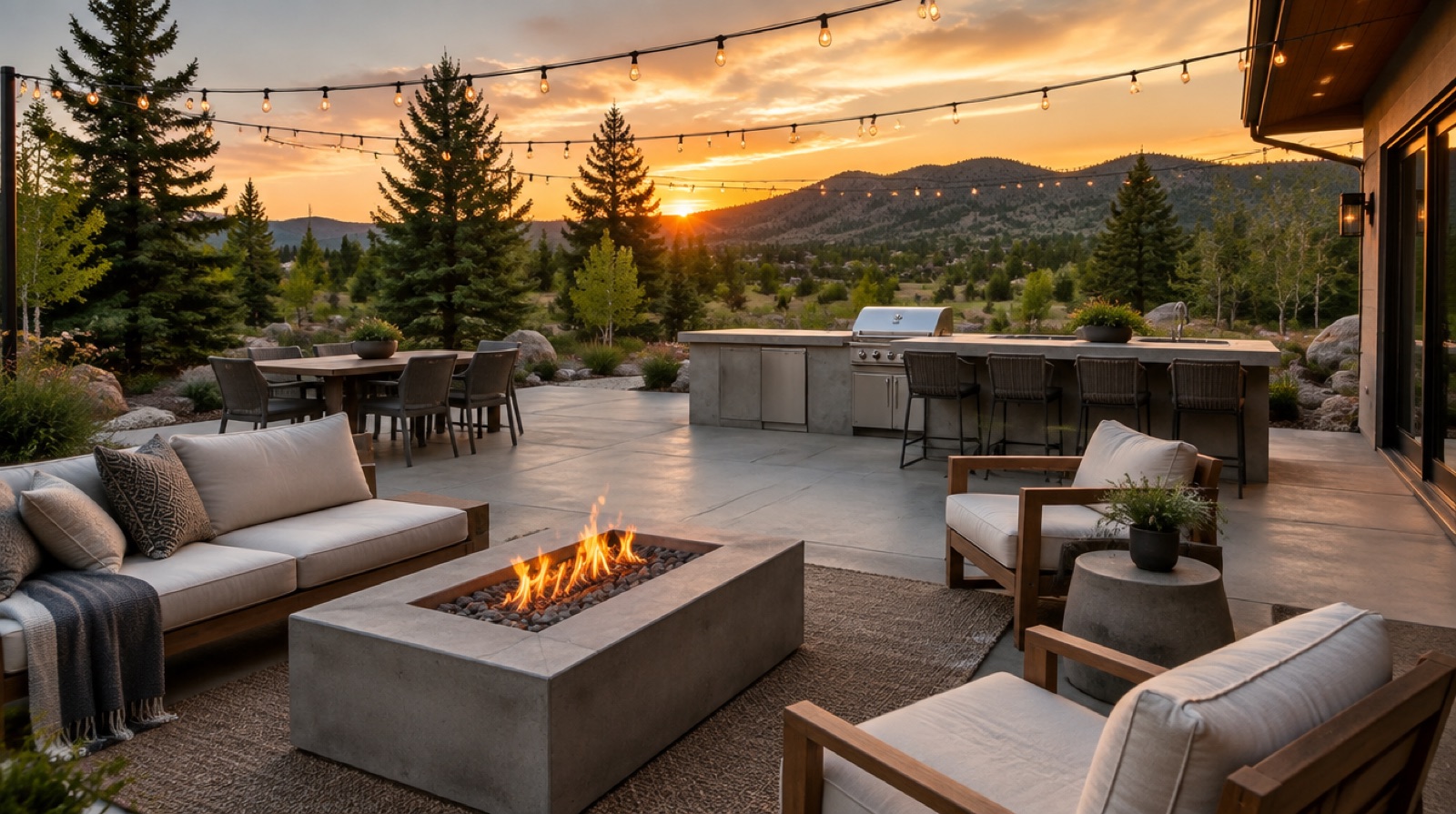
Solid, level bases for fire features and outdoor cooking.
An outdoor kitchen or a built-in fire feature is a permanent structure, and it is heavier than most people expect. A masonry grill island, a stone fire pit, or a wood-fired pizza oven can run into thousands of pounds once it is stocked, plumbed, and finished in stone. Set that kind of weight on a patio that was never meant to carry it, and the slab settles, the joints between island and counter open up, and tile or veneer starts cracking along the seams. The base under the build is what keeps all of that from happening.
On the Front Range, the ground under your yard moves. Expansive clay swells when it gets wet and shrinks when it dries, and the freeze-thaw cycle works on anything that is not poured and reinforced for it. A base that is right for Denver soil is compacted, drained, reinforced, and thick enough to spread the load so the whole structure rides as one piece instead of tilting at a corner. We pour that base to your design, with gas and electrical sleeves set before the concrete goes down so nobody is chasing a saw through finished work later.
Industrial loads and residential clay both show up here. We size each pour to what it carries and the ground it sits on. For fire pit & outdoor kitchen bases, that local knowledge is exactly what protects your investment. We plan the base, drainage, reinforcement, and finish around the conditions on your Commerce City property, not a generic detail.
We serve every part of Commerce City and the surrounding area, including Reunion, The Villages at Buffalo Run, River Run. Wherever you are in Adams County, the crew shows up with the same standard.
At roughly 5,160 feet, Commerce City gets intense high-altitude sun and a freeze and thaw cycle that is hard on any concrete poured without care. For outdoor kitchen bases, that means air-entrained mixes, deliberate curing, control joints cut on time, and a base prepared for the expansive clay under your property. It is the difference between work that holds for decades and work that starts failing by the first or second spring.
The base is not one-size-fits-all, because the loads are not. A simple gas grill island sits fine on a reinforced slab. A stone-clad pizza oven or a tall masonry fire feature concentrates a lot of weight on a small footprint, and that often calls for a thickened slab or a dedicated footing carrying the load down to firmer ground. We look at your actual design, the materials, and where the heavy pieces land, then size the pour to match. That means slab thickness, the reinforcement schedule, and where the footings go are all decided before a yard of concrete shows up. Get this right and the island, the counters, and the oven all settle together as one unit, which is the whole point.
This is the honest concern with fire features, so here it is straight. People worry the fire will crack the concrete underneath, and that worry is fair, because direct, repeated high heat on a bare slab can cause spalling and surface cracking over time. The fix is not magic, it is detailing. A fire pit or oven base is built so the burning happens inside the firebox and the masonry, not on the structural slab. We keep the load-bearing concrete protected with the right air gap, fire-rated materials, and clearances the unit's manufacturer calls for, so the pad does its job carrying weight and never sees flame directly. Done that way, the concrete base outlasts the seasons. We will tell you plainly if a design puts heat where it should not be, and how to detail around it.
The cheapest time to run a utility under a slab is before the slab exists. Once the concrete cures, every gas line, conduit, or water supply means cutting and patching, and a patched outdoor counter rarely looks the same again. So we plan the sleeves up front. You tell us where the burners, the side burner, the outlets, the lights, and the sink go, and we set the conduit and gas sleeves in the right spots before we pour. The licensed trades pull their lines through clean later. We coordinate with whoever is doing the gas and electrical so the rough-in lands where it needs to, and we pull and manage permits when the work requires them.
An outdoor kitchen rarely stands alone. Most sit at the edge of a patio, off the back door, where you actually cook and gather. So the base has to relate to what is already there. We tie the new pour into an existing patio with proper control joints so the two slabs can move without telegraphing a crack across both, and we set the grade so water runs away from the structure and the house, not toward the firebox or the cabinet bases. Drainage matters more here than people think, because standing water at the base of a masonry island is what feeds freeze damage and stains. We finish the surrounding flatwork to match, whether that is a broom finish for grip or something decorative to fit the rest of the space.
Every Commerce City job starts with a free, written estimate and a structural engineer on staff for the work that needs one. Licensed, bonded, and insured, with finishes from a clean broom texture to stamped, colored, and sealed.
You always know what is happening and what it costs before we mix a single yard. Here is the path from first call to final walkthrough.
We visit the site, measure, check drainage and soil, and hand you a clear written quote. No charge, no pressure.
We set the grade, thickness, reinforcement, and finish. Structural work gets engineered and permitted.
Forms, rebar, and a clean pour. We screed, float, and finish to the texture you picked, then cut control joints.
You can walk it in 24 to 48 hours. We walk the job with you and explain how to care for it through the first winter.
Still unsure about something?
Call the crew at (303) 569-4046 and we will talk it through.
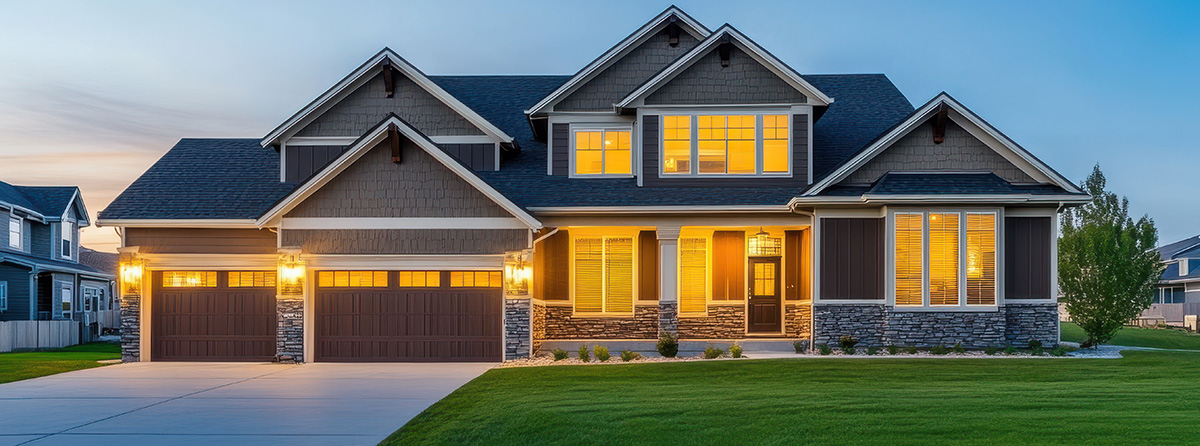
Get a free, no-obligation estimate from a crew that knows Colorado soil, Colorado weather, and how to finish concrete that lasts.
Accessibility
Adjust the site to fit how you read and browse. Your choices are saved on this device.