
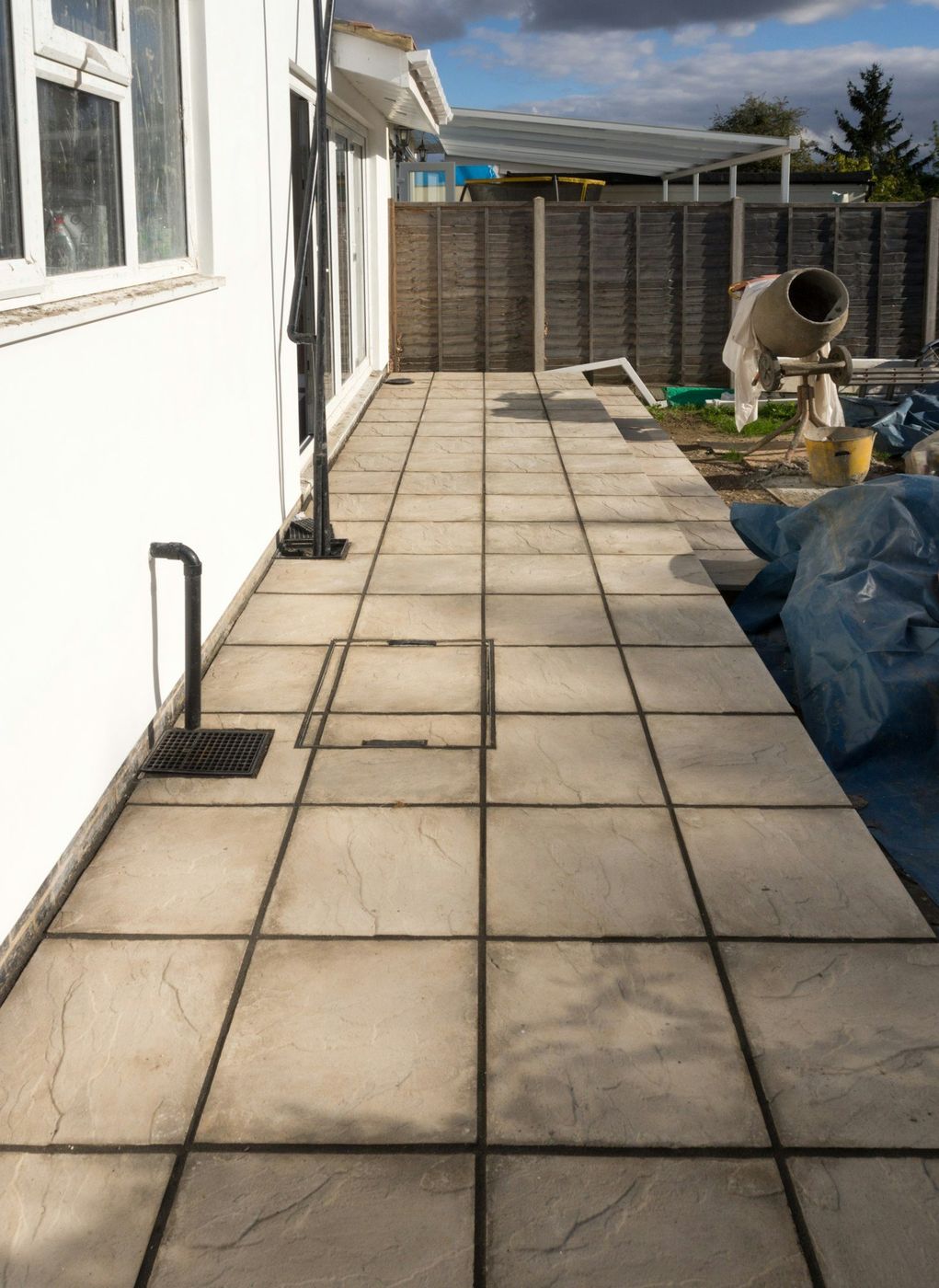
Backyard concrete sized for Colorado sun, twenty-minute storms, and everything in between.
Think about the second week of May in Centennial. The furnace finally shuts off, the grill cover comes off, and every backyard in Willow Creek and Piney Creek starts smelling like charcoal. That's the week our phone rings hardest for patios. And it's about six weeks later than the ideal time to have called, because a patio ordered in March is cured, sealed, and holding furniture by the time that first warm Friday shows up.
We design and pour backyard concrete all over Centennial, and our schedule book tells one simple story: the earlier you plan, the more of the good season you actually spend sitting on the thing instead of waiting for it. Here's how we think about building a patio that earns its spot in a Colorado yard.
Altitude changes the math on where a patio should go. The sun up here has less atmosphere to fight through, so a west-facing slab with no cover can be too hot to use from two until seven on a July afternoon. If your yard faces west, we'll talk about a pergola footing plan, a shade tree you'll thank yourself for planting, or shifting the pad toward the cooler side of the lot. East-facing yards get gentle mornings and shaded evenings; those can carry a bigger, more open layout.
Then there's the storm pattern. Front Range summer afternoons build clouds on a timer, dump rain or hail for twenty minutes, and clear off in time for dinner. A patio with the right pitch sheds that water and dries before dessert. One poured flat, or worse, tilted toward the house, holds puddles against your foundation, and on this clay that's a genuinely expensive habit to keep.
| Finish | Looks and feels like | Keep in mind |
|---|---|---|
| Broom finish | Clean, grippy, classic gray | Cheapest and most slip-resistant; it's the default for a reason |
| Exposed aggregate | River-stone texture with real depth | Hides dirt well; keep it sealed so the stones stay locked in |
| Stamped | Slate, flagstone, or wood-plank looks in concrete | Needs sealer every couple of years to hold color under our sun |
| Stained | Rich tone over a smooth or broomed surface | Cheap stains fade fast at this altitude; we use exterior-rated products and still put you on a sealer schedule |
Call (303) 569-4046 now and the concrete work is behind you before grilling season starts. Free design help and a written quote.
Drainage is where patio jobs in established Centennial neighborhoods get interesting. Yards in Homestead and Foxridge have had decades for grades to settle and drift, and plenty of them now slope subtly toward the foundation. Pour a patio on that grade as-is and you've built a rain collector pressed against your basement wall.
So before we form anything, we shoot grades with an instrument. If the yard needs it, we rework the pad area, set the slab a couple inches proud of the surrounding soil, and pitch it a quarter inch per foot away from the house. Downspouts that would discharge onto the new slab get extensions. None of this shows up in the after photos. All of it decides whether your patio is still flat and dry in fifteen years.
People ask why we fuss so much over an inch of fall across a patio. Because clay doesn't forgive. Send the water the wrong direction for a few springs and the yard will show you exactly where every gallon went.What the crew sees on site
Mid-April through October is patio season here, with one caveat: summer pours start at sunrise so the surface is finished before the afternoon build-up rolls over the foothills. If a cell catches us mid-finish anyway, plastic goes down fast, because rainwater worked into a soft surface shows up later as flaking and chalky dust. Fall pours are our favorite. Cool, stable, predictable, and the slab cures without anyone rushing it.
Winter? Doable on the right week. We'll pour a patio in December with warmed mix water and curing blankets as long as the ground isn't frozen, and off-season dates are far easier to book. But if you don't need it until summer anyway, the smart move is simple: plan in late winter, pour in April, enjoy it by Memorial Day.
Still unsure about something?
Call the crew at (303) 569-4046 and we will talk it through.
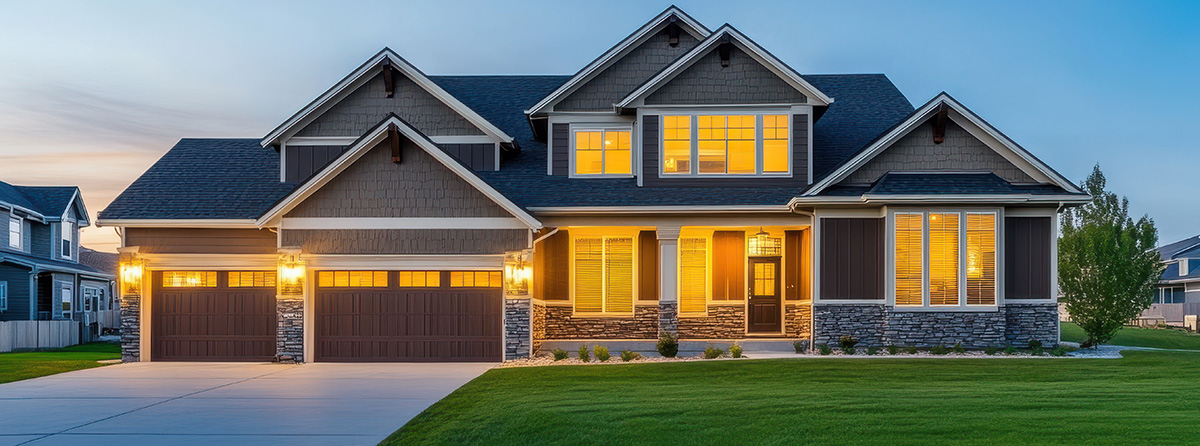
Get a free, no-obligation estimate from a crew that knows Colorado soil, Colorado weather, and how to finish concrete that lasts.
Accessibility
Adjust the site to fit how you read and browse. Your choices are saved on this device.